For those of us who love the flavors and textures of hearty vegetarian dishes, but still crave that protein punch, it can sometimes feel like a bit of a challenge to find a balance. Often, vegetarian recipes lean too heavily on carbs or cheese, leaving protein content a bit lacking. But don’t worry-I’ve got a recipe that’s a game-changer. Think smoky, satisfying, and rich with flavors, and, best of all, it packs a serious protein punch. It’s a dish I turn to when I want something fulfilling but not too heavy-perfect for a busy weeknight dinner, yet fancy enough to serve at a weekend gathering.
This high-protein vegetarian recipe is both filling and nutritious, and once you try it, you’ll probably find yourself making it over and over again. Plus, it’s simple enough to whip up in under 30 minutes-no fancy gadgets required, just a bit of good cooking instinct and a love for fresh, wholesome ingredients. Ready to dive in? Let’s get started.
High Protein Vegetarian Recipe: Smoky Chickpea & Quinoa Bowl
Here’s what’s in store: a smoky, spicy chickpea and quinoa bowl, topped with crunchy veggies and a rich tahini dressing. Quinoa, a complete protein, serves as the base, while chickpeas provide that satisfying bite. Add a little smoke and spice, and you’ve got a meal that’s healthy, balanced, and absolutely packed with protein.
Ingredients Needed
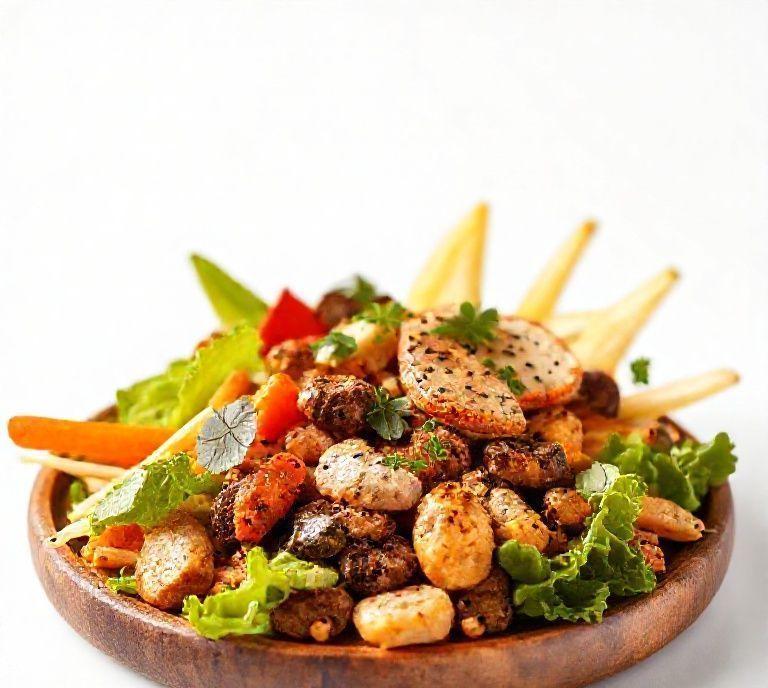
The beauty of this recipe lies in its simplicity. You don’t need a long shopping list, and most of these ingredients are pantry staples that you can keep on hand for whenever the craving strikes. Here’s what you’ll need:
- 1 cup quinoa (rinsed)
- 1 can (15 oz) of chickpeas, drained and rinsed
- 1 tablespoon olive oil (for roasting)
- 1 teaspoon smoked paprika
- 1/2 teaspoon ground cumin
- 1/4 teaspoon cayenne pepper (optional, for a bit of heat)
- Salt and pepper to taste
- 1 avocado, sliced
- 1/2 cup cherry tomatoes, halved
- 1/2 cucumber, thinly sliced
- 1 tablespoon lemon juice
- 2 tablespoons tahini
- 1 tablespoon water (to thin the dressing)
- Fresh cilantro or parsley, chopped (for garnish)
Cooking Instructions
This is where the magic happens. The simplicity of the steps makes it easy to get this meal on the table in no time, but the flavors are what make it really special. Here’s how to make it happen:
- Cook the Quinoa: Start by cooking the quinoa. In a medium saucepan, add 2 cups of water for every cup of quinoa. Bring it to a boil, then reduce the heat and simmer for about 15 minutes, or until the water is absorbed and the quinoa is tender. Fluff with a fork and set aside.
- Roast the Chickpeas: Preheat your oven to 400°F (200°C). On a baking sheet, toss the chickpeas with olive oil, smoked paprika, cumin, cayenne pepper, salt, and pepper. Spread them out evenly. Roast for 20-25 minutes, shaking the pan halfway through, until they’re crispy and golden.
- Prepare the Veggies: While the quinoa and chickpeas are cooking, prepare the fresh vegetables. Slice the avocado, halve the cherry tomatoes, and thinly slice the cucumber. Set aside.
- Make the Tahini Dressing: In a small bowl, whisk together the tahini, lemon juice, and water until smooth and creamy. Adjust the consistency with more water if necessary.
- Assemble the Bowl: Start with a generous scoop of quinoa as the base. Add the roasted chickpeas, fresh veggies, and avocado on top. Drizzle the tahini dressing over everything, and garnish with fresh cilantro or parsley.
Ingredient Science Spotlight
Let’s take a quick dive into the star ingredients that give this dish its protein-packed punch.
Quinoa: Often referred to as a "superfood," quinoa is actually a seed (not a grain) but is used in the same way as grains. It’s one of the few plant-based foods that is a complete protein, meaning it contains all nine essential amino acids that our bodies can’t produce on their own. This makes it an excellent option for vegetarians and vegans.
Chickpeas: Chickpeas are a legume packed with protein and fiber. One cup of chickpeas contains around 15 grams of protein, which is substantial for a plant-based food. They’re also rich in minerals like manganese and folate, which play important roles in bone health and metabolism. Plus, the fiber in chickpeas helps to promote healthy digestion and steady energy levels.
Tahini: Made from ground sesame seeds, tahini is not only a great source of healthy fats but also provides a decent amount of protein. It’s rich in both calcium and iron, making it a great addition to any vegetarian or vegan meal.
Expert Tips
- Rinse the Quinoa: Quinoa has a natural coating called saponin that can make it taste bitter if not rinsed properly. Be sure to rinse it thoroughly under cold water before cooking to remove that bitterness.
- Crispy Chickpeas: If you want your chickpeas extra crispy, don’t overcrowd the pan. The more space they have to breathe, the crispier they’ll get. Also, make sure they’re well-dried after rinsing before you toss them with oil and spices.
- Customize the Dressing: The tahini dressing is creamy and tangy, but you can add more lemon juice if you like it zesty, or a touch of maple syrup for sweetness. It’s really all about balancing the flavors to your personal taste.
- Add More Protein: If you want an extra boost of protein, try adding some roasted tofu, tempeh, or edamame to the bowl. You could also sprinkle some hemp seeds on top for an additional protein punch.
- Make It Ahead: This meal can easily be prepped ahead of time. You can cook the quinoa and roast the chickpeas the day before and store them in the fridge. Just assemble everything when you’re ready to eat.
Recipe Variations
One of the things I love about this recipe is how easy it is to make your own. Here are a few variations to keep things interesting:
- Swap the Base: Instead of quinoa, try using brown rice, couscous, or even farro for a different texture. Each grain has its own unique flavor and nutritional profile, so feel free to experiment.
- Add Greens: If you’re a leafy greens fan, throw in some spinach, kale, or arugula for an extra layer of nutrients. These greens would pair beautifully with the tahini dressing.
- Spice It Up: Love heat? Add a dash of hot sauce or red pepper flakes to the tahini dressing, or sprinkle some pickled jalapeños on top for an extra kick.
- More Veggies: You can never go wrong by adding more vegetables. Try roasted sweet potatoes, shredded carrots, or even sautéed mushrooms for extra depth of flavor.
Final Words
When I first tried this dish, I was honestly surprised at how satisfying and full of flavor it was. The combination of quinoa and chickpeas creates a perfect balance between light and hearty, while the creamy tahini dressing brings it all together with just the right amount of tang. It’s the kind of meal that makes you feel good inside and out, without leaving you feeling sluggish or overstuffed.
Whether you’re a vegetarian, flexitarian, or just someone who enjoys a good bowl of food, this recipe is sure to become a staple in your kitchen. It’s nourishing, packed with protein, and incredibly versatile.
FAQs
What Are Some High-protein Vegetarian Sources I Can Include In My Recipes?
Some of the best high-protein vegetarian sources include lentils, chickpeas, quinoa, tofu, tempeh, edamame, Greek yogurt, cottage cheese, and seitan. These ingredients can be incorporated into a variety of dishes such as salads, stews, curries, stir-fries, and wraps to boost protein intake.
How Can I Create A Balanced High-protein Vegetarian Meal?
To create a balanced high-protein vegetarian meal, it’s important to combine protein-rich foods with a variety of vegetables and whole grains. For example, pair lentils or quinoa with leafy greens, colorful vegetables, and healthy fats like avocado or olive oil. Also, consider adding a serving of dairy or plant-based alternatives to meet your daily protein needs.
Can High-protein Vegetarian Recipes Be Filling And Satisfying Without Meat?
Yes, high-protein vegetarian recipes can be both filling and satisfying. The key is to include a variety of protein-rich foods like beans, legumes, tofu, and whole grains, which not only provide protein but also fiber, helping you feel full longer. Additionally, incorporating healthy fats from nuts, seeds, and avocado can add richness and satiety to your meals.