Imagine a cold evening, the kind where a light chill fills the air and the warmth of your kitchen is a sanctuary from the outside world. You’re craving something both soothing and exciting, a dish that doesn’t just fill your stomach but also lifts your spirits. That’s the exact feeling that Tom Kha Gai, a Thai coconut soup, brings to the table. Traditionally made with chicken, this vegetarian version packs all the flavor punch and complexity, but with plant-based ingredients that are just as satisfying. It’s a bowl of comfort that’s as fragrant as it is nourishing, with that perfect balance of heat, sour, sweet, and creamy.
If you’ve ever had the pleasure of enjoying this iconic Thai dish at a local Thai restaurant, you know how addictive it can be. But it doesn’t have to be something you have to run out to grab; with a few simple ingredients, you can recreate this recipe in your own kitchen. I’ve been making this for years now, tweaking it to match my personal preferences. It’s easy, incredibly fragrant, and you can’t help but get lost in the layers of flavor that each bite brings. Let’s walk through this delicious vegetarian version that’s become a staple in my home.
Thai Coconut Soup Vegetarian Recipe
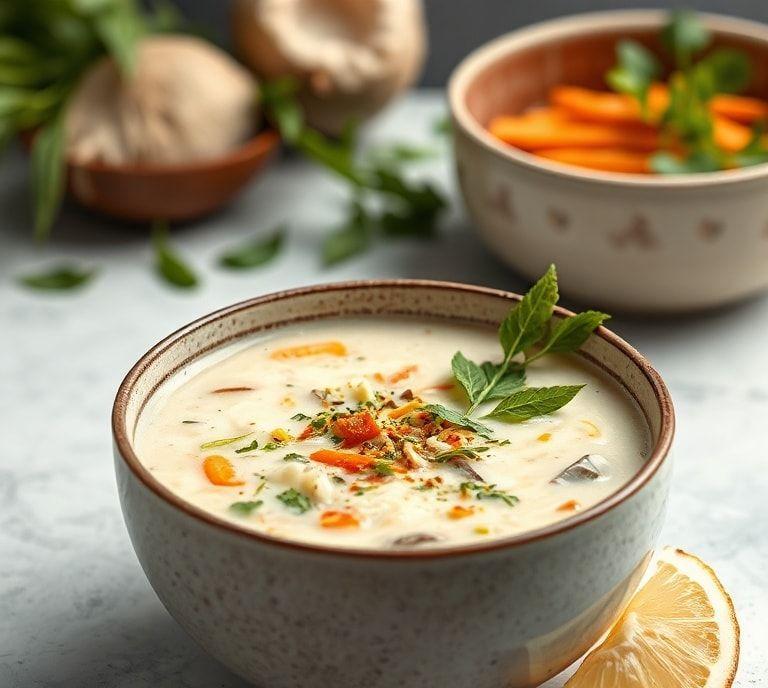
This vegetarian Thai coconut soup brings together the richness of coconut milk, the warmth of fresh ginger and lemongrass, and the tang of lime and cilantro, creating a harmonious soup that can be comforting and energizing all at once. Unlike a lot of soups, this one feels like a complete meal on its own, but it also pairs wonderfully with jasmine rice if you’re looking to add more substance. What makes it truly special is how you get the complexity of flavors without needing to spend hours in the kitchen.
Ingredients Needed
You don’t need a laundry list of ingredients for this soup. In fact, most of these are pantry staples for anyone who enjoys Thai cooking or just wants to expand their flavor repertoire.
- Coconut Milk (1 can, full-fat): The base of this soup, creating the creamy, smooth texture that makes it so comforting. Full-fat coconut milk is best because it gives you that richness. If you go for light coconut milk, you might miss out on that velvety mouthfeel.
- Vegetable Broth (3 cups): This provides the savory depth that balances the sweetness of the coconut milk. You could also use mushroom broth if you want to add an extra layer of umami.
- Lemongrass (1 stalk): Fresh lemongrass has a citrusy, almost herbal aroma that gives the soup its signature taste. It’s not as overpowering as lemon, more delicate but just as refreshing.
- Fresh Ginger (2-inch piece): The zing from fresh ginger brings both heat and warmth to the soup. It’s aromatic, and once it’s steeped in the coconut milk, it infuses the broth with a subtle, spiced kick.
- Shiitake Mushrooms (1 cup, sliced): These mushrooms have a meaty texture and a lovely, earthy flavor. They are the perfect substitute for the chicken in the traditional recipe.
- Tofu (1 block, firm): Tofu adds that soft, slightly chewy texture that pairs well with the broth. I prefer to press it first to remove excess water, then cut it into cubes. If you’re feeling adventurous, you can pan-fry the tofu to give it a crispy edge.
- Lime Leaves (2-3 leaves, torn): These add a fragrant, lime-like flavor that brightens up the soup. If you can’t find lime leaves, lime zest can be used as an alternative.
- Chili Peppers (2-3, sliced): For that spice. Adjust the number depending on how much heat you like. Thai bird’s eye chilies are commonly used in authentic versions of this soup, but regular red chili peppers work just as well.
- Soy Sauce or Tamari (2 tablespoons): This adds the savory, salty contrast that balances the sweet coconut milk. Tamari is a gluten-free alternative to soy sauce, and it tends to be richer in flavor.
- Fresh Cilantro (for garnish): Cilantro adds freshness and a burst of color, along with its bright, almost citrus-like flavor that lifts the soup and brings everything together.
- Lime Juice (from 1 lime): A squeeze of fresh lime juice at the end of cooking brings everything to life. It adds the perfect amount of acidity to cut through the richness of the coconut milk.
Cooking Instructions
Here’s where the magic happens. This soup doesn’t require much prep or complicated techniques, just patience and a good sense of balance as you layer in flavors. Let’s get started:
- Prepare Your Ingredients: Start by slicing your mushrooms, pressing and cubing your tofu, and tearing your lime leaves. If you’re using fresh lemongrass, give it a good whack with the back of a knife to release its oils, then cut it into 3-inch pieces.
- Make the Broth: In a large pot, combine the coconut milk and vegetable broth. Heat over medium until it begins to simmer. Add the lemongrass, ginger, lime leaves, soy sauce, and chili peppers. Let this simmer for about 15 minutes, allowing the flavors to meld.
- Add the Tofu and Mushrooms: Toss the cubed tofu and sliced mushrooms into the pot. Continue simmering for another 10 minutes until the mushrooms have softened and the tofu has absorbed some of the flavors.
- Season: Taste the soup and adjust seasoning if necessary. Add more soy sauce for saltiness or a little more chili for heat.
- Finish with Lime: Just before serving, squeeze in the fresh lime juice. This gives the soup that bright kick you’ll crave in every spoonful.
- Serve: Ladle the soup into bowls and garnish with fresh cilantro. If you like extra heat, add a few more chili slices on top.
Ingredient Science Spotlight
The star of this soup is undoubtedly the coconut milk, which not only provides a rich, creamy base but also offers a hefty dose of healthy fats. The fats in coconut milk (especially medium-chain triglycerides) are easily digestible and provide quick energy. They also work with the flavors of ginger and lemongrass to balance out the heat and tang.
Lemongrass has compounds called citronella and geraniol, both of which contribute to its citrusy, slightly floral aroma. These compounds also have anti-inflammatory properties, which make the soup not only delicious but potentially beneficial for digestion.
Then there’s the tofu. It’s a complete protein that’s low in fat and calories, making it a fantastic meat alternative. But tofu also absorbs the flavors it’s cooked with, so it becomes a vehicle for the fragrant broth, carrying all the essence of the lemongrass, ginger, and chili.
Expert Tips
- Use Fresh Ingredients: Whenever possible, opt for fresh lemongrass, ginger, and lime leaves. They create a much more vibrant, aromatic base for the soup compared to dried versions.
- Don’t Skimp on Simmer Time: Let the broth simmer for at least 15 minutes, as this will help infuse all the flavors into the coconut milk. It’s worth the wait.
- Adjust Heat to Your Preference: Thai food is known for its spiciness, but if you’re not a fan of heat, reduce the number of chili peppers or remove the seeds. You can also replace fresh chilies with a milder chili paste.
- Texture Is Key: If you want that ’meaty’ texture, pan-fry the tofu until golden brown. This adds a crispy edge that contrasts nicely with the soft mushrooms.
Recipe Variations
- Add Veggies: While this recipe uses mushrooms and tofu, feel free to add other vegetables like bell peppers, carrots, or bok choy for more color and nutrition.
- Noodles: Want to make it even heartier? Add a handful of rice noodles or soba noodles for a Thai-inspired noodle soup.
- Coconut-Curry Twist: If you like the idea of adding a bit of curry flavor, try adding a tablespoon of red curry paste to the broth. This will turn the soup into a coconut-curry hybrid that’s equally delicious.
Final Words
Making Thai coconut soup at home can be surprisingly simple. The joy of having a warm bowl of fragrant, creamy soup made with wholesome ingredients is something you can’t quite get from takeout. Plus, when you customize it to your own taste, it feels like you’re in complete control of the flavors. Whether you’re cooking for yourself or for loved ones, this soup is a crowd-pleaser that transports you straight to the vibrant streets of Thailand with every spoonful.
FAQs
What Are The Key Ingredients For A Vegetarian Thai Coconut Soup?
A vegetarian Thai coconut soup typically requires coconut milk as the base, along with vegetable broth, fresh or dried mushrooms, tofu or tempeh for protein, and an assortment of vegetables such as bell peppers, carrots, and baby corn. Essential aromatics include garlic, ginger, lemongrass, and shallots, while flavoring is enhanced with Thai red or green curry paste, lime juice, soy sauce or tamari, and fresh herbs like cilantro or Thai basil.
Can I Make This Soup Gluten-free And Vegan?
Yes, this soup can easily be adapted to be both gluten-free and vegan. Ensure that the curry paste you use does not contain shrimp paste or fish sauce, which are common in traditional recipes. Substitute soy sauce with tamari or coconut aminos for a gluten-free option. Use plant-based protein sources like tofu or tempeh, and rely on vegetable broth instead of chicken broth to maintain the vegan profile.
How Do I Balance The Flavors In Thai Coconut Soup?
Balancing flavors in Thai coconut soup involves combining the right amounts of sweet, salty, sour, and spicy elements. Coconut milk provides creaminess and sweetness, lime juice or tamarind adds acidity, soy sauce or salt gives saltiness, and chili paste or fresh chilies contribute heat. Taste the soup gradually as you add ingredients, adjusting each element until you achieve a harmonious balance that is characteristic of traditional Thai cuisine.