Tarts are one of those versatile dishes that feel like a little slice of culinary magic-both savory and sweet. They can be elegant enough for a dinner party yet simple enough to whip up for a cozy lunch at home. There’s something about a well-made tart that feels timeless, whether it’s the buttery, flaky crust or the way the filling can sing with a unique blend of flavors. In this case, we’re diving into the world of vegetarian tarts, where vegetables take the spotlight and transform into a mouthwatering creation.
I’ve always been drawn to the versatility of tarts. I remember the first time I tried making one-much to my surprise, the crust wasn’t as difficult as I expected, and the filling possibilities felt endless. It was a rainy Saturday afternoon, and I had a fridge full of veggies that were just begging to be used up. After some trial and error (okay, mostly error), I created a tart that became a staple in my kitchen. Now, it’s something I make whenever I’m in the mood for something flavorful, comforting, and just a little bit fancy. So let’s jump into the recipe for a vegetarian tart that’s sure to become your new go-to!
Vegetarian Tarts Recipe
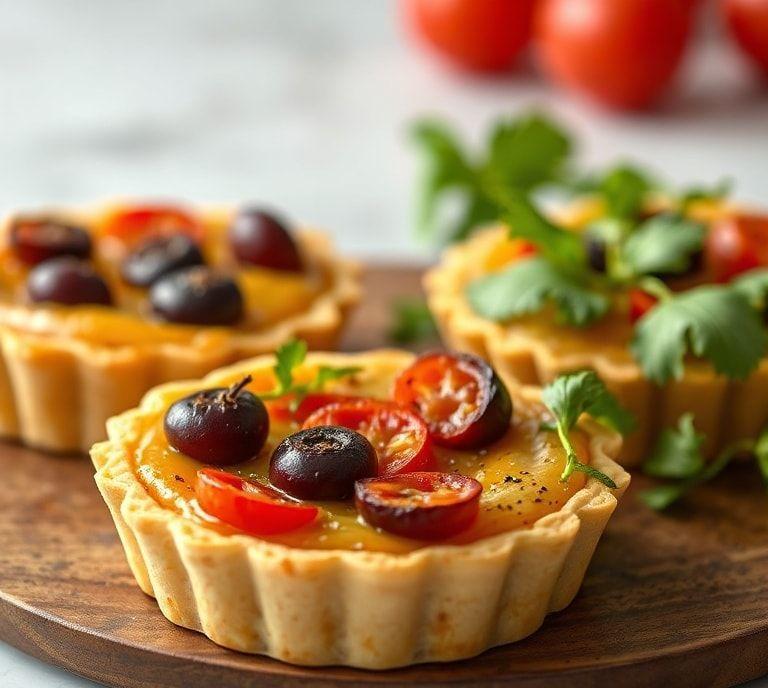
Making a vegetarian tart doesn’t have to be complicated. It’s all about balancing textures, flavors, and the beauty of fresh, seasonal produce. The recipe I’m sharing today combines caramelized onions, roasted veggies, and a tangy cheese filling. Think of it as a cozy veggie-filled masterpiece in a flaky shell.
Ingredients Needed
The beauty of a tart recipe is that you don’t need a ton of ingredients to make something incredible. Here’s a rundown of what you’ll need:
-
For The Crust
- 1 ¼ cups all-purpose flour
- ½ teaspoon salt
- ½ cup unsalted butter (cold and cubed)
- 3-4 tablespoons ice water
-
For The Filling
- 1 medium zucchini, sliced
- 1 bell pepper (red or yellow), diced
- 1 small onion, thinly sliced
- 2 tablespoons olive oil (for roasting)
- 1 tablespoon balsamic vinegar (to drizzle)
- ½ cup ricotta cheese
- ½ cup grated Parmesan cheese
- 2 eggs
- 1 teaspoon fresh thyme (or dried)
- Salt and pepper to taste
- Optional toppings: Fresh basil, extra grated Parmesan, or a drizzle of olive oil.
Cooking Instructions
-
Prepare the crust: Start by making the crust. In a large bowl, combine the flour and salt. Add in the cold, cubed butter, and use your fingers or a pastry cutter to blend it until the mixture resembles coarse crumbs. Gradually add ice water (a tablespoon at a time) and stir until the dough starts to come together. You might need to use your hands to finish mixing it. Don’t overwork the dough-this will help keep it flaky.
Once the dough is formed, wrap it in plastic wrap and chill in the fridge for about 30 minutes. This helps the butter solidify again, ensuring a tender crust when baked.
- Roast the veggies: Preheat your oven to 400°F (200°C). Toss the zucchini, bell pepper, and onion with olive oil, salt, and pepper, then spread them out on a baking sheet in a single layer. Roast for about 20-25 minutes, stirring halfway through, until they are tender and lightly caramelized. Once they’re done, drizzle with balsamic vinegar and set them aside.
- Prepare the filling: In a bowl, combine the ricotta cheese, Parmesan, eggs, thyme, salt, and pepper. Mix until smooth and well-combined.
- Assemble the tart: Roll out your dough on a floured surface into a circle large enough to fit into a tart pan (roughly 9 inches). Gently transfer the dough into the pan, trimming any excess from the edges. Blind-bake the crust for about 10 minutes (you can use parchment paper and pie weights if you have them, or just bake it directly).
- Add the filling: Once the crust is lightly golden, remove it from the oven and let it cool for a few minutes. Spread the ricotta mixture into the base of the tart shell. Then, top it with the roasted veggies, arranging them evenly. Bake the tart at 375°F (190°C) for an additional 20 minutes, or until the filling is set and lightly golden on top.
- Final touches: Let the tart cool for a few minutes before slicing. Add fresh basil or a sprinkle of extra Parmesan on top for that final touch of flavor. Serve warm or at room temperature.
Ingredient Science Spotlight
One of the things that excites me most about cooking is understanding why ingredients behave the way they do when combined. The crust, for example, relies on cold butter to create those flaky layers. The butter’s fat content coats the flour particles, preventing them from absorbing too much water. This results in a tender texture as it bakes.
As for the filling, ricotta cheese plays a crucial role. It’s light, creamy, and holds everything together without being too heavy. The eggs in the filling act as a binder, ensuring the tart holds its shape. Roasting the vegetables, on the other hand, enhances their natural sweetness while caramelizing their sugars. The balsamic vinegar drizzled on top before roasting adds a layer of acidity that balances out the richness of the cheese, giving the tart a deeper flavor profile.
Expert Tips
- Chill your dough: Don’t skip the step of chilling your dough. The colder the butter in your dough, the flakier the crust. This is a key element of a great tart!
- Use a tart pan with a removable bottom: This makes it so much easier to remove the tart once it’s baked, preserving the shape and making serving a breeze.
- Roast your veggies at high heat: Roasting at a high temperature (around 400°F) ensures the vegetables get caramelized and sweet. If you roast them at a lower temperature, they can become too soft and watery, which could affect the texture of your tart.
- Pre-bake your crust: Blind-baking (or par-baking) ensures the crust doesn’t get soggy from the filling. The crust should be golden before adding the filling, which creates a nice barrier between the wet filling and the dough.
- Don’t overcrowd the pan: When roasting your vegetables, make sure they’re spread out on the baking sheet. Crowding them can trap moisture and result in soggy veggies, which won’t be as flavorful or pleasant in the tart.
Recipe Variations
This recipe is a great base for experimenting with different vegetables and cheeses. Here are a few ideas to switch it up:
- Mushrooms & Goat Cheese: Swap the zucchini and bell pepper for mushrooms and top the tart with crumbled goat cheese. The earthy mushrooms and tangy goat cheese create a rich, savory flavor.
- Spinach & Feta: If you want something a little more Mediterranean, swap the ricotta for feta and add a handful of spinach. You could even toss in some olives or roasted garlic for extra depth.
- Butternut Squash & Sage: For a fall-inspired tart, use roasted butternut squash and fresh sage. The sweet, nutty squash pairs beautifully with the aromatic herb.
Final Words
Making a vegetarian tart is a truly rewarding experience. It’s a great way to enjoy fresh produce, create a dish that looks as impressive as it tastes, and indulge in the simple pleasures of good food. There’s a sense of artistry in assembling the ingredients, and even more joy in sharing it with friends and family. Whether you’re a beginner or an experienced cook, this tart recipe can become a canvas for your culinary creativity.
FAQs
What Are The Best Vegetables To Use In A Vegetarian Tart?
The best vegetables for a vegetarian tart are those that hold their shape and have a rich flavor. Common choices include tomatoes, spinach, mushrooms, zucchini, bell peppers, and onions. Root vegetables like sweet potatoes and beets can also work well when roasted beforehand. For added texture and taste, you can also include herbs like basil, thyme, and rosemary.
Can I Make The Crust For A Vegetarian Tart Ahead Of Time?
Yes, you can prepare the crust for a vegetarian tart ahead of time. The dough can be made and stored in the refrigerator for up to 2-3 days before baking. Alternatively, you can freeze the crust for longer storage. When ready to use, let it come to room temperature before rolling it out. Pre-baking the crust (blind baking) is also a good option to ensure it stays crisp when filled with wet vegetables.
How Can I Make A Vegetarian Tart Filling More Flavorful?
To enhance the flavor of your vegetarian tart filling, consider using a combination of fresh herbs, spices, and cheeses. Garlic, shallots, thyme, and rosemary can bring a savory depth, while cheeses like goat cheese, feta, or ricotta add creaminess. For a richer taste, you can incorporate a layer of pesto or a drizzle of balsamic reduction. Roasting vegetables before adding them to the tart will also concentrate their flavors.