When I first started dabbling in vegetarian cooking, I was on a mission to create dishes that would not only satisfy my hunger but also excite my taste buds in ways that made me forget I was even going the meatless route. One of the discoveries I made along the way was how incredibly versatile vegetarian dips can be. These aren’t just for gatherings or snacks; they’re vibrant, flavorful expressions of plant-based ingredients that can turn any meal into something special.
I remember my first foray into making a dip at home. It was a simple hummus recipe, but the moment I mixed in the tahini and the lemon juice, I was hooked. I realized how much joy could be packed into a humble bowl, just by playing with fresh, wholesome ingredients. Over time, I explored more than just hummus-creamy avocado dips, smoky roasted veggie blends, and even spicy salsas became regulars on my menu.
In this recipe guide, I’m going to share with you a killer vegetarian dip that I return to time and again. It’s perfect for any occasion: game nights, casual gatherings, or when you’re just in the mood for a cozy snack. It’s super customizable, meaning you can tailor it exactly to your preferences, and there’s a little science behind the ingredients, which makes it even more fun to experiment with.
Vegetarian Dips Recipe
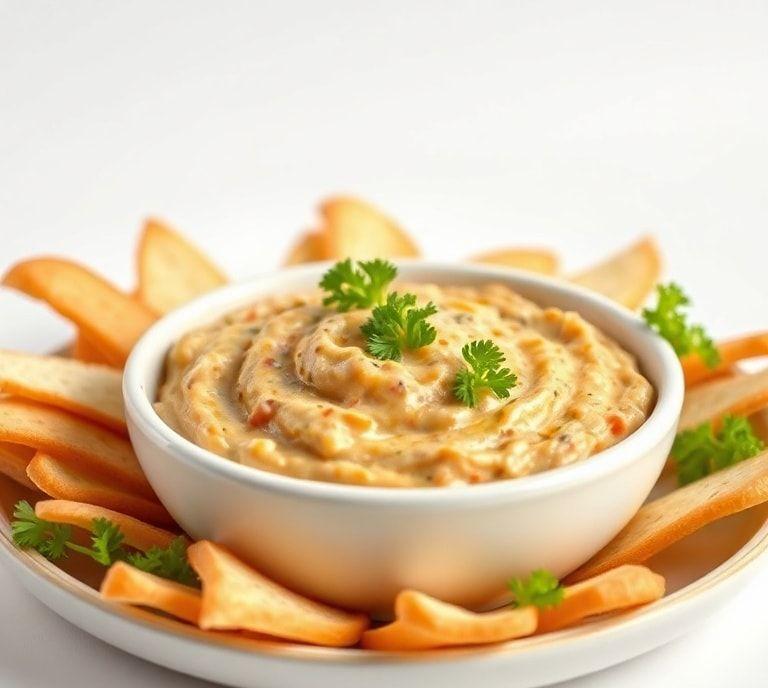
Let’s dive right into this recipe. It’s a fresh, creamy dip with a base of chickpeas and yogurt, but the magic happens when you toss in a handful of spices, fresh herbs, and a dash of lemon juice. The result? A vibrant, slightly tangy dip that pairs perfectly with veggies, pita, or tortilla chips. You could even slather it on your sandwiches for an added burst of flavor.
Ingredients Needed
- 1 can (15 oz) of chickpeas, drained and rinsed (or about 1 ½ cups cooked chickpeas)
- ½ cup plain Greek yogurt (for creaminess without the heaviness of mayo)
- 2 tablespoons tahini (a sesame paste that adds richness)
- 1 tablespoon extra virgin olive oil (for a silky texture and heart-healthy fats)
- 2 teaspoons lemon juice (freshly squeezed, for a bright tang)
- 2 cloves garlic, minced (adds a savory depth to the dip)
- 1 teaspoon ground cumin (gives it that earthy warmth)
- 1 teaspoon ground paprika (for color and smokiness)
- Salt and pepper, to taste
- 1 tablespoon fresh parsley, chopped (optional, but adds a nice fresh touch)
Cooking Instructions
- Prepare the Chickpeas: If you’re using canned chickpeas, drain them well and rinse under cold water. I find that rinsing really helps get rid of any canning liquid, which can sometimes give the dip a metallic taste. If you’re cooking your own chickpeas, make sure they’re tender and soft.
- Blend the Ingredients: In a food processor or high-speed blender, combine the chickpeas, Greek yogurt, tahini, olive oil, lemon juice, garlic, cumin, paprika, and a pinch of salt and pepper.
- Pulse and Blend: Start by pulsing a few times to break up the chickpeas, then blend on high until smooth and creamy. If you find it too thick, you can add a little more olive oil or a splash of water to reach your desired consistency.
- Taste and Adjust: Give the dip a taste and adjust the seasoning to your liking. You might want to add more salt, a little extra lemon juice, or a pinch more cumin to kick things up a notch.
- Serve and Garnish: Transfer the dip to a bowl, drizzle with a touch of olive oil, and sprinkle some fresh parsley on top for a pop of color and flavor.
- Enjoy!: Serve with sliced vegetables, pita, or your favorite crackers. You can even spoon it over roasted veggies or use it as a spread on wraps and sandwiches.
Ingredient Science Spotlight
Here’s where things get interesting-let’s break down the science of some of these ingredients and see why they work so well together.
- Chickpeas: These little legumes are the backbone of many vegetarian dips, and for good reason. They’re not just protein-packed but also high in fiber, making the dip feel rich and satisfying. Chickpeas also have a mild, slightly nutty flavor that acts as the perfect canvas for whatever seasonings or add-ins you choose.
- Greek Yogurt: Greek yogurt is often used in place of cream or sour cream in dips because it’s thicker and has that signature tang. It’s also packed with probiotics, which are great for gut health. The creaminess it adds makes the dip smooth and velvety without weighing it down.
- Tahini: Tahini is made from ground sesame seeds and adds a rich, almost buttery taste. It’s not just a flavor booster but a healthy fat that keeps the dip silky and helps the other flavors come together harmoniously. Plus, it’s a good source of calcium, magnesium, and iron-nutrients that are essential for bone and muscle health.
- Lemon Juice: The acidity of lemon juice brings brightness to the dip. Acidity balances the richness of the tahini and yogurt, preventing the dip from tasting too heavy or cloying.
- Garlic and Spices: Garlic, cumin, and paprika are the flavor warriors in this dip. Garlic has natural anti-inflammatory properties, while cumin adds a warm, earthy undertone. Paprika, whether you go sweet or smoked, contributes color and depth.
Expert Tips
- Use cold ingredients for a creamy texture: If you’re making a chilled dip, be sure that your yogurt and tahini are cool when you blend them in. This helps achieve a smoother consistency. A quick chill in the fridge before serving never hurt either!
- Roast the garlic for a mellow flavor: If you want a gentler garlic flavor, try roasting the garlic beforehand. The sweetness that develops during roasting adds a nice layer to the dip.
- Try different beans: If you’re not into chickpeas, you can swap them out for other beans like cannellini, white beans, or even black beans. Each will give the dip its own unique twist.
- Add a dash of heat: If you’re a fan of spice, feel free to throw in some cayenne pepper or a diced jalapeño. A little heat goes a long way and makes for an exciting dip.
Recipe Variations
- Roasted Red Pepper Version: Add one roasted red pepper to the mix for a smoky-sweet twist. Blend it right in with the chickpeas, and you’ll have a rich, colorful dip with a deeper flavor profile.
- Herb-Lover’s Dream: For an herb-packed version, swap the parsley for fresh basil, cilantro, or even mint. Each herb will bring a different feel-cilantro for something more fresh and zesty, mint for a cool, refreshing vibe.
- Avocado Upgrade: I love adding avocado for a creamy, buttery texture. Simply mash one ripe avocado and fold it into the dip after blending, and you’ll have an extra layer of smoothness.
- Pine Nut & Lemon Zest Topping: Toasted pine nuts and a little grated lemon zest sprinkled on top can elevate the dip, adding texture and brightness.
Final Words
I’ve made this dip more times than I can count, and it never gets old. The best part is how adaptable it is. It’s the kind of recipe you can easily customize based on what’s in season or what you’re in the mood for. And that’s the beauty of vegetarian cooking: it’s all about playing with natural flavors and ingredients, making small tweaks until you find your perfect combination.
FAQs
What Are Some Easy Vegetarian Dips I Can Make At Home?
There are several simple vegetarian dips you can prepare quickly using common ingredients. Popular options include hummus, made from blended chickpeas, tahini, lemon juice, and garlic; guacamole, which combines mashed avocados, lime juice, diced tomatoes, and onions; and spinach-artichoke dip, which blends cooked spinach, artichoke hearts, cream cheese, and garlic. These dips require minimal preparation and can be served with vegetables, crackers, or bread.
How Can I Make Vegetarian Dips Healthier?
To make vegetarian dips healthier, focus on reducing added fats and salt while incorporating nutrient-rich ingredients. Use plain Greek yogurt or low-fat cream cheese instead of full-fat versions, add fresh herbs and spices instead of relying on heavy seasoning, and include vegetables like roasted red peppers or carrots to increase fiber and vitamins. Serving with fresh vegetables or whole-grain crackers rather than fried chips further enhances the nutritional value.
Can Vegetarian Dips Be Stored For Later Use?
Yes, most vegetarian dips can be stored safely for several days. Store dips like hummus, guacamole, or bean-based dips in airtight containers in the refrigerator. Hummus typically lasts up to a week, while guacamole is best consumed within 1-2 days due to avocado oxidation. To extend shelf life, consider adding a thin layer of olive oil on top of hummus or storing guacamole with a piece of plastic wrap directly on the surface to minimize air exposure.