Sometimes, you want a cake that feels cozy-something that reminds you of home, but with a little twist. That’s what led me to create this vegetarian banana cake. It’s not just any cake. The kind that gives you that instant ’I’m home’ feeling when you walk into the kitchen and smell it baking. It’s rich, moist, and comforting in a way that few desserts manage to be. Plus, it’s a great way to use up those bananas that have gone a bit too ripe on the counter, making it a win for both flavor and zero-waste kitchens. So, let’s dive into this banana cake recipe that’s packed with flavor and care, but with a vegetarian spin.
Vegetarian Banana Cake Recipe
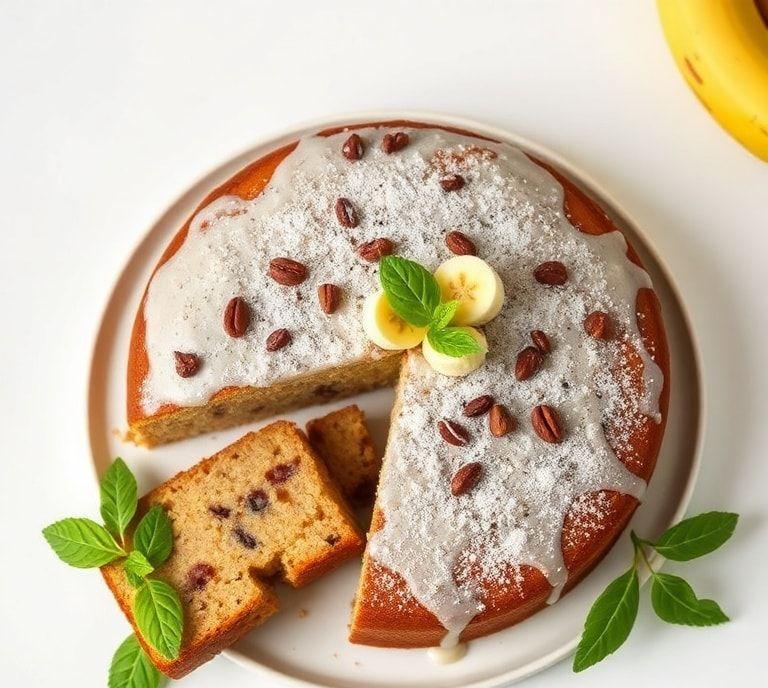
There’s something magical about how ripe bananas can transform into such a soft, sweet cake. This recipe does that effortlessly, with a twist of natural sweetness, no eggs or dairy involved. You can always tweak the recipe to your liking, but here’s the base that gets me every time.
Ingredients Needed
Here’s a list of what you’ll need:
- Bananas (3 ripe ones) – The more spotty, the better!
- Flour (1 ½ cups all-purpose flour) – I’ve always gone with plain flour for this recipe. It keeps the cake’s texture perfect.
- Sugar (1 cup) – You can use white or brown sugar, but I lean towards brown for that deeper flavor.
- Vegetable Oil (½ cup) – This keeps the cake moist without the heaviness of butter.
- Baking Soda (1 teaspoon) – For that perfect rise and soft crumb.
- Vanilla Extract (1 teaspoon) – This elevates the sweetness of the bananas.
- Cinnamon (1 teaspoon) – A subtle hint of spice to balance the sweetness.
- Salt (1/4 teaspoon) – A small but essential addition to bring everything together.
- Lemon Juice (1 tablespoon) – This adds a little zing and brightens up the flavor.
- Non-dairy Milk (½ cup) – I usually go for almond or oat milk, depending on what I have in the fridge. Both work wonderfully here.
Cooking Instructions
- Prep the Oven and Pan: Preheat your oven to 350°F (175°C). You’ll want a round cake pan, about 8 or 9 inches. Grease it with a bit of oil or line it with parchment paper so your cake doesn’t stick.
- Mash the Bananas: Take your ripe bananas (the browner, the better) and mash them up in a bowl. Use a fork to get them into a smooth consistency-some lumps are fine, but you want to break them down so they blend well in the cake.
- Mix the Wet Ingredients: In a large bowl, combine the mashed bananas, vegetable oil, vanilla extract, lemon juice, and sugar. Mix them until everything is well-combined. The bananas should look fully incorporated with the oil and sugar, and the mixture should have a slight sheen to it.
- Add the Dry Ingredients: In another bowl, whisk together the flour, baking soda, cinnamon, and salt. Slowly fold the dry ingredients into the wet ingredients until just combined. Don’t overmix; you want the batter to stay light.
- Pour and Bake: Pour the batter into the prepared cake pan, smoothing the top with a spatula. Pop the pan into the oven and bake for about 30 to 40 minutes. The cake is ready when a toothpick comes out clean, or with just a few moist crumbs.
- Cool and Serve: Let the cake cool in the pan for about 10 minutes before transferring it to a wire rack. It can be served warm, but it’s just as delicious once it has cooled down completely.
Ingredient Science Spotlight
One of the reasons this cake feels so much more comforting than your typical sweet treat is the interplay of ingredients. Let’s break down the stars:
- Bananas: As they ripen, bananas develop a natural sweetness due to the breakdown of starches into simple sugars. This means you need less added sugar in your cake, and you get a more complex, natural flavor. Bananas also add a bit of moisture, which is key for achieving that soft, fluffy texture without any eggs or dairy.
- Baking Soda: The leavening agent that gives your cake its airy texture. When combined with the acid from the lemon juice or the bananas, baking soda helps the cake rise beautifully, creating a light and tender crumb.
- Vegetable Oil: This ingredient is crucial for a moist cake. Oil doesn’t harden like butter does when it cools, meaning it helps the cake stay soft and moist even after it’s been out of the oven for a while.
- Non-dairy Milk: You could substitute this with dairy milk if you’re not going for a fully vegetarian version, but the almond or oat milk here keeps the cake light and adds a subtle creaminess without overpowering the flavor.
Expert Tips
- Banana Ripeness: Don’t use just any bananas. The best ones are speckled and even a little overripe. These bananas will have more sugar and flavor, making your cake extra sweet and rich.
- Don’t Overmix: This is key! When you combine the wet and dry ingredients, fold them in gently. Overmixing can make the cake dense and tough. You want it light and airy.
- Let it Cool: I know, the temptation to dive in as soon as it’s out of the oven is strong. But if you let it cool for a bit, the flavors really settle in, and the texture firms up, making for a much more satisfying cake.
- Boost the Flavor: Add a handful of chopped walnuts or chocolate chips for a fun texture contrast. Or, if you’re feeling adventurous, a little dash of nutmeg can add a warm, cozy depth.
Recipe Variations
- Banana-Chocolate Chip: If you can’t resist the classic combo, fold in a cup of vegan chocolate chips after mixing the wet and dry ingredients. The melty bits of chocolate create pockets of gooey goodness.
- Banana Walnut: For a bit of crunch and nuttiness, toss in some chopped walnuts. I recommend toasting them lightly beforehand to enhance their flavor.
- Spiced Banana Cake: If cinnamon’s not enough for you, try adding a pinch of cardamom or nutmeg. These spices pair wonderfully with bananas and give the cake an exotic twist.
- Frosted Banana Cake: For an indulgent dessert, frost the cooled cake with a dairy-free cream cheese frosting. It’s a rich, tangy complement to the sweet bananas.
Final Words
This banana cake is the kind of recipe you come back to again and again. It’s simple yet packed with flavor. Whether you’re baking it for yourself or sharing it with loved ones, there’s something special about a homemade cake that hits all the right notes-moist, fragrant, and just sweet enough.
You don’t need fancy equipment or tricky techniques. Just ripe bananas, a few pantry staples, and a little time. In the end, the love you put into making it is what makes this cake unforgettable.
FAQs
Can I Make A Vegan Banana Cake Using This Vegetarian Recipe?
Yes, you can easily make a vegan version of a vegetarian banana cake. Simply replace eggs with flaxseed meal or chia seeds mixed with water to act as a binding agent. Use a plant-based milk, such as almond or soy milk, and ensure that the butter is replaced with a non-dairy alternative like coconut oil or vegan butter.
What Type Of Flour Is Best For A Vegetarian Banana Cake?
The most common flour used in a vegetarian banana cake recipe is all-purpose flour, as it provides a light and fluffy texture. However, you can also experiment with whole wheat flour for a denser, more rustic cake. For a gluten-free version, you can use a gluten-free flour blend, but it may affect the cake’s texture and rise.
Can I Substitute Sugar In The Banana Cake Recipe For A Healthier Alternative?
Yes, you can substitute sugar with alternatives like maple syrup, honey, or coconut sugar. These substitutions can provide a more natural sweetness, though they may affect the cake’s texture and moisture content. You can also use a sugar substitute like stevia or erythritol for a low-calorie option, though it’s important to adjust the measurements based on the specific sweetener used.