There’s something comforting about a bowl of chili, especially when the weather starts to cool and the air carries a crisp chill. Chili can feel like a warm hug from the inside out. But here’s the twist: you don’t always have to go the meaty route to achieve that rich, hearty flavor. I’ve found that white bean chili, particularly when it’s vegetarian, offers a surprisingly delicious and satisfying alternative. It’s packed with flavor, but also lighter and fresher, which makes it perfect for those days when you want to feel cozy without feeling weighed down.
This recipe for Vegetarian White Bean Chili is one of my absolute favorites. It’s easy to make, full of nutritious ingredients, and really allows the beans to shine in a way you don’t often see in traditional chili recipes. The creamy, slightly spicy broth, the variety of textures from the beans, and the depth of flavor from the seasonings all come together in perfect harmony. Plus, it’s one of those dishes that only gets better with time, so you can make a big batch and enjoy it throughout the week.
If you’ve never tried a vegetarian chili before, or if you’re just looking to mix things up from the usual meat-heavy versions, this recipe is a great place to start.
Vegetarian White Bean Chili Recipe
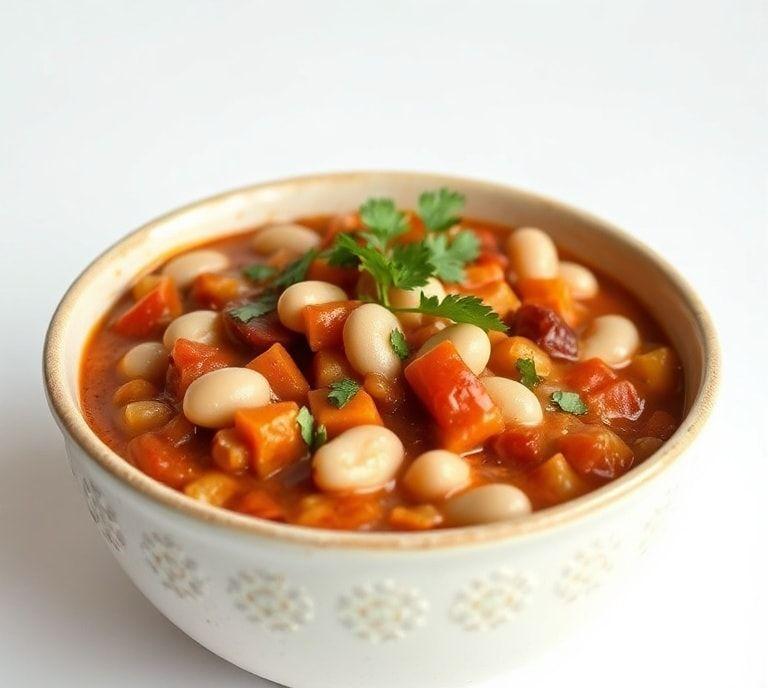
Making this white bean chili is more than just tossing ingredients into a pot-it’s about layering flavors and enjoying the process. Here’s how I approach it:
Ingredients Needed
Before you dive into cooking, let’s take a look at what you’ll need. This recipe is pretty flexible, but there are a few key ingredients that form the backbone of this chili:
- Olive oil – for sautéing your aromatics
- Onion – the base flavor of almost any great chili
- Garlic – because garlic is life, and it’s an essential in building depth
- Green bell pepper – adds a slight sweetness and crunch
- Canned white beans (like Great Northern or Cannellini) – these are the stars of the show, creamy and hearty
- Vegetable broth – the foundation for your chili’s broth
- Diced tomatoes – a bit of acidity to balance the richness
- Spices – cumin, chili powder, paprika, and cayenne (I always love to play around with the amounts based on how much heat I’m feeling that day)
- Lime – fresh lime juice adds a wonderful zing and brightness to the dish
- Fresh cilantro – for garnish, because everything is better with cilantro (even if it’s just a sprinkle)
- Sour cream or Greek yogurt – optional, but a dollop of either adds a creamy contrast that rounds out the flavors.
You’ll also need salt, pepper, and maybe a dash of hot sauce if you like things extra spicy!
Cooking Instructions
Now for the fun part: cooking it all up!
-
Sauté The Aromatics
Heat about a tablespoon of olive oil in a large pot over medium heat. Add the chopped onion and bell pepper. Stir occasionally and cook until they begin to soften, about 5 minutes. Then toss in the minced garlic and cook for another minute. The garlic will become fragrant, which is always a good sign.
-
Build The Base
Next, sprinkle in your spices: chili powder, cumin, paprika, and a pinch of cayenne if you’re feeling bold. Stir everything together for a minute, just to let the spices bloom. Trust me, this step really makes the flavor pop.
-
Add The Beans And Tomatoes
Pour in the canned beans (drained and rinsed) and the diced tomatoes, along with their juices. Stir everything together, making sure the beans get nicely coated with the spices.
-
Pour In The Broth
Add the vegetable broth and bring the mixture to a simmer. Let it cook for about 20 minutes, stirring occasionally. The beans should be tender, and the flavors should have time to meld together. If you like a thicker chili, you can mash some of the beans with the back of a spoon to give it a creamier texture.
-
Final Touches
Once your chili has thickened up nicely, stir in a good squeeze of fresh lime juice. Taste for seasoning-this is the part where you can adjust things. Maybe a little more salt or a dash of cayenne if you want to up the heat.
-
Serve
Ladle the chili into bowls and top with fresh cilantro and a spoonful of sour cream or Greek yogurt, if desired. You can also serve it with cornbread on the side for a perfect cozy meal.
Ingredient Science Spotlight
Let’s talk about the ingredients that really give this chili its signature taste and texture. The white beans, for one, are key. They’re not just a filling substitute for meat, they have a creamy texture that works beautifully in a chili. Beans like Cannellini or Great Northern are starchier than other varieties, which helps them break down slightly in the broth, giving you that nice, thick, comforting texture. They also absorb the flavors of the spices, making each bite incredibly flavorful.
The spices are where the magic happens. Cumin, paprika, and chili powder form the aromatic backbone of this chili, creating that warm, smoky, slightly earthy profile that we all know and love in chili. The lime juice is what brightens the whole dish, cutting through the richness and giving everything a zesty edge. It’s one of those small touches that you wouldn’t think would make such a difference, but it truly does.
Expert Tips
- Double it up – If you have the time, make a double batch. Chili always tastes better the next day, and having leftovers means lunch or dinner is taken care of for a few days. It freezes beautifully, too.
- Spice it up – The beauty of this chili is that you can adjust the heat to your liking. I love to add a few dashes of hot sauce or a finely chopped jalapeño for extra heat. If you like it mild, feel free to skip the cayenne and reduce the chili powder.
- Texture matters – If you prefer a chunkier chili, don’t mash the beans. But if you want a creamier, thicker chili, give the beans a little mash with your spoon before simmering.
- Play with toppings – Don’t limit yourself to just cilantro and sour cream. Crumbled tortilla chips, shredded cheese, or even diced avocado can take this chili to the next level.
Recipe Variations
While I’m a huge fan of this vegetarian version, there are a ton of ways you can mix it up depending on your dietary preferences or what you have on hand:
- Add a Protein: If you’re craving something heartier, you could add some cooked chicken, turkey, or even a plant-based protein like tempeh or tofu. Brown the protein before adding it to the pot for added flavor.
- Roast the Veggies: To bring out a deeper, smokier flavor, try roasting your bell peppers and onions before adding them to the chili.
- Use Different Beans: White beans are classic, but you can play around with other beans like navy beans, chickpeas, or even pinto beans.
- Add Sweet Potatoes: For a slightly sweeter chili, throw in some diced sweet potatoes. They’ll add a pleasant contrast to the spicy and savory flavors.
Final Words
What I love most about this chili is how forgiving it is. You don’t have to follow the recipe to a T. If you’re out of one ingredient, substitute something else. The key is to get that balance of richness, spice, and freshness. This chili works for so many different occasions, whether it’s a cozy dinner for yourself, a weeknight meal for the family, or a dish to bring to a potluck.
FAQs
What Are The Main Ingredients For A Vegetarian White Bean Chili?
The main ingredients for a vegetarian white bean chili include white beans (such as cannellini or great northern beans), vegetable broth, onions, garlic, bell peppers, diced tomatoes, green chilies, and a variety of seasonings such as cumin, chili powder, oregano, and salt. For added flavor, you can include corn, zucchini, or spinach, and serve with toppings like sour cream, shredded cheese, or cilantro.
Can I Make Vegetarian White Bean Chili Ahead Of Time?
Yes, vegetarian white bean chili can be made ahead of time. In fact, the flavors often improve after resting for a few hours or overnight. Store it in an airtight container in the refrigerator for up to 3-4 days, or freeze it for up to 3 months. When reheating, you may need to add a bit of extra broth or water if the chili has thickened too much.
How Can I Make My Vegetarian White Bean Chili Spicier?
To add more spice to your vegetarian white bean chili, consider increasing the amount of chili powder, cumin, or cayenne pepper in the recipe. You can also add fresh or pickled jalapeños, or use a spicier variety of green chilies. For an extra kick, try adding a dash of hot sauce or a few dashes of chili flakes, depending on your heat preference.