When I think about food that brings comfort, homemade pizza is right up there. There’s something magical about the process-transforming a few simple ingredients into something so warm, satisfying, and personal. Homemade vegetarian pizza, in particular, stands out because it offers such a beautiful canvas for creativity, and it doesn’t have to be confined to just the classic toppings. You get to customize it with what you love, making it a meal that’s uniquely yours. Plus, there’s something incredibly satisfying about the act of kneading dough, watching it rise, and then assembling all the toppings you’ve carefully chosen. It’s one of those meals that can be simple but feel like an event.
I’ve spent years perfecting my own pizza recipe. There have been some missteps along the way-dough that didn’t rise quite as it should have or toppings that were a bit too much-but each attempt taught me something valuable. Over time, I’ve found a rhythm, and now, making pizza at home is one of my favorite culinary activities. It’s therapeutic, creative, and most of all, rewarding. The best part? You get to share it with others (or keep it all to yourself, no judgment here).
Let’s dive into the recipe I’ve honed. It’s a vegetarian pizza that’s fresh, packed with flavor, and can be tailored to fit your tastes perfectly.
Homemade Vegetarian Pizza Recipe
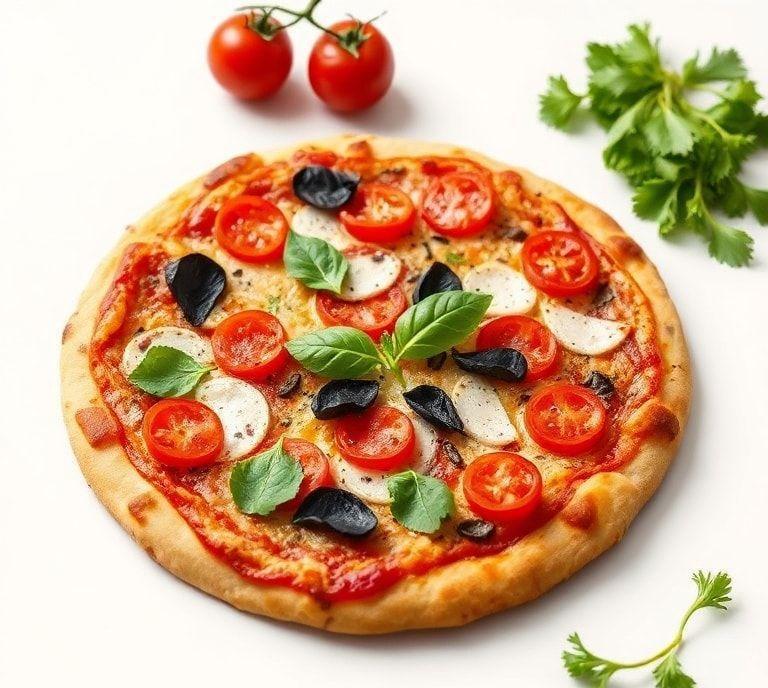
For me, a homemade vegetarian pizza starts with a dough that’s soft yet slightly chewy with a crisp golden crust on the edges. The sauce has to be tangy, rich, and smooth-nothing watery or bland allowed. And then there’s the toppings, of course. Fresh vegetables, herbs, and a sprinkle of cheese bring everything together.
But here’s the thing: this recipe isn’t rigid. It’s an invitation to play. Want extra mushrooms? Go for it. A little extra garlic? Absolutely. The beauty of this recipe is that it’s your pizza, and you have full control over the flavors.
Ingredients Needed
Dough
- 2 ¼ teaspoons active dry yeast
- 1 teaspoon sugar
- 1 ½ cups warm water (about 110°F)
- 3 ½ cups all-purpose flour (you can sub in whole wheat for a heartier version)
- 1 teaspoon salt
- 1 tablespoon olive oil
Sauce
- 1 can (15 ounces) crushed tomatoes
- 2 tablespoons olive oil
- 2 garlic cloves, minced
- 1 teaspoon dried oregano
- ½ teaspoon salt
- A pinch of sugar (this helps balance the acidity of the tomatoes)
Toppings
- 1 cup shredded mozzarella cheese
- ½ cup crumbled feta (optional, but I love the tang it adds)
- 1 red bell pepper, thinly sliced
- 1 small zucchini, thinly sliced
- 1 cup mushrooms, sliced
- ½ red onion, thinly sliced
- Fresh basil leaves
- Olive oil for drizzling
- A pinch of red pepper flakes (optional for a little heat)
Cooking Instructions
-
Making the Dough: Start by activating the yeast. In a small bowl, dissolve the sugar in the warm water, then sprinkle the yeast over the top. Let it sit for about 5 minutes until it becomes frothy. This step is crucial because it shows the yeast is active, ensuring your dough will rise.
In a large mixing bowl, combine the flour and salt. Pour in the yeast mixture and the olive oil, then stir until a dough starts to form. Turn the dough out onto a floured surface and knead for about 7-10 minutes until it’s smooth and elastic. Place the dough in a lightly oiled bowl, cover it with a damp cloth, and let it rise for an hour or until it doubles in size.
- Making the Sauce: While the dough is rising, make your sauce. Heat olive oil in a saucepan over medium heat, then sauté the minced garlic until fragrant (about 1 minute). Add the crushed tomatoes, oregano, salt, and sugar. Let it simmer for about 20 minutes, stirring occasionally. The sauce will thicken, and the flavors will meld together beautifully.
- Preheat the Oven: Preheat your oven to 475°F (245°C). If you have a pizza stone, pop it in the oven as it heats up for that extra crispy crust.
-
Assembling the Pizza: Punch the dough down, then turn it out onto a floured surface. Roll it out into your desired shape-don’t worry about it being perfectly round. That’s part of the charm of homemade pizza. Transfer the rolled-out dough onto a piece of parchment paper for easy handling.
Spread a thin layer of the tomato sauce over the dough, leaving a little border around the edges. Sprinkle the shredded mozzarella over the sauce, then arrange the vegetables-red bell pepper, zucchini, mushrooms, and red onion-on top. If you’re using feta, sprinkle it over the vegetables. Drizzle a little olive oil over the top and, if you like, add a pinch of red pepper flakes for a kick.
- Baking: Carefully slide the pizza (with the parchment paper) onto the preheated pizza stone or baking sheet. Bake for 10-12 minutes, or until the crust is golden and the cheese is bubbly and slightly browned.
- Finishing Touches: Once the pizza is out of the oven, scatter fresh basil leaves on top for a burst of freshness. Slice and serve!
Ingredient Science Spotlight
What makes the dough rise the way it does? Yeast. It’s a living organism, and when it meets warmth and sugar, it ferments and releases carbon dioxide. This gas bubbles up and creates pockets in the dough, making it rise and giving it that airy texture. The sugar also feeds the yeast, which is why we add a little in the water. The olive oil in the dough helps with flavor and texture, giving you that golden, slightly crispy edge.
The cheese-especially mozzarella-isn’t just about flavor. Its ability to melt and stretch plays a big role in that comforting, gooey pizza experience. And the tomatoes in the sauce? They bring in acidity, which balances the richness of the cheese. But when you add a little sugar to the sauce, it helps round out the tanginess, creating a well-balanced flavor profile.
Expert Tips
- Preheat Your Oven: Make sure your oven is fully preheated before you put the pizza in. The high heat helps achieve that crispy crust. If you’re using a pizza stone, it’s even better since it retains heat and cooks the crust evenly.
- Don’t Overload on Toppings: I know it’s tempting to pile on a ton of toppings, but the key to a great pizza is balance. Too many toppings can weigh down the dough and make it soggy. Go for a variety of textures and flavors but don’t go overboard.
- Let Your Dough Rest: After kneading, let your dough rise and relax. This step not only gives you a better texture, but it also allows the yeast to do its thing. Don’t rush it!
- Use Parchment Paper: If you’re not using a pizza stone, baking the pizza on parchment paper makes it easier to slide the pizza onto a baking sheet and helps prevent sticking.
Recipe Variations
- Vegan Version: Skip the cheese and opt for a vegan mozzarella substitute, or simply load up on fresh vegetables and drizzle a little olive oil with a sprinkle of nutritional yeast for a cheesy flavor.
- Spicy Lovers: Add some jalapeños or drizzle a spicy chili oil over the top before serving. A dash of sriracha sauce also adds a nice kick to the pizza.
- Pesto Twist: Swap out the tomato sauce for a homemade or store-bought pesto for a richer, herb-infused base. Pair it with arugula and cherry tomatoes for a fresh touch.
- Roasted Veggies: For deeper flavors, try roasting your vegetables before putting them on the pizza. It enhances their sweetness and adds a bit of caramelization.
Final Words
What I love about this pizza is how it brings people together. It’s so customizable, so personal. You can make it a family event, getting everyone involved in chopping, assembling, and enjoying it straight out of the oven. Or, it can be your personal masterpiece, a delicious, warm, hand-crafted creation that satisfies both your hunger and your soul.
There’s something about that combination of dough, sauce, cheese, and vegetables, all baked into a crispy, melty, perfectly balanced pizza that feels both indulgent and healthy. It’s not just about the food; it’s about the process, the choices you make, and the little moments of joy that come with it.
FAQs
What Are The Essential Ingredients For A Homemade Vegetarian Pizza?
The essential ingredients for a homemade vegetarian pizza include pizza dough, tomato sauce, mozzarella cheese, and a variety of vegetables such as bell peppers, onions, mushrooms, spinach, zucchini, and olives. You can also add herbs like basil, oregano, and garlic for extra flavor.
Can I Make The Pizza Dough From Scratch, And How Long Does It Take?
Yes, you can make pizza dough from scratch. To prepare the dough, you’ll need flour, yeast, olive oil, water, salt, and sugar. The dough typically requires about 1 to 2 hours for the first rise, depending on the temperature. After that, it should be rolled out and prepped for baking. The total time for making the dough and allowing it to rise is around 2 hours.
How Can I Make My Homemade Vegetarian Pizza Healthier?
To make your homemade vegetarian pizza healthier, consider using a whole wheat or cauliflower-based crust for added fiber and nutrients. You can also reduce the amount of cheese, opting for a lighter version or a plant-based cheese alternative. Adding a variety of fresh vegetables and using a tomato-based sauce without added sugar can help increase the nutritional value without sacrificing flavor.