A good soup can do more than warm your body; it can nourish your soul. If you’ve ever sat down to a steaming bowl on a cold day or after a long, exhausting week, you know exactly what I mean. There’s something about the way a soup brings everything together-a mix of flavors, textures, and aromas that feel like a big, comforting hug. But here’s the thing: I’m not just talking about any soup. I’m talking about a high-protein vegetarian soup. It’s a blend of heartiness and health that you’ll want to make again and again, whether you’re a vegetarian, looking to add more plant-based meals to your diet, or just craving something satisfying without the usual heavy ingredients.
This recipe is a game changer because it proves you can have both taste and nourishment without compromising on either. No bland, watery broth here-just a rich, filling bowl that supports your energy and keeps you feeling full for hours.
High Protein Vegetarian Soup Recipe
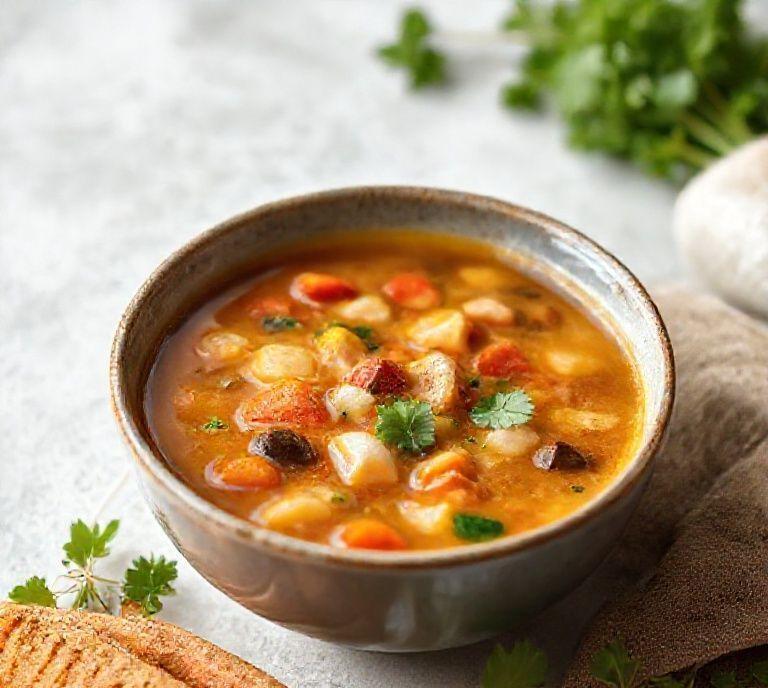
Let’s dive into the recipe itself. This soup is a powerhouse of plant-based protein, and what’s amazing is how easily it comes together. The magic happens when we use ingredients that are naturally rich in protein-think beans, lentils, and quinoa-all mixed with fresh vegetables for texture and flavor. If you’ve made soups before, you’ll notice that this one doesn’t follow the usual "start with broth and hope it all comes together" routine. This recipe has layers, and that’s what makes it truly stand out.
Ingredients Needed
- 1 cup dried lentils (green or brown, but red works fine too)
- 1/2 cup quinoa (rinsed)
- 1 can (15 oz) chickpeas, drained and rinsed
- 1 medium onion, diced
- 2 carrots, peeled and chopped
- 2 celery stalks, chopped
- 3 cloves garlic, minced
- 1 zucchini, chopped
- 1 cup spinach (fresh or frozen)
- 4 cups vegetable broth (or more, depending on desired consistency)
- 1 can (14.5 oz) diced tomatoes
- 2 tbsp olive oil
- 1 tsp ground cumin
- 1 tsp smoked paprika
- 1/2 tsp turmeric
- Salt and pepper, to taste
- Fresh lemon juice (for a pop of brightness)
- Fresh parsley (for garnish)
Cooking Instructions
- Prep Your Ingredients: First things first, rinse your lentils and quinoa. This removes any dust and ensures they cook more evenly. While you’re at it, chop up your vegetables-onions, carrots, celery, zucchini-and mince the garlic. I always find it easier to get this part done early so you’re not scrambling later when the soup is simmering away.
- Sauté the Aromatics: In a large pot, heat the olive oil over medium heat. Add the onions, carrots, and celery and sauté for about 5 minutes until they begin to soften and the kitchen smells heavenly. Add the garlic and cook for another 1-2 minutes until fragrant.
- Spices and Tomatoes: Sprinkle in the cumin, smoked paprika, and turmeric. These spices will infuse the soup with deep, earthy flavors. Stir them into the veggies for about a minute before adding the diced tomatoes (with their juices) and vegetable broth.
- Add the Protein: Now, toss in the lentils, quinoa, and chickpeas. Stir it all together and bring the mixture to a boil. Once it’s boiling, reduce the heat to a low simmer. Cover and let it cook for 25-30 minutes, or until the lentils and quinoa are tender.
- Finishing Touches: When the lentils and quinoa are cooked through, stir in the spinach (it’ll wilt right in) and season with salt and pepper. Let the soup simmer for another 5 minutes.
- Serve: Ladle the soup into bowls and squeeze a bit of fresh lemon juice over each serving for a bright, tangy kick. Garnish with chopped parsley for a pop of color and extra freshness.
Ingredient Science Spotlight
Lentils, quinoa, and chickpeas-these three powerhouse ingredients are the stars of this soup, and they each bring a unique set of nutritional benefits. Let’s break them down:
- Lentils: A humble legume that’s packed with protein-around 18 grams per cup of cooked lentils. They’re also rich in fiber, which is great for digestion and keeping you full longer. Plus, lentils are full of iron and B vitamins, making them an essential part of any vegetarian diet.
- Quinoa: Unlike many grains, quinoa is a complete protein, which means it contains all nine essential amino acids that our bodies can’t make on their own. It’s also gluten-free and high in fiber, making it a great choice for anyone looking to add more plant-based protein to their meals.
- Chickpeas: These little legumes are packed with protein (about 15 grams per cup) and are full of manganese, folate, and iron. They also help stabilize blood sugar levels and can support heart health. Chickpeas are also a great source of antioxidants, which help protect your cells from damage.
Expert Tips
- Rinse Your Grains and Legumes: This isn’t just for cleaning them; rinsing helps remove some of the starch, which can prevent your soup from becoming too thick or gloopy. It also helps reduce any residue that might cause gas for some people.
- Season to Taste: When I’m making this soup, I like to adjust the seasonings as I go. Sometimes, I’ll throw in a little extra cumin or a pinch of red pepper flakes for some heat. Taste it after the lentils and quinoa are done cooking, and don’t be afraid to add a bit more salt or pepper.
- Let It Sit: Like most soups, this one tastes even better the next day. The flavors meld together, and you get this rich, deep taste. If you’ve got time, let it rest for a few hours or overnight before serving. Just be sure to add a little extra broth when you reheat, as it can thicken up as it sits.
Recipe Variations
- Swap the Beans: While chickpeas work wonderfully, you can use any beans you like. White beans, black beans, or kidney beans are all great alternatives. You could even mix and match for extra variety.
- Greens Galore: Instead of spinach, try kale, swiss chard, or collard greens. These hearty greens will hold up well to the simmering and give you a different texture and taste.
- Spice It Up: If you love heat, add a diced jalapeño along with the garlic or sprinkle in some cayenne pepper with the cumin and paprika. A pinch of curry powder would also give it a nice twist.
- Add Coconut Milk: If you want a creamy, slightly sweet variation, try adding a cup of coconut milk. It gives the soup a velvety texture and complements the spices beautifully.
Final Words
This high-protein vegetarian soup isn’t just a meal; it’s a reminder that plant-based eating doesn’t have to mean compromise. It can be hearty, flavorful, and incredibly satisfying. And with the simple, wholesome ingredients we’re using here, you’re nourishing both your body and your spirit. What I love most about this recipe is how flexible it is. You can tweak it based on what you have in the kitchen or what flavors you’re craving. Plus, it’s a great make-ahead meal for busy days when you need something filling but don’t have a lot of time.
FAQs
What Are Some High-protein Ingredients I Can Use In A Vegetarian Soup?
High-protein ingredients for vegetarian soups include legumes like lentils, chickpeas, and black beans, as well as tofu, tempeh, edamame, quinoa, and seitan. Nuts and seeds, such as pumpkin seeds or hemp seeds, can also boost protein content, while vegetables like spinach, kale, and broccoli add smaller amounts of protein along with essential vitamins and minerals.
How Can I Ensure My Vegetarian Soup Has A Balanced Protein Content?
To achieve a balanced protein content, combine different protein sources to get a complete amino acid profile. For example, pairing legumes (like lentils or beans) with whole grains (such as barley or quinoa) ensures a more complete protein. Additionally, including tofu or tempeh provides a concentrated protein source. Measuring portions and using a nutritional calculator can help ensure each serving meets your protein target.
Can I Make High-protein Vegetarian Soup Ahead Of Time And Store It?
Yes, most high-protein vegetarian soups can be made in advance. Store them in airtight containers in the refrigerator for up to 4-5 days. For longer storage, freeze in individual portions for up to 3 months. When reheating, add a little water or vegetable broth if the soup has thickened, and adjust seasoning as flavors may concentrate during storage.