There’s something about food that has a magical way of bringing us back to a place of comfort, memories, and even a little excitement. A well-prepared dish is more than just the sum of its ingredients-it’s an experience, a story. Today, I want to share with you a recipe that has become a personal favorite over time: Black-Eyed Peas, but with a delightful vegetarian twist. It’s a dish I’ve returned to countless times, especially during those cold evenings when all I want is something hearty, healthy, and comforting. The beauty of black-eyed peas isn’t just in their flavor, but in how they have been used across cultures, steeped in tradition, yet easily adaptable to modern kitchens.
I’m not sure when I first fell in love with these tiny legumes, but they’ve always been a part of my culinary journey. Whether it was a warm pot simmering on a Southern family table, or as an unexpected guest in a Mediterranean stew, these peas have always had a way of surprising me. What makes this particular recipe special is its simplicity. It’s one of those dishes that you can prepare with minimal fuss, yet it’s layered with flavor in a way that you don’t expect. Every bite feels satisfying, and if you’re a fan of plant-based meals (or just trying to incorporate more veggies), this recipe will surely become a staple in your repertoire.
Black Eyed Pea Vegetarian Recipe
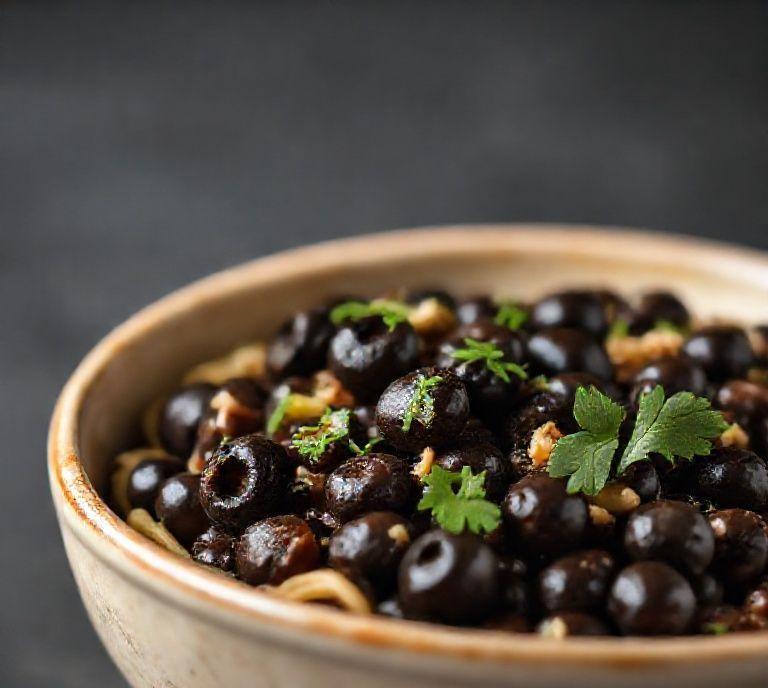
When I first started experimenting with vegetarian recipes, I didn’t realize just how versatile legumes like black-eyed peas could be. I’ve spent years fine-tuning this recipe, and what I’ve learned is that simplicity often yields the most satisfying results. This dish isn’t about overwhelming spices or intricate techniques. It’s about highlighting the natural flavors of black-eyed peas and complementing them with a few key ingredients that come together beautifully.
You’re not just making a meal; you’re crafting a warm, cozy bowl that brings you back to basics. The recipe I’m sharing today is one that feels like it’s been passed down through generations, yet it’s as fresh as the day you make it.
Ingredients Needed
Let’s break it down. I always like to have a quick look through the ingredients before starting. There’s nothing worse than getting halfway through cooking and realizing you’re missing something crucial (trust me, I’ve been there). Here’s what you’ll need for this simple and wholesome dish:
- 1 ½ cups dried black-eyed peas – You can certainly use canned, but dried peas really elevate the texture and give you that rustic, hearty vibe.
- 1 tablespoon olive oil – For sautéing and giving everything that rich depth of flavor.
- 1 medium onion, chopped – Onions, in my opinion, are the unsung heroes of any dish. They bring that natural sweetness and savoriness.
- 2 garlic cloves, minced – A must-have. Garlic infuses the entire dish with that aromatic, savory undertone.
- 1 carrot, diced – A pop of color and a little sweetness to balance the peas.
- 1 celery stalk, diced – For crunch and a bit of freshness.
- 1 teaspoon ground cumin – Cumin has this earthy, smoky quality that really works well with black-eyed peas.
- ½ teaspoon smoked paprika – Just a hint of smokiness without overpowering the dish.
- 4 cups vegetable broth – The heart and soul of your dish. Use a good-quality broth-it’ll make a huge difference in flavor.
- 1 bay leaf – Adds a subtle depth to the entire pot.
- Salt and pepper, to taste – Seasoning is where you get to adjust to your personal preference.
- 1 cup spinach or kale (optional) – If you want to add some greens for extra health benefits and a burst of color, this is the place to do it.
Cooking Instructions
Alright, so you’ve got all your ingredients prepped and ready to go. This part is where the magic happens, and honestly, it’s one of the easiest steps in the process. But trust me, every minute spent in this kitchen is worth it.
- Prepare the Peas: If you’re using dried black-eyed peas, start by soaking them in water for at least 6 hours or overnight. If you’re in a rush, you can skip the soak, but the texture will be slightly different. Drain them before cooking.
- Sauté the Veggies: Heat your olive oil in a large pot over medium heat. Once it’s hot, toss in the chopped onion, carrot, and celery. Cook for about 5 minutes, stirring occasionally, until the veggies soften up and the onions turn translucent. Now, add the garlic and sauté for another 1-2 minutes. That smell? Yeah, that’s the good stuff.
- Season the Mix: Sprinkle in your cumin, smoked paprika, salt, and pepper. Give everything a good stir, allowing the spices to toast just a little bit. This really brings out the flavor and gives the dish a richer base.
- Add the Peas and Broth: Pour in your soaked black-eyed peas and vegetable broth. Toss in the bay leaf, bring the whole thing to a boil, then reduce the heat to low. Cover the pot and let it simmer gently for 45-60 minutes, or until the peas are tender. The longer they simmer, the more flavorful the broth will become, so don’t rush this part.
- Final Touches: About 10 minutes before serving, stir in the spinach or kale, if you’re using it. Let it wilt down and infuse the dish with its vibrant green color.
- Taste and Adjust: Now’s the time to taste! Adjust the salt, pepper, or even throw in a dash more paprika if you like things a bit smokier.
- Serve: Serve hot. This dish pairs wonderfully with cornbread or a side of quinoa for extra protein. Or, you can just enjoy it as is-hearty, filling, and incredibly satisfying.
Ingredient Science Spotlight
One of the things I love most about cooking is diving into the ’why’ behind the ingredients. Each element in this dish serves not only a purpose in flavor but also in nutrition.
- Black-Eyed Peas: These legumes are an excellent source of plant-based protein and fiber. They’re rich in folate and iron, which help with energy production and red blood cell formation. Plus, they’re an affordable, sustainable option for anyone looking to cut down on meat consumption.
- Olive Oil: I always reach for extra virgin olive oil because of its rich, fruity flavor. It’s also packed with healthy monounsaturated fats that help support heart health.
- Spices (Cumin & Paprika): Cumin and paprika are more than just flavor boosters-they’re antioxidants. Cumin aids digestion, while paprika (especially the smoked variety) is loaded with vitamin A and can help with immune function.
- Vegetables (Carrots, Celery, and Spinach): These vegetables aren’t just for color-they provide a range of essential vitamins and minerals. Carrots are rich in beta-carotene (good for vision), celery is high in fiber and water content (great for hydration), and spinach is packed with iron, which helps with energy and muscle function.
Expert Tips
- Soak your peas: Soaking dried peas helps them cook faster and makes them easier to digest. If you forget to soak them, you can still cook them, but be prepared for a longer cooking time.
- Broth matters: The broth is where a lot of the flavor comes from, so don’t skimp on it. If you can, use a homemade vegetable broth or a high-quality store-bought version.
- Adjust the texture: If you prefer a creamier texture, mash a few of the peas once they’re cooked. This will thicken the broth and give it a more stew-like consistency.
- Let it rest: Like many soups and stews, this recipe tastes even better the next day. If you have time, let it sit in the fridge overnight for the flavors to meld.
Recipe Variations
- Spicy Kick: If you love heat, add a diced jalapeño or a teaspoon of chili flakes when you sauté the vegetables. It adds a nice layer of spice to balance the earthiness of the peas.
- Southern Twist: For a more traditional Southern-style dish, stir in some smoked or tempeh bacon for a smoky, savory flavor.
- Lemon Zest: A little squeeze of fresh lemon juice just before serving adds a bright pop of citrus that complements the richness of the peas.
Final Words
There’s something endlessly comforting about a pot of black-eyed peas simmering away on the stove. It’s like wrapping yourself in a warm blanket on a chilly day. This recipe is simple, yet it packs a punch with both flavor and nutrition. Whether you’re a longtime fan of black-eyed peas or trying them for the first time, I hope this dish becomes a favorite in your home, just as it has in mine.
FAQs
What Are Some Common Ingredients Used In Black Eyed Pea Vegetarian Recipes?
Black eyed pea vegetarian recipes typically include ingredients such as black eyed peas, tomatoes, onions, garlic, bell peppers, spinach, and various spices like cumin, coriander, turmeric, and chili powder. For added flavor, vegetable broth, olive oil, and fresh herbs like cilantro or parsley are often used. Many recipes also include grains like quinoa or rice, and sometimes coconut milk or lemon juice for a richer taste.
Can I Use Canned Black Eyed Peas Instead Of Dried Beans For A Vegetarian Recipe?
Yes, you can use canned black eyed peas instead of dried beans in vegetarian recipes. Canned black eyed peas are convenient and save time since they are already cooked. However, be sure to rinse them well before using to reduce excess sodium. If using dried beans, they will need to be soaked overnight and cooked for a longer period before incorporating them into the recipe.
Are There Any Variations Of Black Eyed Pea Vegetarian Recipes For Different Cuisines?
Yes, black eyed peas are used in various cuisines and can be adapted for different flavor profiles. For example, in Southern U.S. cuisine, black eyed peas are often cooked with collard greens, garlic, and smoked seasonings. In Indian cuisine, they may be included in curries with spices like garam masala and turmeric. African-inspired recipes might include tomato-based stews, while Mediterranean versions can feature olives, lemon, and herbs like oregano or thyme.