
There’s something about the simplicity of a bowl of Thai rice noodles that pulls you in, isn’t there? It’s not just about the ingredients or the spices, but about how those elements come together to tell a story of fresh flavors, balance, and comfort. I remember the first time I made Thai rice noodles at home. I had just returned from a trip to Thailand, where the street food culture completely captivated me. Everywhere you turned, there was a vibrant stall offering steaming bowls of noodles, garnished with fresh herbs and a burst of tangy-sweet sauces. Coming back to my kitchen, I was determined to recreate that flavor-packed dish, but I knew it had to be vegetarian-something about the fresh ingredients and vibrant colors just made it feel right.
And, of course, I had to make sure it was quick and easy because, let’s face it, sometimes you just want a good meal without spending all evening in the kitchen. That’s when I stumbled upon this simple recipe that I’ll be sharing with you today-one that doesn’t skimp on flavor but still keeps things light and approachable. It’s got that perfect balance of salty, sour, sweet, and spicy, and you can tweak it to suit your own taste buds.
Thai Rice Noodles Vegetarian Recipe
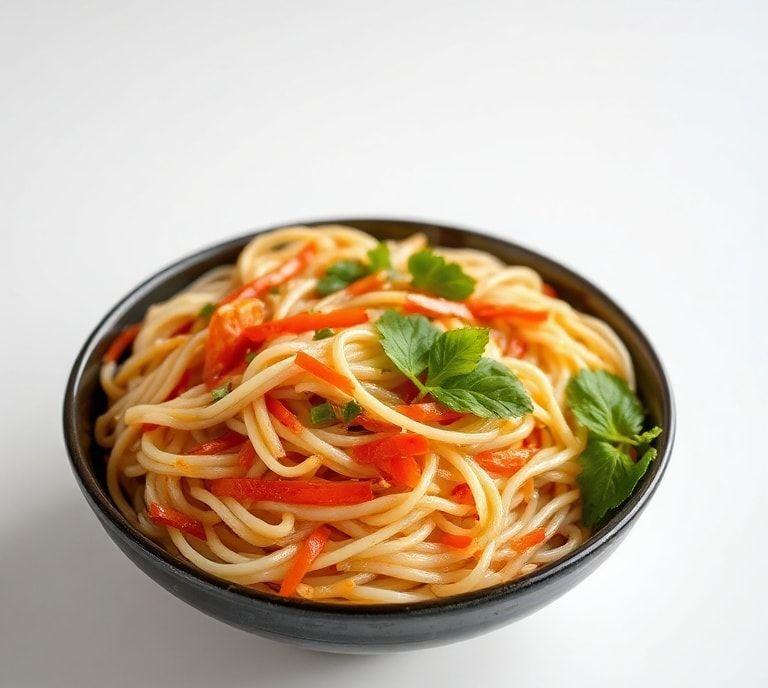
This vegetarian Thai rice noodle recipe is as much about texture and balance as it is about flavor. The soft, chewy noodles are complemented by the crunch of fresh vegetables, while the sauce-rich with lime, soy sauce, and a hint of sweetness-ties everything together. It’s the kind of dish that satisfies both your body and your soul.
Ingredients Needed
To get started, gather these simple but essential ingredients. You won’t need to make a trip to an exotic market; many of these are items you can find in your local grocery store.
- Rice noodles – These are the heart of the dish. You can typically find them in the Asian foods section of most stores. Look for the flat variety, often labeled “wide rice noodles”, which are most commonly used in Thai stir-fried noodle dishes.
- Vegetable oil – For stir-frying and getting that nice, even texture on the noodles and veggies.
- Tofu – This is your protein. Firm tofu works best because it holds up well in the stir-fry. Press it to remove excess moisture, then cut it into cubes.
- Garlic and shallots – The flavor base. Together, these create the savory, aromatic foundation of your dish.
- Carrots – Thinly sliced or julienned, they add crunch and color.
- Bell pepper – Red or yellow bell peppers will add sweetness and a vibrant pop of color to your plate.
- Cabbage – This brings a bit of texture and some leafy crunch. Napa cabbage is commonly used, but any type works.
- Peanut butter – For the sauce. It adds creaminess and a nutty, rich flavor.
- Soy sauce or tamari – A key component of the sauce to balance out the peanut butter’s richness with a bit of saltiness.
- Lime juice – The sour element that brightens everything up.
- Maple syrup or agave syrup – A natural sweetener to balance the salty and sour components.
- Sriracha – For a bit of heat. Adjust to your spice preference.
- Fresh cilantro – For garnish, because no Thai dish is complete without a sprinkle of fresh herbs.
Cooking Instructions
Alright, let’s roll up those sleeves and get to it. The process is pretty straightforward, but the key is in timing and balance. Let’s walk through it step-by-step.
- Cook the rice noodles: Start by bringing a large pot of water to a boil. Add the rice noodles and cook according to the package instructions, usually 3-5 minutes, until they’re al dente. Drain them, then toss them with a little vegetable oil to prevent them from sticking together. Set aside.
- Prepare the tofu: While the noodles are cooking, take your pressed tofu and cut it into cubes. Heat a tablespoon of vegetable oil in a pan over medium-high heat. Add the tofu cubes and sauté them until they’re golden brown on all sides, about 5-7 minutes. Once done, set aside.
- Stir-fry the vegetables: In the same pan, add a bit more oil if needed. Toss in your garlic and shallots and sauté for a minute or two until fragrant. Add the carrots, bell pepper, and cabbage, and stir-fry for another 3-5 minutes, until they’re tender but still crisp.
- Make the sauce: In a small bowl, whisk together the peanut butter, soy sauce, lime juice, maple syrup, and sriracha. Add a little water if needed to thin it out to your desired consistency. Taste it and adjust for sweetness, salt, or spice as you see fit.
- Combine everything: Now that everything’s cooked, it’s time to bring it all together. Add the noodles and tofu to the vegetable stir-fry, pour the sauce over the top, and toss everything to coat evenly. Let it cook for another 2 minutes, stirring occasionally, so the noodles absorb all the delicious sauce.
- Serve: Once everything’s well combined, serve the noodles in bowls, garnished with fresh cilantro and a squeeze of lime juice. If you like extra crunch, sprinkle some chopped peanuts or sesame seeds on top.
Ingredient Science Spotlight
What’s so magical about these ingredients? Well, let’s break it down a bit.
- Rice noodles: Made from rice flour and water, these noodles are naturally gluten-free. They’re also much lighter than wheat-based noodles, so they provide a satisfying texture without being too heavy.
- Tofu: Packed with protein, tofu is a fantastic meat substitute in vegetarian dishes. It absorbs the flavors it’s cooked with, which is why it works so well in this stir-fry. It’s also a great source of iron and calcium, making it a nutritious addition to any dish.
- Peanut butter: Not just for sandwiches! Peanut butter is rich in healthy fats and protein. It’s the creamy base for the sauce, and its nutty flavor creates a delicious contrast to the tangy lime and salty soy sauce.
- Lime: The acidity of lime helps to balance the richness of the peanut butter and soy sauce. Plus, the fresh citrus notes brighten the entire dish, cutting through the heaviness of the tofu and noodles.
Expert Tips
Here are a few tips to take your Thai rice noodle dish from good to great:
- Press the tofu well: The more moisture you remove from the tofu, the crispier it’ll get when you fry it. Don’t skip this step! Wrap the tofu in a clean towel, and press it with a weight for about 10 minutes before cutting it.
- Play with the sauce: The beauty of this recipe is that the sauce can be adjusted to your preferences. If you like it spicier, add more sriracha. If you like a sweeter sauce, a little more maple syrup will do the trick.
- Add some crunch: For an added layer of texture, sprinkle some crushed peanuts or toasted sesame seeds over the top. It’s a small detail, but it makes a huge difference.
- Herb options: While cilantro is traditional, you can mix it up with fresh basil or even mint for a slightly different twist.
Recipe Variations
The beauty of a recipe like this is how versatile it can be. Here are a few variations to keep things exciting:
- Add mushrooms: For an earthy flavor and extra umami, throw in some sliced shiitake or oyster mushrooms. They soak up the sauce beautifully.
- Swap the vegetables: Use whatever fresh veggies you have on hand-zucchini, snap peas, or even broccoli would work wonderfully in this dish.
- Make it a soup: If you’re in the mood for something more comforting, add vegetable broth to the stir-fry and turn this into a noodle soup. You could even toss in some baby spinach for extra greens.
- Add a protein boost: If you’re craving more protein, tempeh or seitan would work great here, or you could even toss in some chickpeas for a hearty, vegetarian twist.
Final Words
This Thai rice noodle dish is one of those recipes that feels like a gift-it’s simple but packed with layers of flavor. Whether you’re looking to whip up a quick weeknight dinner or impress some friends with your culinary skills, this dish has all the right ingredients to make it a success. It’s satisfying, light, and full of freshness, and you can tweak it to your heart’s desire based on what’s in season or what you have on hand.
FAQs
What Ingredients Are Typically Used In A Vegetarian Thai Rice Noodle Recipe?
A vegetarian Thai rice noodle recipe typically includes rice noodles, fresh vegetables like bell peppers, carrots, and broccoli, tofu or tempeh for protein, and a flavorful sauce made from ingredients such as soy sauce, tamarind, lime juice, garlic, ginger, and chili paste. Garnishes like fresh herbs (cilantro, basil), crushed peanuts, and lime wedges are often added to enhance the flavor.
Can I Make Thai Rice Noodles Vegetarian Without Tofu?
Yes, you can make Thai rice noodles vegetarian without tofu. If you prefer to avoid tofu, you can substitute it with other plant-based proteins such as tempeh, seitan, or chickpeas. Alternatively, you can increase the amount of vegetables or add mushrooms for a hearty texture. The sauce and other garnishes will still provide the traditional Thai flavor.
How Do I Cook Thai Rice Noodles Properly For A Vegetarian Recipe?
To cook Thai rice noodles for a vegetarian recipe, first bring a large pot of water to a boil. Once boiling, remove it from heat and submerge the rice noodles in the water. Let them soak for 4-6 minutes or until tender, but still firm (al dente). Drain and rinse them with cold water to prevent sticking. After draining, toss them with a little oil or directly add them to your stir-fry or sauce mixture for the best texture.