There’s something about the simplicity of a marinara sauce that makes it feel like home. Whether it’s simmering on a cold afternoon, filling the kitchen with a comforting aroma, or being the centerpiece of a weeknight dinner, marinara sauce always brings a sense of warmth and nostalgia. It’s a dish I learned to make when I was younger, watching my mom stir pots in our kitchen. She was never one to follow recipes strictly; instead, she used intuition and a little bit of love to craft each meal.
Over the years, I’ve added my own twists to the classic marinara. As someone who loves experimenting with flavors while keeping things vegetarian, I’ve learned how a well-made marinara can transform even the simplest of dishes. It’s versatile, vibrant, and – as I’ve discovered – it’s incredibly easy to make from scratch. The best part? You don’t need to be a professional chef to nail it. You just need a few good ingredients and a little patience, and that’s exactly what I’m here to share with you today: a foolproof vegetarian marinara recipe that brings out the best of fresh ingredients, with a few tips and tricks along the way.
Vegetarian Marinara Sauce Recipe
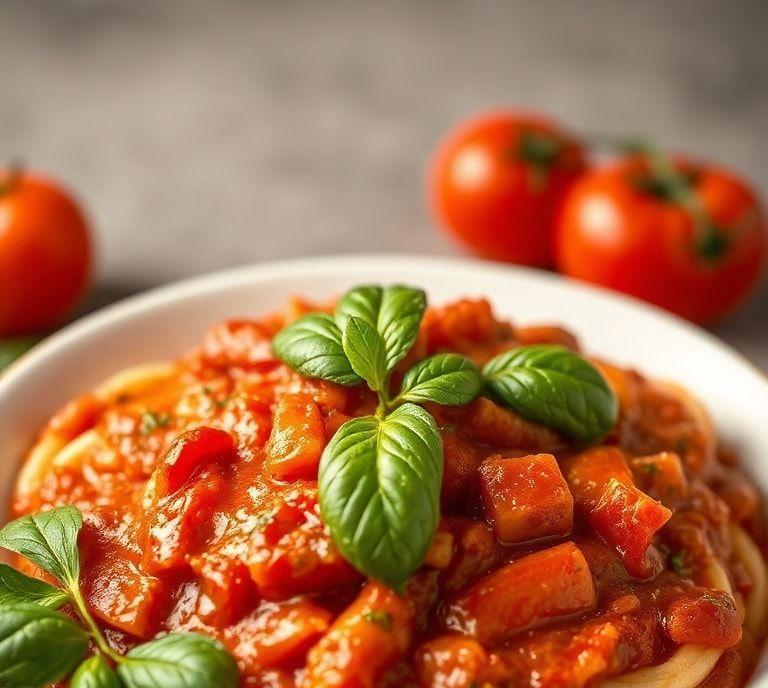
The beauty of marinara sauce is its versatility. While some might insist on adding meat, I’ve always loved the freshness and simplicity of a vegetarian version. The combination of tomatoes, garlic, onions, and fresh herbs creates a sauce that’s rich, flavorful, and so satisfying. I’ve taken this base recipe and refined it over time, making adjustments to ensure that every bite is packed with depth and complexity. Here’s my favorite version.
Ingredients Needed
- Olive oil – 2 tbsp
- Garlic – 4 cloves, minced
- Onion – 1 medium, finely chopped
- Canned whole tomatoes – 2 cans (28 oz each), preferably San Marzano for their sweetness
- Tomato paste – 2 tbsp
- Dried oregano – 1 tsp
- Fresh basil – 1/4 cup, chopped (plus a few leaves for garnish)
- Red pepper flakes – 1/2 tsp (optional, for a little heat)
- Salt – 1 tsp (or to taste)
- Sugar – 1 tsp (optional, to balance acidity)
- Fresh ground black pepper – to taste
Cooking Instructions
- Heat the oil: In a large saucepan, heat the olive oil over medium heat. Add the garlic and onions. Sauté for 5-7 minutes, or until the onions turn soft and translucent. The garlic should be fragrant but not browned.
- Add the tomatoes: Pour in the canned tomatoes, crushing them lightly with a wooden spoon to break them up. If you like a smoother sauce, you can use an immersion blender at this point, or even blend the sauce in a regular blender after it simmers. Stir in the tomato paste to give the sauce that rich, concentrated tomato flavor.
- Season the sauce: Sprinkle in the dried oregano, basil, salt, pepper, and sugar (if using). Stir well, making sure the seasonings are evenly distributed. Reduce the heat to low, and let the sauce simmer uncovered for about 30 minutes. Stir occasionally to ensure nothing sticks to the bottom.
- Taste and adjust: After 30 minutes, taste your sauce. Depending on the tomatoes, you might need a pinch more salt or sugar to balance the acidity. Add red pepper flakes for a little kick if that’s your style.
- Finish it off: Just before serving, stir in a little extra fresh basil for a pop of color and flavor. You can use the sauce immediately, or let it cool and store it in an airtight container for up to a week. It also freezes beautifully for later use.
Ingredient Science Spotlight
Let’s pause for a moment to look at what makes these ingredients so special.
Tomatoes are the star of the show, obviously. They’re full of lycopene, a powerful antioxidant that gives them their red color and has been linked to several health benefits, including heart health. The key with marinara is the quality of the tomatoes. That’s why I always opt for canned whole tomatoes, particularly San Marzano. They are sweeter and have a smoother texture than other varieties, making them ideal for a sauce that’s not too acidic.
Then there’s garlic. Not only is it packed with flavor, but it also has strong anti-inflammatory properties. Garlic, when cooked slowly over low heat, caramelizes and deepens in flavor, adding layers of richness to the sauce without overwhelming it.
Olive oil is another hero in this dish. It’s rich in healthy monounsaturated fats, which help to unlock the flavors in the other ingredients. Plus, it adds a velvety texture to the sauce that you can’t get with any other oil.
The addition of herbs – oregano and basil – provides freshness and aroma, enhancing the overall depth of the sauce. Oregano, especially, is a powerhouse when it comes to antioxidants, while basil adds a sweet, peppery note that perfectly balances the acidity of the tomatoes.
Expert Tips
- Don’t skip the simmering: A good marinara sauce needs time to develop its full flavor. While you can rush through the cooking process, the longer it simmers, the deeper the flavors become. If you’re not in a rush, let the sauce go for an hour. The difference is noticeable.
- Use quality tomatoes: The better the tomatoes, the better the sauce. I know they can be pricey, but it’s worth it to get high-quality canned tomatoes (look for San Marzano if possible). They’ll give your marinara sauce a naturally sweet, rich flavor.
- Fresh herbs are a game-changer: While dried herbs work well, fresh herbs take this sauce to a whole new level. If you can get fresh basil, go for it. It adds an aromatic, almost floral quality to the sauce.
- Freeze leftovers: I always make a big batch of marinara and freeze the leftovers. It’s perfect for days when you want to whip up something quickly-just defrost, heat, and enjoy!
- Add a splash of balsamic vinegar: If the sauce tastes too one-dimensional, a splash of balsamic vinegar can add a layer of complexity, balancing the sweetness and acidity of the tomatoes.
Recipe Variations
This vegetarian marinara is super adaptable. Here are a few variations you can try depending on your mood or the ingredients you have on hand:
- Mushroom Marinara: Add finely chopped mushrooms to the onions and garlic for a meaty texture and earthy flavor. Mushrooms absorb the flavors of the sauce and add a wonderful umami punch.
- Spicy Marinara: If you like your sauce with some heat, increase the red pepper flakes, or even add fresh chili peppers. A small diced jalapeño or serrano pepper would work wonders.
- Roasted Tomato Marinara: For a deeper flavor, roast your tomatoes before adding them to the sauce. Slice them in half, drizzle with olive oil, and roast them at 400°F for about 30 minutes until they’re caramelized and sweet, then blend them into your sauce base.
- Vegetable Marinara: Add in extra veggies like bell peppers, zucchini, or carrots to make the sauce heartier and even more nutritious. Sauté the vegetables with the onions and garlic before adding the tomatoes.
Final Words
Making marinara from scratch is one of those kitchen rituals that’s always worth the effort. Not only does it fill your home with an intoxicating aroma, but it’s also a healthier, more flavorful option than store-bought alternatives. The best part? Once you’ve mastered the basic sauce, you can turn it into so many different meals-pasta, pizza, or even as a dipping sauce for breadsticks.
In many ways, this marinara recipe feels like the heart of Italian cooking-simple, fresh ingredients that come together to create something beautiful. And as I learned from my mom, it doesn’t have to be perfect. It just needs to taste like love.
FAQs
What Ingredients Are Essential For A Vegetarian Marinara Sauce?
A classic vegetarian marinara sauce typically includes ripe tomatoes, olive oil, garlic, onions, and a selection of herbs such as basil, oregano, and thyme. Additional optional ingredients can include red pepper flakes for a hint of heat, sugar to balance acidity, and carrots or celery for added depth of flavor. Using fresh, high-quality ingredients ensures a richer, more vibrant sauce.
How Can I Make My Vegetarian Marinara Sauce Thicker And More Flavorful?
To achieve a thicker, more flavorful sauce, simmer the sauce over low to medium heat for at least 30-45 minutes, allowing the liquid to reduce and the flavors to concentrate. Roasting or sautéing the tomatoes and garlic before adding them to the sauce can enhance their natural sweetness and depth. Incorporating tomato paste or pureeing part of the sauce can also improve texture and richness.
Can I Store Vegetarian Marinara Sauce, And How Long Does It Last?
Yes, vegetarian marinara sauce can be stored both in the refrigerator and freezer. In the refrigerator, it will typically last 4-5 days in an airtight container. For longer storage, freezing the sauce in portions for up to 3 months is recommended. To maintain the best flavor, allow the sauce to cool completely before storing, and reheat gently on the stove to avoid altering its texture or taste.