Cooking at home often feels like a dance between creativity and practicality. You want something that feels like a meal, not a chore, but you also want it to taste good and, ideally, feel a little special. This recipe I’m about to share with you does exactly that-it’s a vegetarian main course that can fit into a busy weeknight or an elegant weekend dinner. It’s all about making vegetables shine, showing how they can be the star of the show when they’re treated with a little respect and the right kind of love.
Growing up, I never thought much about vegetarian dishes. The idea of a meatless dinner felt like a side dish at best. It wasn’t until much later, after trying out some fantastic vegetarian dishes at small local restaurants, that I truly understood what was possible with vegetables. They’re not just fillers or substitutes-they’re flavorful, satisfying, and full of character. So, this recipe is my take on the versatility and depth of vegetables as a main course. It’s one of those dishes you can’t help but go back for seconds, and it makes the idea of a "vegetarian" meal feel like a luxury, not a limitation.
Vegetarian Main Course Recipe
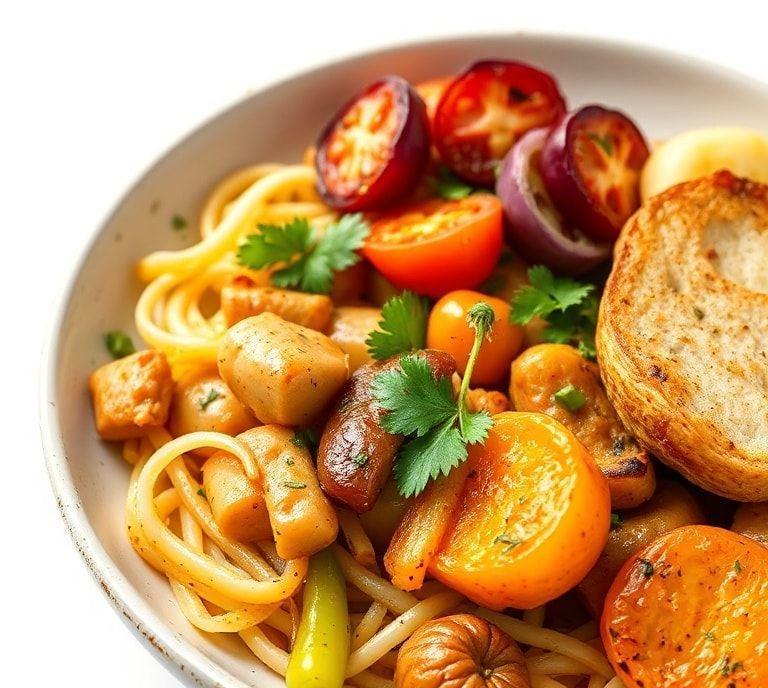
The dish I’m sharing today is a Roasted Cauliflower Stew with Sweet Potatoes and Chickpeas. If you’ve never considered cauliflower as the centerpiece of a meal, it’s time to rethink that. Cauliflower has a meaty texture when roasted, and it absorbs spices beautifully. Paired with sweet potatoes and chickpeas, this stew offers a balance of hearty flavors, a comforting texture, and just the right amount of warmth. It’s easy to make and one of those meals that improves the next day when the flavors have had time to meld.
Ingredients Needed
For this stew, I’ve carefully selected ingredients that bring a variety of textures and flavors together. Here’s what you’ll need:
- 1 medium cauliflower head, broken into florets
- 2 large sweet potatoes, peeled and cubed
- 1 can of chickpeas, drained and rinsed
- 1 onion, finely chopped
- 2 cloves garlic, minced
- 1 can of diced tomatoes (preferably fire-roasted)
- 4 cups vegetable broth (you can use water, but broth adds a richer flavor)
- 1 tablespoon olive oil
- 1 teaspoon ground cumin
- 1 teaspoon ground turmeric
- ½ teaspoon smoked paprika
- 1 teaspoon ground cinnamon
- Salt and pepper, to taste
- Fresh cilantro (for garnish)
- 1 tablespoon lemon juice (optional but recommended for a fresh zing)
You can feel free to play with the seasoning here, but these basics will give you a hearty, satisfying stew with a warm, slightly smoky undertone.
Cooking Instructions
Cooking this stew is really straightforward. The beauty of it lies in the simplicity.
- Preheat the oven to 425°F (220°C). This step is crucial because roasting the cauliflower is where a lot of the magic happens.
- Toss the cauliflower florets in olive oil, a pinch of salt, and a sprinkle of smoked paprika. Spread them out on a baking sheet and roast in the oven for about 25-30 minutes, or until they’re golden and slightly crispy around the edges.
- While the cauliflower is roasting, heat a large pot over medium heat. Add a little olive oil, then sauté the onion until it softens and becomes translucent-about 5 minutes. Add the garlic and cook for another 2 minutes, letting it become fragrant.
- Stir in the spices-cumin, turmeric, cinnamon, and a pinch of salt and pepper. Let them cook for a minute or so to bloom in the heat, releasing their oils and deepening their flavor.
- Add the sweet potatoes, chickpeas, and diced tomatoes to the pot, then pour in the vegetable broth. Bring everything to a simmer. Cover the pot and let it cook for about 20 minutes, until the sweet potatoes are tender.
- When the cauliflower is done roasting, add it to the stew. Stir everything together and let it simmer for another 10 minutes. You want the cauliflower to absorb all the flavors but still retain its texture.
- Taste and adjust the seasoning as needed-sometimes a little extra salt, pepper, or a squeeze of lemon juice can bring everything together.
- To serve, ladle the stew into bowls and sprinkle fresh cilantro over the top. A squeeze of lemon juice adds a nice brightness, balancing the rich, earthy flavors.
Ingredient Science Spotlight
Let’s talk a bit about cauliflower, because it’s the unsung hero of this dish. Cauliflower, like many cruciferous vegetables (think broccoli and Brussels sprouts), is a powerhouse in terms of health benefits. It’s full of fiber, vitamin C, and antioxidants. But beyond that, its texture is what makes it such a wonderful choice for a vegetarian main course. When roasted, it becomes tender yet slightly crispy, making it an excellent stand-in for meatier textures in stews or roasts.
Sweet potatoes, on the other hand, bring a subtle sweetness that perfectly balances out the earthiness of cauliflower and the warmth of the spices. They’re also packed with beta-carotene, a form of vitamin A, which is great for eye health and immune function. The chickpeas round out the dish, providing protein and a creamy texture that blends wonderfully with the other ingredients.
Expert Tips
- Roast your cauliflower separately. Roasting the cauliflower before adding it to the stew ensures that it gets that wonderful caramelized flavor and retains its structure. If you add it in too early, it can become mushy and lose that satisfying bite.
- Spices matter. If you don’t have smoked paprika, regular paprika will do, but I highly recommend the smoked variety for that extra depth. Similarly, turmeric adds a beautiful golden color and a warming flavor, but if you’re not a fan, you can leave it out or replace it with ground ginger for a slightly different profile.
- Make it a one-pot meal. If you’re looking for an even simpler version, you can skip the roasting step and toss all the ingredients in the pot at once. It won’t have that roasted depth, but it will still be delicious.
Recipe Variations
- Add greens. Spinach or kale would be great additions to this stew. Just stir them in toward the end of the cooking process, as they only need a few minutes to wilt.
- Spicy twist. If you like heat, consider adding a chopped chili pepper (jalapeño or serrano) with the garlic and onion, or sprinkle some chili flakes into the stew.
- Coconut milk. For a richer, creamier stew, add a can of coconut milk toward the end of cooking. This will give the stew a more velvety texture and a subtle sweetness.
- Substitute legumes. If you’re not a fan of chickpeas, you can swap them out for lentils, kidney beans, or even edamame. Each of these options will give the dish a slightly different twist but still work wonderfully.
Final Words
The beauty of this dish is in its balance: earthy, sweet, and savory all at once, with textures that are both satisfying and diverse. It’s a vegetarian meal that doesn’t feel like a compromise-it’s filling, flavorful, and just plain good. Whether you’re eating it alone or sharing with friends, it’s one of those dishes that will have people asking for the recipe.
FAQs
What Are Some Common Ingredients In Vegetarian Main Course Recipes?
Common ingredients in vegetarian main course recipes include a variety of vegetables (such as leafy greens, bell peppers, carrots, and tomatoes), legumes (like beans, lentils, and chickpeas), whole grains (such as quinoa, rice, and barley), tofu, tempeh, and plant-based proteins. Dairy products (like cheese and yogurt) or plant-based alternatives are also commonly used for flavor and texture. Herbs and spices like garlic, cumin, turmeric, and basil help elevate the dish’s taste.
How Do I Make A Vegetarian Main Course More Filling?
To make a vegetarian main course more filling, it’s important to include protein-rich ingredients such as lentils, beans, chickpeas, tofu, or tempeh. Whole grains like quinoa, farro, or brown rice add fiber and substance. You can also include healthy fats from avocados, nuts, seeds, or olive oil to provide a satisfying richness. Combining complex carbohydrates, proteins, and fats ensures the meal is hearty and balanced.
Can I Substitute Meat In A Traditional Recipe With Plant-based Ingredients?
Yes, you can easily substitute meat with plant-based ingredients in most traditional recipes. For example, ground meat can be replaced with lentils, crumbled tofu, tempeh, or a store-bought meat alternative. In recipes like stews, curries, or stir-fries, vegetables like mushrooms, eggplant, or jackfruit can offer a meaty texture. Additionally, using legumes, such as black beans or chickpeas, provides protein while maintaining the dish’s heartiness.