There’s something about a bowl of red curry that feels like a warm embrace, isn’t there? I think it’s the depth of flavors, the creamy richness, and the balance between heat and sweetness. Growing up, I always loved watching my mom create dishes that were bursting with flavor and had such an ability to transport you to another place. The aromas alone were enough to make your mouth water. One of her signature dishes was a vegetarian red curry. It was always a crowd favorite when she’d invite people over, and the best part? It was simple, yet elegant. Over time, I’ve made my own tweaks, but I’ve kept that same spirit of warmth and comfort.
Red curry, with its beautiful golden hue and intoxicating aroma, is one of those recipes that can be made in countless variations. But today, we’re focusing on a vegetarian version that uses plant-based ingredients to create a curry that’s just as satisfying as any meat-heavy one. It’s rich, spicy, and full of heart, and even if you’re not typically a fan of vegetarian dishes, this one has a way of winning people over.
Red Curry Vegetarian Recipe
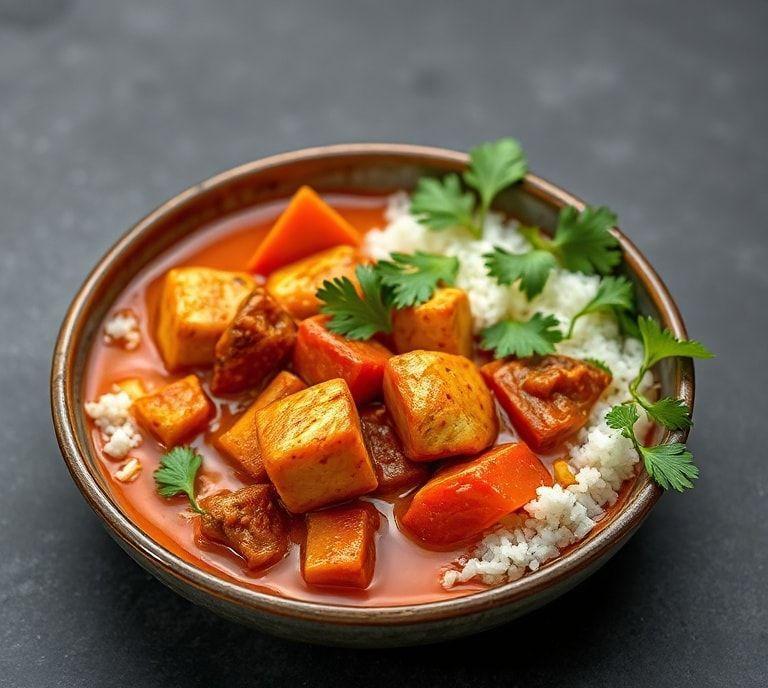
If you’ve ever walked into an Asian grocery store, you’ve probably been hit by the vivid smell of spices-ginger, garlic, turmeric, and lemongrass. That’s the magic of red curry in the making. I still remember the first time I made this vegetarian red curry. It was a chilly evening, and I was craving something comforting but with a little spice. The red curry paste was a new ingredient for me back then, but the second I stirred it into my pan, I felt like I’d discovered something magical. The complex flavors of this curry balance beautifully, giving you that heat you crave without overwhelming the senses.
This recipe is a fantastic base, and you can easily swap in your favorite vegetables or protein options. It’s adaptable and perfect for everything from weeknight dinners to impressing guests on a Sunday afternoon. Here’s my take on a simple, flavorful red curry that’s perfect for vegetarians or anyone looking for a lighter meal.
Ingredients Needed
Before we dive into the cooking instructions, let’s take a look at the ingredients. You might find a few new things here if you’ve never made red curry, but I promise, they’re easy to track down at your local grocery store or online. Don’t be intimidated; most of the items are pantry staples or easily found at an Asian market.
- Red Curry Paste (2-3 tablespoons): This is your flavor powerhouse. The paste is made from dried red chilies, garlic, shallots, lemongrass, ginger, and sometimes shrimp paste. It’s tangy, slightly spicy, and packed with layers of flavor.
- Coconut Milk (1 can, 13.5 oz): The creamy base of the curry. It provides the luscious texture and balances out the heat from the curry paste.
- Tofu (14 oz block, firm): Tofu absorbs the flavors of the curry and provides a lovely texture. If you’re not into tofu, you can use tempeh or a variety of vegetables, but tofu really shines in this dish.
- Vegetables: I like using bell peppers (1 red, 1 yellow), zucchini (1 medium), and carrots (2 medium). These hold their shape well in curry and bring a beautiful crunch and color.
- Garlic (3 cloves, minced) and Ginger (1-inch piece, grated): These aromatic ingredients create the foundation for the curry’s flavor.
- Vegetable Broth (2 cups): This will help build the curry base and keep it from getting too thick.
- Soy Sauce (2 tablespoons): A touch of soy sauce adds umami and depth.
- Lime (1, juiced): This adds a refreshing, tangy kick that brightens the entire dish.
- Fresh Basil (handful, chopped): A finishing touch that brings an herby freshness.
- Chili Pepper (optional): If you like extra heat, a fresh chili sliced on top adds a punch.
Cooking Instructions
Now comes the fun part! The process is straightforward, but the payoff is massive. If you’re looking for a recipe that lets you chop, toss everything into a pan, and have it come together effortlessly, this is the one.
- Prepare Your Ingredients: Start by cutting the tofu into cubes and pressing it gently to remove excess moisture. I always find pressing tofu for at least 10 minutes makes a huge difference in texture. Slice your vegetables (peppers, zucchini, and carrots) into bite-sized pieces. Have your garlic and ginger minced and grated, and set aside.
- Cook the Tofu: Heat a little oil in a large pot or deep skillet over medium heat. Add the tofu cubes and cook for about 5-7 minutes, turning occasionally until they’re golden on all sides. Remove them and set them aside for now.
- Sauté the Aromatics: In the same pan, add a little more oil, then toss in the garlic and ginger. Sauté them for 1-2 minutes until fragrant. This is where the magic starts, as these ingredients will form the flavor base for the entire dish.
- Add the Curry Paste: Now, it’s time to introduce that rich red curry paste. Stir it in with the garlic and ginger, and let it cook for another 1-2 minutes. The paste will start to bloom and release its oils, and that’s when you know it’s working its magic.
- Add Coconut Milk and Broth: Pour in the coconut milk and vegetable broth. Stir to combine, scraping up any bits from the bottom of the pan. Bring it to a simmer.
- Cook the Vegetables: Add the sliced bell peppers, zucchini, and carrots to the curry sauce. Let everything cook for about 10 minutes or until the veggies are tender but still crisp. You don’t want them mushy.
- Finish the Dish: Add the cooked tofu back into the curry. Stir gently to coat everything. Drizzle in the soy sauce and lime juice, then let the curry simmer for a few more minutes to combine the flavors.
- Serve and Garnish: Ladle the curry into bowls and sprinkle with fresh basil and any extra chili if you want more heat. Serve with jasmine rice or noodles, and enjoy!
Ingredient Science Spotlight
Each ingredient in this recipe plays a role, contributing not just flavor, but texture and even health benefits. Let’s take a quick look at a few highlights:
- Coconut Milk: This creamy base is packed with medium-chain triglycerides (MCTs), which are a type of fat that’s easily absorbed and converted into energy. It’s also high in antioxidants, which help to fight inflammation. Plus, it balances the heat of the curry paste, giving the dish that luxurious mouthfeel.
- Tofu: This humble block of soy protein is a powerhouse. Tofu is rich in plant-based protein and contains all nine essential amino acids, making it an excellent source of protein for vegetarians. It also absorbs the flavors of the curry beautifully, making it the perfect vehicle for the bold spices.
- Lime: A squeeze of lime at the end of cooking not only brightens the dish, but it adds a dose of vitamin C and antioxidants. It’s a great way to add acidity and cut through the richness of the coconut milk.
- Red Curry Paste: The base of red curry paste is usually made with red chilies, which are high in capsaicin, a compound known for its metabolism-boosting properties. It can also help with pain relief and has been linked to improving heart health.
Expert Tips
- Don’t Skimp on the Red Curry Paste: If you want a bold, flavorful curry, use enough paste. It’s tempting to cut back, but the paste is what gives the dish its signature flavor, so don’t be afraid to use a generous amount.
- Use Fresh Tofu: Fresh tofu, especially if it’s well-pressed, will give you the best texture. If it’s too soft or mushy, it won’t hold up as well in the curry.
- Customize the Heat: Depending on how spicy you like things, you can adjust the amount of curry paste or add in fresh chilies at the end. Always taste and adjust as you go.
- Let it Simmer: The longer the curry simmers, the more the flavors will meld together. I recommend letting it simmer for at least 10 minutes, but 20-30 minutes will deepen the flavors even more.
- Go for Color: Choose vibrant vegetables for an eye-catching curry that’s as beautiful as it is delicious. The more color you have, the more nutrients you’re packing into each bite!
Recipe Variations
This curry is so adaptable that you can switch up the ingredients based on what you have on hand or your dietary preferences. Here are a few variations you might enjoy:
- Add Sweet Potatoes: Cubed sweet potatoes add a natural sweetness and heartiness to the curry. Plus, they complement the spice of the curry paste beautifully.
- Use Other Proteins: If you’re not a fan of tofu, tempeh, chickpeas, or even lentils are great alternatives. They’ll absorb the curry’s flavor and add substance to the dish.
- Substitute Coconut Milk: If you’re looking to cut back on the coconut milk, you can substitute with almond milk or even cashew cream for a lighter version of the curry.
- Make It Spicy: For those who like a serious kick, add some extra fresh chilies or a dash of chili flakes. You can also increase the curry paste for a bolder heat.
Final Words
There’s something really special about a bowl of homemade red curry. Whether you’re making it on a weekday after work or for a gathering of friends, it’s the kind of dish that brings people together. It’s easy to make, packed with flavor, and has that perfect balance of heat, creaminess, and freshness. Best of all, it’s completely customizable, so you can make it your own.
FAQs
What Vegetables Can I Use In A Red Curry Vegetarian Recipe?
In a red curry vegetarian recipe, you can use a variety of vegetables such as bell peppers, zucchini, carrots, eggplant, sweet potatoes, cauliflower, and mushrooms. Leafy greens like spinach or bok choy also work well. The key is to use a mix of colorful, firm vegetables that hold up well to the simmering curry sauce.
Can I Make A Red Curry Vegetarian Recipe Without Coconut Milk?
Yes, you can make a red curry without coconut milk, although it will have a different texture and flavor. You could substitute with vegetable broth, almond milk, or cashew cream for a lighter, dairy-free alternative. Adding a bit of tahini or peanut butter can help replicate the richness of coconut milk.
How Do I Make A Red Curry Vegetarian Recipe Spicier Or Milder?
To adjust the spice level of your red curry, you can modify the amount of red curry paste used. For a spicier dish, increase the amount of curry paste or add fresh chili peppers. If you prefer a milder flavor, reduce the curry paste and add more coconut milk or vegetable broth to balance out the heat. You can also use a sweet variety of chili paste for a gentler flavor.