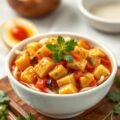
Have you ever been in the mood for something that’s crispy, comforting, and just a little bit nostalgic? For me, croquettes are one of those foods that bring back memories of long afternoons spent cooking in the kitchen with family. The sizzle of the oil, the satisfying crunch as you bite into them, and the warm, creamy filling inside-it’s like a little bit of magic on a plate.
Now, as much as I love the classic versions of croquettes made with meat or seafood, there’s something so rewarding about putting a vegetarian twist on them. It allows you to explore flavors that are just as rich and satisfying, without the need for any animal products. These vegetarian croquettes are not only delicious but incredibly versatile. Whether you serve them as a snack, an appetizer, or a full meal, they never disappoint.
So, let’s get into it-let me guide you through how to make these crispy, golden-brown delights from scratch. Trust me, once you get the hang of it, they’ll become a regular on your menu.
Vegetarian Croquettes Recipe

Creating the perfect vegetarian croquette is all about balance. You need a crispy exterior, a rich filling, and a flavor that lingers just enough to keep you coming back for more. The beauty of this recipe is that it’s simple, customizable, and packed with flavor. Let’s break it down.
Ingredients Needed
- 2 cups mashed potatoes – The base of the croquette, giving it that comforting, creamy texture.
- 1 medium onion, finely chopped – This will add a little sweetness and depth to the flavor.
- 1 cup cooked spinach or peas (or a mix of both) – You could use kale, zucchini, or any other veggie you like, but I love spinach and peas for their color and earthiness.
- ½ cup grated cheese – Choose a cheese that melts well, like mozzarella or cheddar, or if you’re keeping it fully vegan, a plant-based cheese will do the trick.
- 2 cloves garlic, minced – Because let’s face it, garlic makes everything better.
- 1 tablespoon olive oil – For sautéing the onion and garlic.
- Salt and pepper – To taste.
- 1 cup breadcrumbs – For that perfect crispy exterior.
- 1 cup flour – For dredging the croquettes before frying.
- 2 eggs, beaten (or flax eggs for a vegan version) – This helps bind everything together.
- Vegetable oil – For frying. You want enough to submerge the croquettes for that crispy, golden finish.
Cooking Instructions
- Start with the mashed potatoes. The best croquettes have smooth, creamy mashed potatoes as their base. If you’re not using leftovers, peel and boil your potatoes until they’re soft, then mash them with a pinch of salt and a little bit of butter or olive oil to make them extra smooth.
- Sauté the onion and garlic. In a skillet, heat the olive oil over medium heat. Add the onion and garlic, cooking them until the onion is soft and translucent. This step brings out their natural sweetness, creating a flavor foundation for your croquettes.
- Prepare the filling. Once the onions and garlic have cooled down a bit, combine them with the mashed potatoes in a large bowl. Stir in the cooked spinach (or peas), grated cheese, and any seasonings like salt, pepper, and maybe a pinch of nutmeg. You can even sneak in some fresh herbs like parsley or thyme if you’re feeling fancy.
- Shape the croquettes. Now comes the fun part-shaping. Take a small spoonful of the potato mixture and roll it between your hands to form small logs or balls, about 2 inches in length. If the mixture is too sticky, lightly dust your hands with flour to make shaping easier.
- Dredge and fry. Set up a breading station with the flour, beaten eggs, and breadcrumbs. Dip each croquette first into the flour, then into the beaten eggs, and finally coat it in breadcrumbs. Make sure each croquette is well-covered.
- Fry to perfection. Heat enough vegetable oil in a frying pan to cover the bottom and allow the croquettes to float slightly. Fry the croquettes in batches, turning them until they’re golden brown on all sides. This should only take a few minutes per batch, so don’t wander off!
- Drain and serve. Once fried, place the croquettes on a paper towel to drain excess oil. Serve them hot with a tangy dipping sauce, or on their own with a side salad for a complete meal.
Ingredient Science Spotlight
Now, let’s dive into some of the science behind this dish. The key ingredient here, and the one that gives croquettes their signature creamy texture, is the potato. When you cook potatoes, the starches gelatinize, making them soft and fluffy. This texture helps bind everything together, so you can shape the mixture into perfect little croquettes that hold up during frying.
Onions are another ingredient that plays a pivotal role. They’re mostly water, but as they cook, the water evaporates, and sugars within the onion caramelize. This process creates that sweet, rich flavor you’re probably familiar with. When added to the mashed potatoes, it enhances the overall depth of the dish.
As for the breadcrumbs, they’re there for crunch. They create a crisp outer layer that contrasts beautifully with the soft filling inside. This crispy coating is achieved through the breading process and deep frying, which turns the breadcrumbs golden brown and delicious.
Expert Tips
- Don’t skip the cooling step. After you’ve shaped your croquettes, if you have time, refrigerate them for at least 30 minutes before frying. This helps them firm up, preventing them from falling apart in the hot oil.
- Experiment with fillings. While spinach and peas are classic choices, there’s so much room for creativity. Mushrooms, corn, or even roasted butternut squash would make wonderful alternatives.
- Use high-quality oil. The oil you fry in makes a huge difference. Opt for an oil with a high smoke point, like sunflower oil or peanut oil, to ensure your croquettes crisp up without absorbing too much oil.
- Don’t crowd the pan. Fry in batches. If you overcrowd the pan, the temperature of the oil will drop, and you won’t get that perfect golden exterior.
Recipe Variations
- Vegan Croquettes: Swap the mashed potatoes for a plant-based version (use non-dairy butter or olive oil), and replace the cheese with nutritional yeast or vegan cheese. Flax eggs or chia eggs work perfectly as an egg substitute.
- Cheese and Herb Croquettes: Add fresh herbs like rosemary, thyme, or parsley to the potato mixture, and swap the cheese for a sharper variety, such as a sharp cheddar or a tangy goat cheese for an extra burst of flavor.
- Sweet Potato Croquettes: For a twist, try using mashed sweet potatoes instead of regular potatoes. Their natural sweetness pairs well with savory fillings like sautéed spinach or mushrooms.
- Spicy Croquettes: Add a dash of cayenne pepper or some finely chopped fresh chili to the potato mixture for a little kick. Pair them with a cooling yogurt dip to balance the heat.
Final Words
If you’ve never made croquettes before, this recipe is a great place to start. It’s simple, yet deeply satisfying. And the best part? Once you master this recipe, you can experiment with all kinds of fillings and flavors. Whether you keep them classic or make them your own, you’ll always have a crispy, comforting snack or meal to fall back on.
FAQs
What Ingredients Are Commonly Used In Vegetarian Croquettes?
Vegetarian croquettes typically include a combination of vegetables such as potatoes, carrots, peas, and corn. They are often bound with ingredients like cheese, breadcrumbs, eggs (or egg substitutes), and seasonings including salt, pepper, garlic, and herbs. Some variations may incorporate legumes like chickpeas or lentils for added protein.
How Can I Make Vegetarian Croquettes Crispy Without Deep Frying?
To achieve a crispy texture without deep frying, you can bake the croquettes in the oven at 200°C (400°F) for 20-25 minutes, flipping halfway through, or use an air fryer. Lightly brushing or spraying the croquettes with oil before baking helps them develop a golden, crunchy exterior while keeping them healthier than traditional frying.
Can Vegetarian Croquettes Be Prepared In Advance And Frozen?
Yes, vegetarian croquettes can be made ahead of time. After shaping them, arrange them on a baking sheet and freeze until solid. Once frozen, transfer them to an airtight container or freezer bag. They can be baked or fried directly from frozen, though baking may require a few extra minutes to ensure they are heated through and crispy.