Growing up, Cuban food always felt like a celebration, like a song that had been passed down through generations. The vibrant colors, the enticing aromas, and the layers of flavor in every bite-Cuban food is more than just a meal; it’s an experience. The warm, comforting embrace of rice and beans, the tangy sweetness of plantains, and the deep savor of spices-these are the things that come to mind when I think of Cuban cooking. But, as someone who made the transition to a vegetarian lifestyle, I soon realized that the rich, meaty dishes I had always loved could be adapted into a plant-based version without losing any of their soul. Today, I’m sharing with you my twist on a classic vegetarian Cuban recipe that I hope brings a bit of sunshine and comfort to your kitchen. Ready to dive in? Let’s get cooking!
Vegetarian Cuban Food Recipe
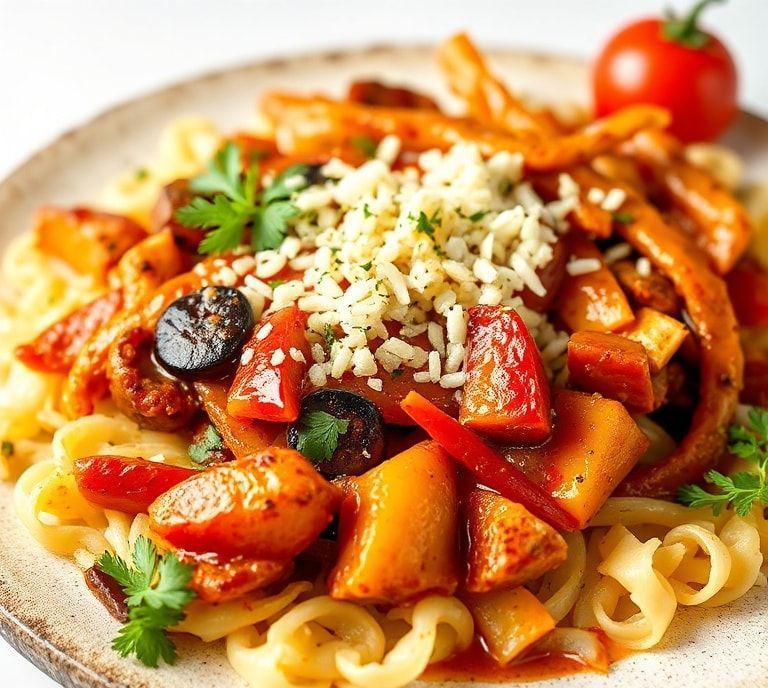
Cuban cuisine, while traditionally meat-heavy, offers a treasure trove of vegetarian-friendly options-if you know where to look. One of my favorite dishes to adapt into a vegetarian version is Arroz con Vegetales (Cuban Vegetable Rice). It’s a simple yet flavorful dish that encapsulates the essence of Cuban cooking with its savory rice, bell peppers, onions, garlic, and a dash of cumin. When I first made it, I was stunned at how such a humble dish could bring so much joy to my palate. It’s easy to make, incredibly versatile, and perfect for a weeknight dinner or even a special occasion.
Let’s walk through the steps together, so you can see how to bring this dish to life in your own kitchen.
Ingredients Needed
Here’s the ingredient list you’ll need for the vegetarian Arroz con Vegetales:
- 1 cup long-grain white rice
- 1 tablespoon olive oil
- 1 small onion, diced
- 1 bell pepper (red or green), diced
- 2 cloves garlic, minced
- 1 medium tomato, chopped (or 1/2 cup canned diced tomatoes)
- 1/2 cup frozen peas (or fresh if you prefer)
- 1/2 teaspoon cumin
- 1/4 teaspoon paprika
- Salt and pepper, to taste
- 2 cups vegetable broth (for extra flavor, use homemade or a good-quality store-bought one)
- 1 bay leaf
- 1/4 cup chopped fresh cilantro (optional, but highly recommended)
- Lime wedges for garnish (optional, but adds a nice zesty kick)
It’s a simple list, but don’t let that fool you. Each ingredient plays a key role in layering flavors, from the earthiness of cumin to the brightness of fresh cilantro.
Cooking Instructions
- Prep the ingredients: Start by prepping everything before you get going. Dice the onion, bell pepper, and tomato. Mince the garlic. This makes cooking go smoothly and quickly. You’ll thank yourself later.
- Sauté the veggies: In a large pot or deep skillet, heat up the olive oil over medium heat. Add the diced onion and bell pepper and sauté them for about 5 minutes, until they start to soften and become fragrant. Add the garlic, and cook for another 30 seconds-don’t let it burn, as garlic can turn bitter if overcooked.
- Season: Stir in the cumin, paprika, salt, and pepper. You’ll notice the spices instantly start to perfume the air. The cumin brings a smoky depth that makes the dish feel warm, while the paprika adds a subtle sweetness.
- Add the rice: Stir the rice into the sautéed veggies, making sure each grain gets coated with the olive oil and spices. Let it cook for 1-2 minutes to toast the rice slightly, adding to its flavor profile.
- Simmer the rice: Add the chopped tomato (or canned tomatoes), frozen peas, vegetable broth, and bay leaf. Stir everything together, then bring it to a simmer. Reduce the heat to low, cover the pot, and let it cook for about 18-20 minutes, or until the rice is tender and has absorbed all the liquid.
- Finishing touches: Once the rice is done, remove it from heat and let it sit, covered, for about 5 minutes. This helps the flavors meld. Then, fluff the rice with a fork and remove the bay leaf.
- Garnish and serve: Stir in the fresh cilantro for a burst of color and flavor, and serve with lime wedges on the side for that perfect finishing touch.
Ingredient Science Spotlight
Let’s take a moment to appreciate the science behind some of these ingredients. Take rice, for example. When you cook rice, the starches in the grains absorb water, swell up, and eventually break down to create the soft, fluffy texture we all love. But not all rice is created equal. Long-grain rice, like the kind used in this recipe, has a higher starch content compared to short-grain rice, making it light and fluffy once cooked.
Then there’s cumin, a spice with a deep, warm, earthy flavor. When toasted in oil, like in this recipe, cumin releases essential oils that intensify its flavor. The same goes for garlic-when minced and sautéed, it breaks down into allicin, the compound responsible for that wonderful, aromatic punch that makes the dish so irresistible.
Expert Tips
- Layer the flavors: Don’t rush through the seasoning. When you toast the rice with the spices, it creates a flavorful base that infuses every bite. Try toasting your spices in oil for just a minute or so-it makes a huge difference in the depth of flavor.
- Add variety: The beauty of this recipe is that it’s very versatile. Feel free to throw in some diced sweet potato, zucchini, or even eggplant. You can also add a handful of olives for a little briny pop.
- Adjust the liquid: If you prefer your rice a bit more on the moist side, feel free to add a touch more broth. Just remember to keep an eye on it to avoid it becoming too soupy.
- Make it ahead of time: Like many rice dishes, this one actually gets better with time. If you have leftovers, the flavors continue to develop, and the rice gets even tastier the next day.
Recipe Variations
- Add Beans: To make it heartier, add black beans or kidney beans towards the end of cooking. The beans not only pack in protein but also absorb the lovely flavors of the broth and spices.
- Smoky Touch: For a smokier version, try adding some smoked paprika or even a little chipotle pepper powder. It’ll give the dish a nice kick and depth.
- Coconut Rice: Swap out the vegetable broth for coconut milk, and you’ve got yourself a tropical version of Arroz con Vegetales. The coconut milk adds richness and a touch of sweetness.
Final Words
Cuban food has a special way of making you feel like you’re sitting at the family table, sharing stories, and savoring the moment. Arroz con Vegetales is one of those dishes that carries the spirit of Cuba without being complicated. It’s hearty, vibrant, and full of flavor-everything you could want in a vegetarian meal. Whether you’re cooking for yourself, family, or friends, this dish is guaranteed to bring people together and leave everyone asking for seconds.
FAQs
What Are Some Traditional Cuban Dishes That Can Be Made Vegetarian?
Traditional Cuban dishes that can be adapted for a vegetarian diet include ’Ropa Vieja’ made with jackfruit instead of beef, ’Picadillo’ using lentils or textured vegetable protein, and “Moros y Cristianos”, a rice and black bean dish. Many Cuban recipes rely on beans, rice, vegetables, and flavorful seasonings, making them naturally adaptable for vegetarian cooking.
What Are Key Ingredients For Vegetarian Cuban Cuisine?
Key ingredients include black beans, white rice, plantains, bell peppers, onions, garlic, tomatoes, cumin, oregano, olive oil, and lime. These ingredients form the foundation for many Cuban dishes and provide the distinctive savory, slightly sweet, and aromatic flavors typical of Cuban cuisine while keeping the recipes vegetarian.
Are There Any Tips For Making Cuban Recipes Vegetarian Without Losing Flavor?
Yes, to maintain authentic flavor, use vegetable broth instead of meat-based broth, incorporate smoked paprika or liquid smoke for depth, sauté vegetables slowly to develop sweetness, and season generously with herbs like oregano and bay leaves. Using ingredients like mushrooms, tofu, or jackfruit can mimic the texture of meat in traditional dishes.