When it comes to the vibrant world of Indonesian cuisine, it’s easy to be overwhelmed by the dazzling array of flavors. But what if I told you that you could experience all of this, without needing to worry about meat or fish? That’s the beauty of Indonesian vegetarian dishes. They blend bold spices, rich textures, and fresh ingredients into something absolutely unforgettable.
I have a soft spot for Indonesian food, partly because of my first experience with it. A few years ago, I visited Bali and stayed with a local family who introduced me to the simple pleasures of a traditional vegetarian meal. I remember sitting around a wooden table, with rice freshly steamed and a dish of tempeh-fermented soybeans that were crispy on the outside, yet tender inside. The flavors were so complex, and the experience of tasting something so fresh and authentic was a game-changer for me.
So, in the spirit of that meal, I wanted to share a recipe with you-one that brings a slice of Indonesia to your kitchen, but without the meat. This vegetarian recipe is a perfect balance of texture, spice, and flavor, and it showcases the heart and soul of Indonesian cooking.
Indonesian Vegetarian Recipe
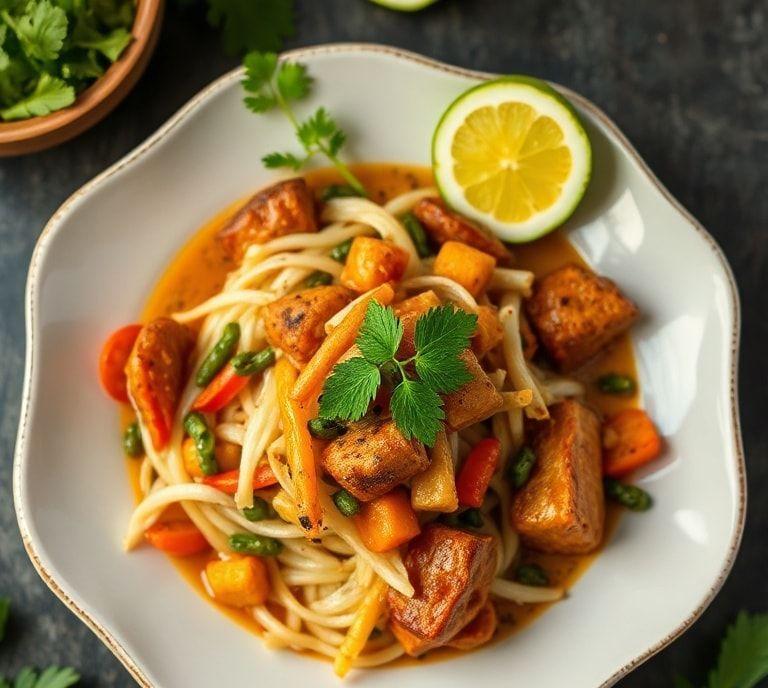
The dish I’m about to share is called Gado-Gado, a traditional Indonesian salad that’s loaded with fresh vegetables and topped with a rich, peanut-based dressing. It’s a harmonious blend of sweet, savory, crunchy, and smooth textures. Gado-Gado is often served as a light meal or a snack, but with the right ingredients, it can easily become a fulfilling dinner. The beauty of it lies in its versatility-each bite brings a burst of fresh flavor, and that peanut dressing is downright addictive.
Ingredients Needed
- Rice cakes (or lontong): These are compressed rice cakes, and they give the dish a nice chewy texture that balances out the crisp veggies. If you can’t find lontong, you can substitute with steamed jasmine rice, but it won’t have quite the same effect.
- Cabbage: Thinly sliced. It adds crunch and a mild bitterness that complements the other ingredients beautifully.
- Carrots: Shredded. Their natural sweetness is a lovely contrast to the savory components of the dish.
- Boiled potatoes: These add a creamy richness that rounds out the salad.
- Tofu (preferably fried): Tofu is a great plant-based protein that soaks up the flavors of the dressing while adding an important protein component.
- Boiled eggs (optional for a vegan version): I like the addition of eggs for extra protein and richness, but you can skip these if you’re looking for a fully vegan dish.
- Cucumber: Sliced thin, to add a refreshing crunch and mild flavor.
- Tomatoes: Sliced into wedges, for a juicy burst of freshness.
For the peanut dressing:
- Peanut butter (preferably smooth and unsweetened): This is the backbone of the dressing.
- Soy sauce: It adds that deep umami flavor, giving the dressing a savory depth.
- Tamarind paste: This is what gives the dressing its tangy edge, and it’s so typical in Indonesian cuisine.
- Brown sugar: Just a touch of sweetness to balance the flavors.
- Garlic: Minced finely. Its pungent aroma will infuse the dressing with a savory kick.
- Lime juice: Fresh lime juice for a zesty finish.
- Chili (optional): If you like your dressing with a little heat, add some fresh chili or chili paste.
Cooking Instructions
- Prepare the Rice Cakes: Start by steaming the rice cakes or preparing your rice. If using lontong, cut the rice cakes into bite-sized pieces once they’re cooked. Otherwise, prepare your jasmine rice and set it aside.
- Prep the Vegetables: While the rice cakes or rice are steaming, chop your cabbage, carrots, cucumber, and tomatoes. Don’t be afraid to make these pieces a little larger-it’s nice to have some bite in each mouthful.
- Fry the Tofu: Heat some oil in a pan and fry the tofu until golden brown and crispy on the outside. Once done, cut them into cubes or strips, whichever you prefer.
- Boil the Potatoes: In a separate pot, boil the potatoes until they’re tender but still hold their shape. Once done, peel and chop them into bite-sized pieces.
- Make the Peanut Dressing: In a small saucepan, heat a little oil and sauté the minced garlic until fragrant. Add in the peanut butter, soy sauce, tamarind paste, brown sugar, lime juice, and chili. Stir everything together until smooth. If it’s too thick, thin it out with a little water. Taste it and adjust the seasoning-add more sugar if it’s too tangy, or more soy sauce if you need saltiness.
- Assemble the Dish: To serve, layer the rice cakes or rice on a plate, and then pile on the veggies, tofu, and boiled potatoes. Drizzle generously with the peanut dressing, and if you like, garnish with chopped peanuts and fresh cilantro for a little crunch and color.
Ingredient Science Spotlight
Each ingredient in Gado-Gado serves a distinct purpose, both in flavor and in texture. Take the tofu, for example. It’s a plant-based protein that absorbs the flavors around it. When fried, it gets crispy on the outside, which provides a wonderful contrast to the creamy potatoes and soft rice cakes. Tofu’s mild flavor makes it the perfect carrier for the rich peanut dressing.
Then, there’s the tamarind paste in the dressing. Tamarind is a fruit with a sharp, tangy flavor, and it’s a common ingredient in Southeast Asian cooking. It adds a layer of acidity that balances out the richness of the peanut butter. The combination of sweet, salty, sour, and spicy makes Indonesian food so addictively delicious-it’s a dance of flavors in every bite.
The cabbage and carrots add freshness and crunch to the dish, helping to cut through the richness of the dressing. Their texture contrasts beautifully with the creamy potatoes and tofu, giving you that perfect mouthfeel.
Expert Tips
- Tofu Tip: If you’re looking to make your tofu extra crispy, press it before frying. This removes excess moisture, allowing the tofu to crisp up perfectly. If you want to go a step further, marinate the tofu in a little soy sauce and garlic for extra flavor before frying.
- Dressing Consistency: If the peanut dressing feels too thick, you can always thin it with a little coconut milk or water. Just be sure to keep the balance of flavors intact.
- Make It Ahead: Gado-Gado is one of those dishes that tastes even better the next day because the flavors have had time to meld together. If you’re making this for a dinner party or a family meal, prepare the veggies and tofu ahead of time and assemble the dish just before serving.
- Customize Your Veggies: Don’t be afraid to throw in other vegetables you might have lying around-blanched spinach, bell peppers, or even some steamed broccoli would all work wonderfully here.
Recipe Variations
- Vegan Version: Skip the eggs and swap in more tofu or tempeh for extra protein. You can also use a soy-based peanut butter to keep everything plant-based.
- Gado-Gado with Noodles: Add some cooked rice noodles to the dish to make it more filling. The noodles soak up the peanut sauce and give the dish a delightful texture.
- Spicy Gado-Gado: For those who like things on the fiery side, add more fresh chili or chili paste to the dressing. You could also top the salad with some chili flakes for an extra kick.
Final Words
Gado-Gado is a dish that transcends time and geography. It’s humble, yet rich with flavor. Every bite is a reflection of Indonesia’s culinary diversity, from its sweet-savory dressings to its fresh vegetables. Whether you’re making it for a casual meal at home or preparing it for friends, it’s sure to be a hit.
FAQs
What Are Some Popular Indonesian Vegetarian Dishes?
Popular Indonesian vegetarian dishes include Gado-Gado, a salad of steamed vegetables served with peanut sauce; Tempeh Goreng, deep-fried fermented soybean cakes; Sayur Lodeh, a coconut milk-based vegetable stew; and Tahu Isi, stuffed tofu. These dishes often emphasize fresh vegetables, tofu, tempeh, and traditional Indonesian spices.
How Can I Make Indonesian Recipes Vegetarian Without Losing Authentic Flavors?
To make Indonesian recipes vegetarian while retaining authentic flavors, replace meat or seafood with tofu, tempeh, or mushrooms. Use vegetable stock instead of chicken or beef broth. Traditional seasonings like lemongrass, kaffir lime leaves, galangal, turmeric, chili, and sweet soy sauce can provide depth and authenticity even without animal products.
Are Indonesian Vegetarian Recipes Suitable For People With Dietary Restrictions Like Gluten-free Or Vegan?
Many Indonesian vegetarian recipes are naturally vegan, using plant-based ingredients like tofu, tempeh, vegetables, and coconut milk. For gluten-free adaptations, avoid soy sauce containing wheat and substitute with gluten-free tamari or coconut aminos. Dishes like Gado-Gado and Sayur Lodeh can be easily modified to fit both vegan and gluten-free diets without compromising taste.