There’s something about the simplicity of a Vegetarian Margherita pizza that takes me back to my first real experience with making pizza from scratch. It was a lazy Saturday afternoon. The kind of day that begged for homemade comfort food but also demanded minimal effort. I stood there in the kitchen, fingers covered in flour, wondering if I could recreate the perfect pizza like the ones I’d had in those cozy little Italian pizzerias. The moment I bit into the warm, crispy crust, soft mozzarella, and fragrant basil, I knew that I had found my pizza calling.
A Margherita pizza, in its classic form, is deceptively simple, yet packed with flavors that come alive with every bite. And there’s something satisfying about the process-kneading the dough, watching the cheese melt just right, and savoring that fresh tomato and basil combination. It’s like you’ve taken a journey to Italy, all from the comfort of your own kitchen. Let me take you through this recipe so you can make your own slice of Italy, no passport required.
Pizza Vegetarian Margherita Recipe
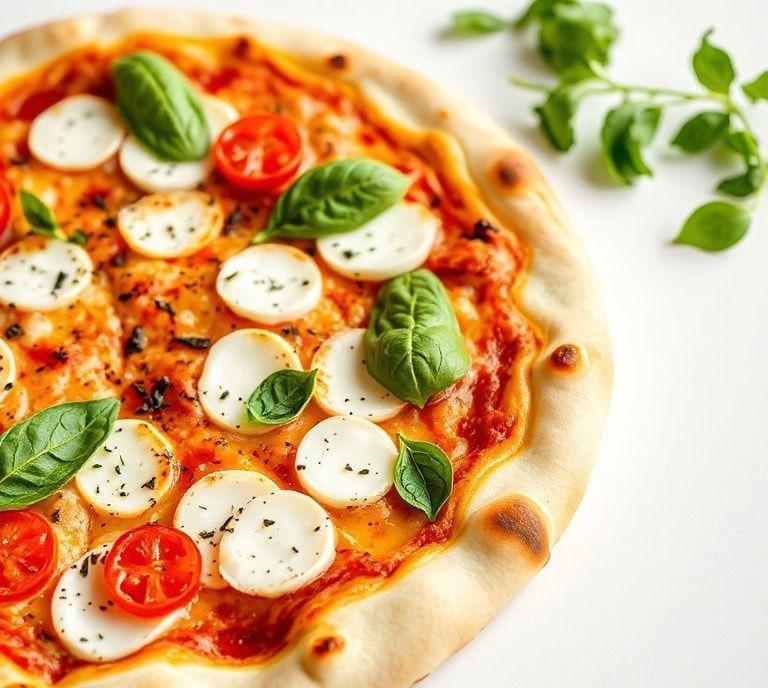
The Vegetarian Margherita pizza recipe is one of those that people assume is either too simple to be delicious or just too complicated to make at home. In reality, it’s the perfect balance of effort and reward. The beauty lies in the quality of your ingredients and the methodical layering of flavors. I’ve made this recipe countless times, and it’s always the one that pulls me back to the kitchen for another round.
Whether you’re looking for an afternoon activity or an easy dinner, this pizza is a great choice. It’s fresh, flavorful, and packed with the essence of what makes Italian food so timeless.
Ingredients Needed
This is where things get fun. With a Margherita pizza, the ingredients are simple, but they need to be the best you can find. It’s one of those dishes where the freshness of every ingredient makes a noticeable difference. Here’s what you’ll need:
- Pizza Dough (1 batch, homemade or store-bought)
- Fresh Mozzarella Cheese (about 200g – you want the soft, creamy kind, not the shredded stuff)
- Fresh Basil Leaves (about 10-12 leaves, ideally whole)
- Tomato Sauce (I prefer a rich, smooth sauce, ideally made with San Marzano tomatoes)
- Extra Virgin Olive Oil (for drizzling, and to bring it all together)
- Sea Salt and Freshly Ground Black Pepper (to taste)
The ingredients list is short, but don’t let that fool you. Each one plays a crucial role in crafting a pizza that’s bursting with flavor. Fresh basil adds that signature aroma, the mozzarella turns into gooey goodness, and the tomato sauce binds it all together.
Cooking Instructions
Now, here’s the fun part. Making the perfect Vegetarian Margherita pizza comes down to the art of balancing timing, temperature, and technique. It’s not just about throwing everything together and hoping for the best. Here’s a step-by-step guide to making your pizza:
- Preheat Your Oven: Start by preheating your oven to 250°C (482°F) or as high as it goes. You want the oven to be scorching hot when the pizza hits. If you have a pizza stone, use it. It’ll give you a crispier crust, but a baking sheet works too.
- Prepare Your Dough: If you’re using store-bought dough, make sure to let it come to room temperature. I’ve learned that cold dough is harder to stretch and doesn’t rise as well. Roll out your dough on a lightly floured surface. I like to use my hands to stretch the dough rather than a rolling pin-it helps preserve the air bubbles inside.
- Add the Sauce: Spread a thin layer of tomato sauce across the dough, leaving a small border around the edges. Don’t overdo it on the sauce, as you don’t want the dough to become soggy.
- Layer the Mozzarella: Tear the mozzarella into small pieces and distribute it evenly across the sauce. I always aim for uneven pieces so that you get some gooey, melty spots and some slightly firmer bites of cheese.
- Bake: Place the pizza in the oven for 8-10 minutes or until the crust is golden and the cheese is bubbling. Keep an eye on it-every oven is different, and you don’t want to overcook the pizza.
- Add Basil and Finish: Once the pizza is out of the oven, immediately scatter fresh basil leaves across the top. Drizzle with extra virgin olive oil and sprinkle a pinch of sea salt and freshly ground black pepper for that final burst of flavor.
Ingredient Science Spotlight
Let’s take a quick dive into the science behind a few of the key ingredients in this pizza. It’s easy to overlook, but there’s real magic going on in the combination of flavors and textures.
- Mozzarella: The magic of mozzarella lies in its high moisture content. This is what gives it that perfect melt and stringiness when it’s cooked. If you’ve ever had mozzarella that didn’t melt well, it was probably too dry. Fresh mozzarella, especially the kind packed in water, has a mild and creamy flavor that contrasts beautifully with the tangy tomato sauce.
- Tomato Sauce: The key to a great sauce is the quality of your tomatoes. San Marzano tomatoes, grown in volcanic soil near Mount Vesuvius, are considered the gold standard. They’re naturally sweet, and they hold up well in cooking, which means you don’t need to add much to make them shine. Just a pinch of salt and a bit of olive oil can turn them into the perfect sauce base.
- Basil: Fresh basil adds an aromatic freshness that you can’t substitute. The essential oils in basil are released when it’s torn, which enhances the flavor when added to the pizza after baking. Be careful not to add basil before baking-it can burn and lose its delicate flavor.
Expert Tips
- Use a Pizza Stone: If you can, invest in a pizza stone. It holds the heat and helps crisp up the crust, giving it that restaurant-quality texture.
- Preheat Your Oven for at Least 30 Minutes: The hotter your oven, the better the crust will be. If you don’t have a pizza stone, use an inverted baking sheet to get a similar effect.
- Don’t Overload with Toppings: One of the common mistakes people make with pizza is overloading it with too many toppings. The beauty of a Margherita pizza is its simplicity. Less is more.
- Let the Dough Rest: If you’re making the dough from scratch, let it rise slowly in the fridge overnight. This slow fermentation adds a depth of flavor to the crust that a quick rise just can’t match.
Recipe Variations
Once you’ve mastered the classic Vegetarian Margherita pizza, you can experiment with some fun variations. Here are a few ideas to get you started:
- Veggie Supreme Margherita: Add some sautéed mushrooms, spinach, and a few slices of red onion for a veggie-packed twist.
- Garlic and Herb: Before baking, sprinkle some minced garlic and dried oregano over the sauce for extra flavor.
- Truffle Margherita: Drizzle a little truffle oil over the pizza right before serving. The earthy richness will take your Margherita pizza to a whole new level.
- Smoked Mozzarella: Replace the fresh mozzarella with smoked mozzarella for a deeper, more complex flavor.
Final Words
Making a Vegetarian Margherita pizza is a small joy that brings together the best of simple, high-quality ingredients. It’s not just about putting toppings on dough-it’s about creating something that feels like an experience in itself. Whether you’re sharing it with friends or enjoying a quiet night in, this pizza is the kind of food that comforts you without any pretension.
And honestly, there’s no feeling quite like pulling a freshly baked pizza out of the oven, the cheese bubbling, the basil still fresh, and the aroma filling your kitchen. It’s a reminder that sometimes, the best things in life are the simplest.
FAQs
What Ingredients Are Essential For Making A Traditional Vegetarian Margherita Pizza?
A traditional vegetarian Margherita pizza requires a few key ingredients: fresh pizza dough, high-quality tomato sauce, fresh mozzarella cheese, fresh basil leaves, extra virgin olive oil, and a pinch of salt. Optionally, some recipes use a little grated Parmesan or a drizzle of balsamic reduction for extra flavor.
How Do I Ensure The Pizza Dough Is Soft And Chewy For A Margherita Pizza?
To achieve a soft and chewy pizza dough, use a high-protein flour such as bread flour, and allow the dough to rise slowly, ideally overnight in the refrigerator. Knead the dough thoroughly to develop gluten, which gives it structure, and bake the pizza at a high temperature (around 250°C / 480°F) on a preheated pizza stone or baking tray to mimic a traditional pizza oven.
Can I Make A Vegetarian Margherita Pizza Without Fresh Mozzarella?
Yes, you can substitute fresh mozzarella with other types of cheese such as shredded low-moisture mozzarella, ricotta, or even a plant-based mozzarella alternative if you prefer a vegan option. Keep in mind that fresh mozzarella provides a creamier texture and a slightly tangy flavor that defines the traditional Margherita pizza.