There’s something undeniably comforting about a hearty, warm meal, especially when the weather starts to cool down. For me, one of those soul-soothing dishes is a butternut squash recipe. I’ve made it countless times, and each time I find myself thinking, this is the perfect fall meal. There’s a natural sweetness to the squash that pairs so beautifully with savory herbs and spices, not to mention the creamy texture when it’s roasted or pureed. It’s one of those dishes that makes you feel like you’re taking a bite of autumn itself. And the best part? It’s not only delicious, but it’s also incredibly versatile, and can easily be turned into a filling, satisfying vegetarian dish.
This recipe is one I keep coming back to. It’s a simple, no-fuss butternut squash vegetarian medley that lets the natural flavors shine. I’ve tested it over and over, tweaking small details here and there, and each time it’s been a hit, whether I’m serving it to a dinner party or just enjoying it on a quiet evening at home. In case you haven’t tried cooking with butternut squash yet, trust me: it’s a veggie that punches way above its weight, and once you master it, you’ll be tossing it into everything.
Butternut Squash Vegetarian Recipe
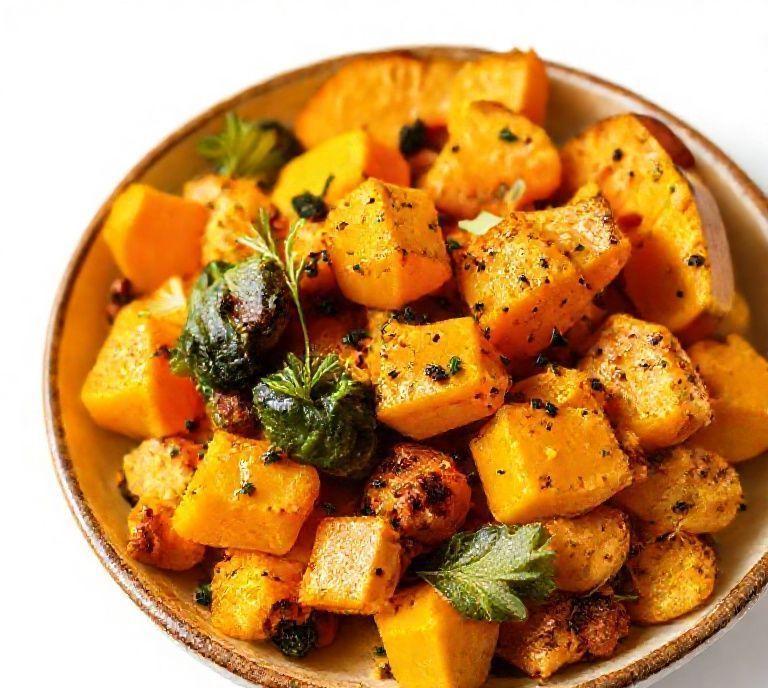
The butternut squash recipe I’m sharing today is my go-to fall favorite: Roasted Butternut Squash with Chickpeas and Sage. It’s simple but packed with flavor. The sweetness of the roasted squash contrasts perfectly with the savory, slightly earthy chickpeas, while crispy sage adds an unexpected, fragrant bite. If you haven’t paired squash with chickpeas before, you’re in for a treat. They complement each other beautifully, both in taste and texture. Plus, it’s all done in one sheet pan, making clean-up a breeze-because we all know the joy of minimal dishes.
This recipe is hearty enough to stand alone as a main course, but it also makes a great side dish, especially paired with a simple green salad or some warm quinoa. The best part? You can prep everything ahead of time and throw it in the oven when you’re ready to eat. No fuss, no stress-just the kind of meal you can’t help but look forward to.
Ingredients Needed
Before we dive into the steps, let’s talk about what you’ll need. There’s nothing overly complicated about the ingredients list, and you’ll likely find most of them already in your pantry. Here’s what to gather:
- 1 medium butternut squash, peeled and diced into cubes (about 1-inch size)
- 1 can of chickpeas (drained and rinsed)
- 1 small red onion, thinly sliced
- 2 tablespoons olive oil
- 1 teaspoon ground cumin
- 1 teaspoon smoked paprika
- ½ teaspoon ground cinnamon (trust me, this will elevate the sweetness of the squash)
- Fresh sage leaves (about 12-15 leaves, depending on size)
- Salt and pepper, to taste
- A drizzle of honey (optional, but adds a nice balance to the earthy flavors)
- Lemon wedges, for serving (the zest is a perfect contrast to the richness of the dish)
Cooking Instructions
- Preheat the oven to 400°F (200°C). This is key to getting that crispy, caramelized edge on the squash.
- Prepare the squash: Cut off both ends of the butternut squash, peel it with a sharp vegetable peeler, and slice it into manageable pieces. Cut the squash into cubes roughly the same size, so they cook evenly. Toss the cubes with one tablespoon of olive oil, cumin, paprika, cinnamon, salt, and pepper. Spread them out on a baking sheet, making sure there’s some space between the pieces (this helps them roast evenly and get a good caramelized crust).
- Roast the squash: Pop the baking sheet in the oven and roast for about 25 minutes, flipping halfway through to ensure even roasting. You want the squash to be golden brown and tender when poked with a fork.
- Prepare the chickpeas: While the squash roasts, pat the chickpeas dry with a paper towel. Toss them in a little olive oil, salt, and pepper. I like to add a pinch of cumin or smoked paprika here too for extra flavor. Set them aside.
- Crisp the sage: In a small skillet, heat the remaining tablespoon of olive oil over medium heat. Once hot, add the fresh sage leaves. Fry them for 1-2 minutes until crispy, being careful not to burn them. Remove them and set them aside on a paper towel to drain any excess oil.
- Assemble the dish: Once the squash is roasted and the chickpeas are ready, toss them together in a large mixing bowl. Add the thinly sliced red onion, and for a little extra sweetness, drizzle some honey over the mixture. Give it a quick toss and taste-add more salt and pepper if needed.
- Serve: Transfer everything to a serving platter. Scatter the crispy sage leaves on top, and squeeze some fresh lemon juice over the dish. The citrus will cut through the sweetness of the squash and give it a pop of brightness. Serve it warm, and watch it disappear.
Ingredient Science Spotlight
Let’s pause for a moment to dig into the science behind some of the ingredients in this recipe, starting with butternut squash. It’s not just a delicious fall vegetable; it’s a powerhouse of nutrients. High in fiber, vitamins A and C, and packed with antioxidants, butternut squash helps support immune health and has anti-inflammatory properties. The natural sweetness comes from its complex sugars, which break down and caramelize when roasted, giving that signature golden-brown, tender texture.
Then, there are chickpeas. These little legumes are a fantastic source of plant-based protein and fiber, making them a great addition to any vegetarian meal. They provide a perfect contrast to the soft texture of the squash. The smoked paprika and cumin introduce warmth and a depth of flavor that is truly the star of the show. As for sage, it’s not just there for its fragrance. It’s rich in antioxidants and has traditionally been used for its digestive and anti-inflammatory properties.
Expert Tips
- Even Roasting: The key to a good roasted squash is making sure the pieces are all roughly the same size. This ensures they cook evenly and get that perfect caramelization.
- Seasoning: Don’t be afraid to go heavy-handed with the spices. Butternut squash loves bold flavors like cumin and cinnamon, and you really want them to shine.
- Extra Crispy Chickpeas: If you like your chickpeas extra crispy, spread them out in a single layer on the baking sheet, and roast them for a few extra minutes. They get even crunchier this way.
- Make It a Meal: To turn this dish into a more substantial meal, you can add grains like quinoa, rice, or couscous to bulk it up. It’s also delicious with a dollop of Greek yogurt or a sprinkle of feta cheese on top.
Recipe Variations
This recipe is wonderfully adaptable, and you can easily play around with ingredients to suit your tastes. Here are a few ideas:
- Add greens: Spinach or kale would be lovely here-either stir them into the warm roasted squash or sauté them in the same skillet you used for the sage.
- Top with nuts: Walnuts, pecans, or slivered almonds add crunch and richness. Toss them in during the last few minutes of roasting.
- Spicy kick: If you like some heat, a sprinkle of chili flakes or a dash of cayenne pepper can take this dish to the next level.
- Swap out chickpeas: You can easily swap chickpeas for other beans like cannellini or black beans, or even roasted lentils for something with a different texture.
Final Words
Cooking this dish has always felt like a small ritual to me. It’s simple, but there’s a certain magic in the way the ingredients come together. The squash roasts into caramelized perfection, the chickpeas become crispy little bites of joy, and the sage adds an herbaceous aroma that fills the kitchen. And when I squeeze that lemon over the top, it feels like I’m closing the chapter on a well-loved recipe.
It’s a meal that, for me, encapsulates everything I love about home cooking: it’s nourishing, it’s comforting, and it brings a little piece of autumn into every bite. And while it may be vegetarian, it’s a dish that will win over anyone, meat-eaters included.
FAQs
What Are The Best Ways To Prepare Butternut Squash For A Vegetarian Recipe?
Butternut squash can be prepared in several ways for a vegetarian recipe. The most common methods include roasting, sautéing, and pureeing. To roast, peel and cube the squash, toss with olive oil, salt, and your choice of seasonings, and bake at 400°F (200°C) for 25-30 minutes until tender. For sautéing, slice the squash and cook in a pan with olive oil until golden and tender. Pureeing is typically done after roasting or steaming the squash and can be used in soups, sauces, or dips.
Can I Use Butternut Squash In Place Of Other Vegetables In Vegetarian Recipes?
Yes, butternut squash can be used as a substitute for other vegetables in many vegetarian recipes. Its mild sweetness and smooth texture make it a great alternative to ingredients like sweet potatoes, carrots, or even pumpkin. It works well in stews, soups, casseroles, salads, and curries. Just keep in mind that the flavor of butternut squash is unique, so it may slightly alter the taste of the dish.
What Are Some Vegetarian Butternut Squash Recipe Ideas?
There are many creative ways to incorporate butternut squash into vegetarian dishes. Some popular ideas include: 1) Roasted butternut squash soup, blended with garlic, onions, and vegetable broth for a comforting meal. 2) Butternut squash and black bean tacos, with roasted squash, beans, avocado, and a spicy salsa. 3) Butternut squash risotto, where the squash is roasted and added to creamy rice with Parmesan. 4) Butternut squash and quinoa salad, combined with greens, cranberries, and a tangy vinaigrette. 5) Butternut squash curry, cooked with coconut milk and spices like cumin and turmeric.