There’s something magical about a good plate of fried rice, especially when you bring in the vibrant flavors of Thai cuisine. Thai Fried Rice is one of those dishes that makes you feel like you’re sitting on the bustling streets of Bangkok, surrounded by the aroma of fresh herbs, sizzling woks, and the lively chatter of street vendors. When I first tried making it at home, I was skeptical. Could I really recreate that authentic flavor from my favorite Thai restaurant? But after experimenting with a few ingredients and techniques, I found myself pleasantly surprised. It wasn’t just close to the real thing; it was just as good-if not better.
This vegetarian version of Thai Fried Rice is a reflection of how versatile and easy it is to enjoy Thai cuisine at home, without sacrificing the flavors or authenticity. It’s a hearty, satisfying dish that hits all the right notes of sweet, savory, spicy, and aromatic. Plus, it’s packed with vibrant vegetables, making it not only a treat for the taste buds but also a nourishing meal.
Thai Fried Rice Vegetarian Recipe
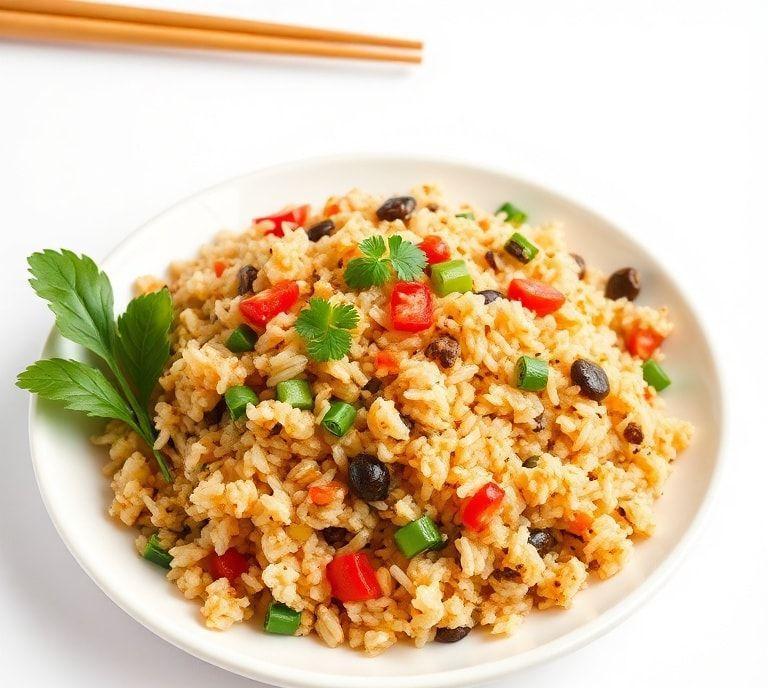
Let’s dive into the recipe itself. If you’ve ever had Thai Fried Rice in a restaurant, you know it’s about balance. You need those crispy, golden bits of rice mixed with soft, savory vegetables, and then everything needs to be bound together with that perfect sauce-slightly salty, a bit sweet, with just enough tang and heat. I’ll walk you through how to achieve that balance at home, step-by-step.
Ingredients Needed
- Jasmine rice – 2 cups (cooked and cooled)
- Vegetable oil – 2 tablespoons (or you can use coconut oil for extra Thai flavor)
- Garlic – 2 cloves, finely minced
- Shallots – 1 small, thinly sliced
- Carrot – 1 medium, julienned
- Bell pepper – 1, thinly sliced (red or yellow for sweetness)
- Green peas – 1/2 cup (frozen is fine)
- Eggs – 2 large (optional if you want a non-vegan version)
- Soy sauce – 2 tablespoons (use low-sodium for a lighter taste)
- Vegetarian oyster sauce – 1 tablespoon (or regular vegetarian stir-fry sauce)
- Lime juice – 1 tablespoon (freshly squeezed)
- Sugar – 1/2 teaspoon (just a pinch to balance the savory notes)
- Fresh cilantro – A handful, chopped (for garnish)
- Green onions – 2, sliced (for garnish)
- Chili flakes – Optional, to taste (for that perfect spicy kick)
- Toasted sesame oil – A drizzle at the end (for extra flavor depth)
- Cashews – A handful, lightly toasted (optional, for crunch)
Cooking Instructions
- Prepare the Rice: If you’re using leftover rice, you’re already halfway there! Cold, day-old rice works best because the grains are firmer and won’t turn mushy when fried. If you’re starting with freshly cooked rice, spread it out on a tray to cool it down. The key here is to prevent clumping and ensure each grain stays separate.
- Cook the Veggies: Heat up a wok or large skillet over medium-high heat and add your vegetable oil. Once it’s shimmering, toss in the minced garlic and shallots. Let them sizzle for a minute or two until fragrant-this step is crucial to building that aromatic base. Next, add the carrots and bell peppers, sautéing for about 3-4 minutes, just enough to get a little tender but still with a slight crunch. Follow that with the peas, giving everything a quick toss.
- Scramble the Eggs (Optional): If you’re using eggs, crack them directly into the pan, and quickly scramble them into the vegetables. I usually break them up with the spatula, creating small curds. The eggs add a rich texture to the dish that complements the vegetables perfectly.
- Fry the Rice: Add your cooled rice into the pan, breaking up any clumps as you go. Now, here’s where it gets fun-let the rice sit for a minute or two before stirring. This will give it those crispy bits that everyone loves. After that, gently toss everything together.
- Season: Stir in the soy sauce, vegetarian oyster sauce, lime juice, and sugar. The key here is balance-taste as you go. You want that perfect harmony of salty, sweet, and tangy. Add a little chili flakes if you’re in the mood for heat.
- Finish and Serve: Drizzle a bit of toasted sesame oil for that extra layer of flavor, and give everything one final toss. Sprinkle fresh cilantro, green onions, and toasted cashews on top for garnish. Serve immediately!
Ingredient Science Spotlight
One of the things I love about cooking is understanding the little science behind ingredients and how they interact. Take jasmine rice, for example. It’s known for its delicate fragrance and slightly sticky texture, which makes it ideal for stir-frying. The cool rice (preferably day-old) helps prevent the dish from turning mushy. This is because the rice grains are firmer, holding their shape as they fry.
The use of soy sauce and vegetarian oyster sauce is another interesting mix of salty umami flavors. While soy sauce is more about saltiness, the vegetarian oyster sauce adds a rich, savory depth without the fishy taste. And don’t get me started on sesame oil. It’s an ingredient that seems simple, but just a little drizzle at the end can elevate the entire dish, giving it that nutty, roasted flavor that feels like the finishing touch to a masterpiece.
Expert Tips
- Use cold, day-old rice: Freshly cooked rice tends to be too soft and sticky for fried rice. Cold rice is the way to go, as it’s drier and less likely to clump.
- Don’t overcrowd the pan: A wok is ideal for frying rice, but if you’re using a regular pan, don’t crowd the ingredients. Overcrowding will result in steaming the rice instead of crisping it.
- Adjust the seasoning: As with all good dishes, taste is key. Adjust the soy sauce and lime juice to find the right balance for your palate.
- Add protein: If you want to add extra protein, tofu works great here. Just pan-fry it separately until crispy and toss it in with the rice.
Recipe Variations
Thai Fried Rice is incredibly versatile. Here are a few fun variations:
- Thai Basil Fried Rice: If you’re a fan of basil, add a handful of Thai basil leaves towards the end. It’ll give the dish that signature herbal fragrance.
- Spicy Thai Fried Rice: For an extra punch, throw in some sliced Thai bird’s eye chilies or a drizzle of Sriracha. The heat will complement the sweetness of the sauce perfectly.
- Curry Fried Rice: Add a teaspoon of Thai red curry paste when you’re sautéing the veggies to create a more aromatic version with a hint of heat and spice.
- Vegan Fried Rice: For a completely vegan version, skip the eggs and instead add some crispy, pan-fried tofu for texture and protein.
Final Words
Thai Fried Rice is an easy but flavorful way to bring the taste of Thailand to your kitchen. What I love most about it is that it’s so customizable-you can add or leave out ingredients depending on what’s in season, or what you have in your fridge. Whether you want something with a bit of a spicy kick or prefer to keep it mild, it’s all about balance and creating that perfect bite. With just a few simple ingredients, you’ll have a dish that’s satisfying, comforting, and packed with vibrant flavors.
FAQs
What Ingredients Are Essential For A Vegetarian Thai Fried Rice?
A vegetarian Thai fried rice typically requires cooked jasmine rice, a variety of fresh vegetables such as bell peppers, carrots, peas, and onions, garlic, and spring onions. Key flavoring ingredients include soy sauce or tamari for saltiness, vegetarian oyster sauce or mushroom sauce for depth, and optional chili or lime juice for added zest. For protein, tofu or tempeh can be included, and a small amount of oil is needed for stir-frying.
Can I Make Thai Fried Rice Vegetarian Without Compromising Its Authentic Taste?
Yes, authentic Thai flavors can be maintained in a vegetarian version by using umami-rich ingredients to replace fish sauce or shrimp paste. Mushroom-based sauces, soy sauce, and tofu can mimic the savory depth. Adding aromatic ingredients like garlic, shallots, and Thai herbs (such as cilantro or Thai basil) preserves the traditional flavor profile. Balancing salty, sweet, and sour elements is key to keeping it close to the classic taste.
What Cooking Tips Help Achieve The Best Texture For Vegetarian Thai Fried Rice?
For optimal texture, use day-old or cold jasmine rice to prevent clumping. Stir-fry vegetables quickly on high heat to retain their crunch and color. Cook tofu separately until golden to enhance flavor and texture. Avoid overcrowding the pan to ensure even frying, and add sauces gradually to coat the rice evenly without making it soggy. Garnishing with fresh herbs and a squeeze of lime at the end enhances both aroma and taste.