I’ll never forget the first time I tasted bulgogi. It was in a cozy Korean BBQ joint in the heart of the city. The rich, savory aroma of grilled meat, marinated in a sweet and slightly smoky sauce, hit me the second I stepped inside. What I didn’t expect, though, was how the warmth of the dish wrapped around me like an embrace, the layers of flavors making me feel like I was home. But as much as I love the traditional bulgogi, there’s something incredibly satisfying about putting my own twist on it. So, I decided to take the essence of bulgogi-a harmonious blend of sweet, salty, and umami-and create a vegetarian version that would stand toe-to-toe with the original.
The beauty of vegetarian cooking lies in how you can explore and recreate your favorite dishes, swapping out animal products for plant-based alternatives without sacrificing flavor or comfort. The vegetarian bulgogi I’m about to share with you is an exciting journey of flavors-one where tofu or mushrooms take the spotlight, with all the savory goodness that bulgogi is known for. Whether you’re vegan, vegetarian, or just looking to try something new, this recipe will bring the spirit of Korean BBQ into your kitchen, in the most deliciously plant-friendly way.
Bulgogi Vegetarian Recipe
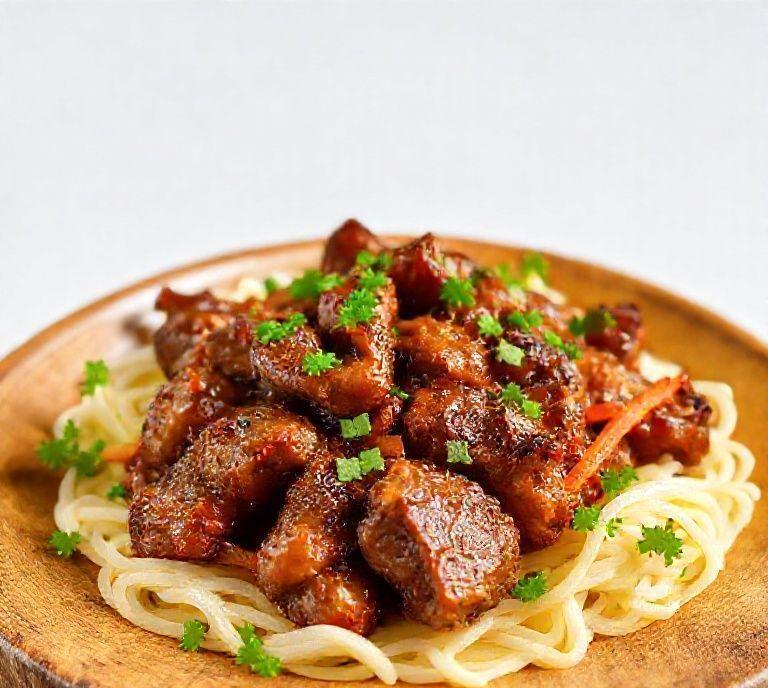
This recipe is my own take on the classic, and it’s surprisingly simple. You don’t have to be an experienced chef to pull this off-just a love for bold, fresh ingredients and a little patience. I usually go for mushrooms as my main protein substitute. They’ve got this amazing meaty texture that soaks up marinades beautifully. And trust me, when you get that perfect char on them? Magic. But tofu works just as well for a more neutral base, and you can easily customize the flavors to your liking.
Ingredients Needed
For this vegetarian bulgogi, you’ll need:
- Tofu or Mushrooms: I prefer a combination of shiitake and portobello mushrooms for depth, but you can use any kind of mushrooms you like. If you’re going with tofu, go for extra-firm, and press out the excess moisture.
- Soy Sauce: This is the backbone of the bulgogi marinade. It’s where all the umami magic happens.
- Gochujang (Korean chili paste): This adds that signature Korean heat and depth. It’s a bit spicy, a bit sweet, and totally transformative.
- Sesame Oil: This gives a nice nutty aroma to the dish, adding a subtle richness that complements the other flavors.
- Garlic and Ginger: Essential for that fresh, zesty bite that balances the richness of the soy sauce and sesame oil.
- Brown Sugar: For a touch of sweetness that rounds out the savory flavors.
- Rice Vinegar: To add a hint of acidity and brightness.
- Scallions: These will add a bit of sharpness and a beautiful burst of color.
- Sesame Seeds: Optional, but they add a nice crunch and extra nutty flavor when sprinkled on top at the end.
- Olive Oil or Vegetable Oil: For frying.
Cooking Instructions
- Prepare Your Base: If you’re using mushrooms, clean them, slice them thin, and set them aside. For tofu, press it gently to remove excess moisture, then slice it into slabs or cubes, depending on your preference.
- Marinate the Protein: Whisk together your soy sauce, gochujang, sesame oil, brown sugar, rice vinegar, garlic, and ginger in a bowl. If you’re using tofu, let it sit in the marinade for at least 30 minutes, preferably an hour. Mushrooms don’t need quite as much time, so 15-20 minutes will do the trick.
- Cook the Protein: Heat a skillet over medium-high heat and add a little oil. Once it’s hot, add the marinated tofu or mushrooms. Let them cook for a few minutes without stirring-this helps to get a nice sear. Flip them over and cook until both sides are golden brown and caramelized.
- Bring it All Together: Once your protein is beautifully crisped and cooked through, toss in the scallions and a sprinkle of sesame seeds. You want the scallions to slightly wilt, but still keep their vibrant green color.
- Serve: Plate your bulgogi, and for extra flavor, serve it with steamed rice, a side of kimchi, and maybe a drizzle of extra sesame oil if you’re feeling indulgent.
Ingredient Science Spotlight
Let’s talk about the science behind some of the ingredients in this recipe, starting with gochujang, the heart of Korean flavors. It’s a fermented chili paste, which means it undergoes a process of bacterial fermentation that helps develop complex flavors-spiciness, sweetness, and even a touch of umami. Fermentation also boosts the nutritional value, making gochujang not just flavorful but also beneficial for your gut health.
Now, sesame oil-that nutty, aromatic liquid-is rich in monounsaturated fats, which are great for heart health. But what’s really cool is its high concentration of antioxidants, particularly sesamin, which helps with inflammation and cholesterol levels. It’s one of those ingredients that’s as good for you as it is delicious.
The magic of mushrooms in this dish is not just in their texture, but in their ability to absorb marinades. Mushrooms have an almost sponge-like quality, which means they take on the full force of all the umami and spice in the marinade, delivering that rich, satisfying flavor with each bite.
And let’s not forget brown sugar. Unlike white sugar, brown sugar retains some of the molasses from the sugarcane, which gives it a deeper, more complex sweetness. This complexity adds layers of flavor that balance the salty and spicy components of the dish.
Expert Tips
- Texture Control: When cooking tofu, be sure to press it well to remove excess water, or it won’t crisp up properly. If you want an even firmer texture, freeze the tofu beforehand, then thaw it out before using it in the recipe. This gives it a chewier, almost meat-like texture.
- Marinate for Maximum Flavor: While you can cook the dish right away after marinating, if you have the time, let it sit in the fridge for a few hours (or overnight). The longer the tofu or mushrooms marinate, the deeper the flavors will penetrate.
- Get Creative with the Heat: If you love heat, add extra gochujang or toss in some chopped fresh chili peppers. On the other hand, if you prefer a milder version, reduce the amount of gochujang, or even leave it out entirely for a more neutral, sweet-savory dish.
Recipe Variations
- Tempeh Bulgogi: If you’re looking for a nuttier protein, swap the tofu or mushrooms for tempeh. It has a firmer texture and a unique flavor that will hold up well to the marinade.
- Vegan Bulgogi: For a fully vegan version, just make sure your soy sauce is labeled as vegan (some may contain fish sauce or other animal products). You can also use coconut sugar or maple syrup as a substitute for the brown sugar.
- Noodle Bulgogi: Want to turn this into a noodle dish? After cooking your tofu or mushrooms, toss them in with cooked udon or soba noodles. You’ll get a savory, slurpy, comforting meal with every bite.
Final Words
Bulgogi, whether vegetarian or not, is more than just a dish-it’s an experience. The flavors come together in a way that hits all the right notes of sweet, salty, savory, and spicy. The beauty of this vegetarian version is how it keeps that rich, satisfying complexity while being lighter and more plant-forward. It’s a dish that feels comforting without being overly heavy, and I’m pretty sure it’ll soon become a go-to favorite in your cooking repertoire.
FAQs
What Are The Main Ingredients For A Vegetarian Bulgogi Recipe?
The main ingredients for a vegetarian bulgogi recipe typically include tofu or tempeh as a substitute for beef, along with vegetables such as mushrooms, carrots, and onions. The marinade consists of soy sauce, sesame oil, garlic, ginger, brown sugar, rice vinegar, and gochujang (Korean chili paste) for flavor. You can also add sesame seeds and green onions as garnishes.
Can I Make A Vegan Version Of Bulgogi?
Yes, a vegan version of bulgogi can be easily made by substituting the honey or sugar with maple syrup or agave, and ensuring that the gochujang and soy sauce are free from any animal products (most varieties are, but it’s best to double-check). Instead of tofu, tempeh, or seitan can be used as the main protein source.
How Can I Serve Vegetarian Bulgogi?
Vegetarian bulgogi can be served in various ways. It is commonly paired with steamed white rice or brown rice. You can also serve it with Korean side dishes (banchan) such as kimchi, pickled radish, or sautéed spinach. Another option is to serve it as a wrap in lettuce leaves with a drizzle of gochujang sauce for an added crunch and flavor.