Chinese cabbage, also known as napa cabbage, is one of those ingredients that often gets overlooked despite being incredibly versatile and flavorful. Its long, crisp leaves and subtle sweetness make it the perfect base for so many dishes, yet it tends to fly under the radar compared to its more popular cousins like romaine or iceberg lettuce. But once you discover its delicate flavor and texture, you’ll wonder why it doesn’t get more time in the spotlight.
Today, I’m going to share a simple yet delicious Chinese cabbage vegetarian recipe that highlights all the best qualities of this often-underappreciated vegetable. Whether you’re already a fan of napa cabbage or just looking for a new way to incorporate more vegetables into your diet, this dish will open your eyes to the potential of this humble cabbage. It’s a vibrant, healthy, and satisfying meal that’s perfect for any day of the week.
Chinese Cabbage Vegetarian Recipe
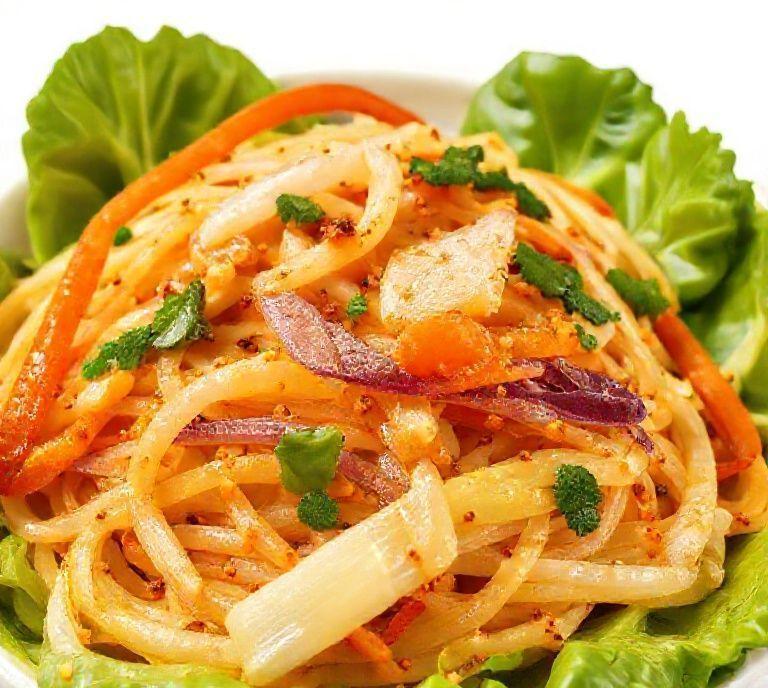
This recipe is an easy stir-fry with Chinese cabbage, garlic, ginger, and a few pantry staples. The beauty of stir-frying is that it’s quick, and the high heat helps to bring out the natural sweetness of the cabbage while preserving its crunchy texture. There’s no long prep work or complicated techniques here, just fresh ingredients and a little attention to detail. But don’t let the simplicity fool you-it’s packed with flavor.
Ingredients Needed
For this vegetarian dish, you’ll need a few key ingredients:
- Chinese cabbage (napa cabbage) – Look for a head that’s fresh and firm, with vibrant white stalks and pale green leaves. The leaves should be crisp, not wilting.
- Garlic – The essential aromatic that adds depth and fragrance to any stir-fry. You’ll want it finely chopped or minced.
- Ginger – Fresh ginger gives a warm, slightly spicy kick that pairs beautifully with the cabbage. Grated ginger works best for this recipe.
- Soy sauce – This will be your base for the savory, umami flavor. Go for low-sodium soy sauce if you want to control the salt level.
- Sesame oil – For that nutty, toasted flavor that elevates the dish to another level.
- Red pepper flakes (optional) – A little heat can really bring everything together, but it’s optional based on your spice tolerance.
- Carrot – For color and a subtle sweetness to balance the savory cabbage. Thinly sliced or julienned works best.
- Scallions (green onions) – These are for garnish and add a fresh, slightly sharp bite that contrasts nicely with the softness of the cabbage.
- Peanut oil or vegetable oil – You’ll need a high-heat oil to stir-fry. Peanut oil has a great flavor, but vegetable oil works fine too.
Cooking Instructions
- Prep the vegetables: Start by slicing the napa cabbage into bite-sized pieces, removing any tough outer leaves if necessary. Peel and thinly slice the carrot into matchsticks. Mince the garlic and grate the ginger. Keep everything organized and ready to go because stir-frying moves fast.
- Heat the oil: In a large skillet or wok, heat about 1-2 tablespoons of peanut or vegetable oil over medium-high heat. Once the oil is hot, add the garlic and ginger. Stir-fry for about 30 seconds, just until fragrant. Be careful not to burn them-garlic can go from fragrant to bitter quickly.
- Add the cabbage: Toss in the napa cabbage and carrot. Stir-fry for 4-5 minutes until the cabbage begins to soften, but still maintains a bit of crunch. Stir frequently to ensure even cooking.
- Season the vegetables: Add soy sauce and a dash of sesame oil to the pan. Stir to coat the vegetables evenly, letting the soy sauce caramelize just slightly, which adds a rich, savory flavor to the cabbage. If you like it a little spicier, add red pepper flakes at this point.
- Finish and garnish: Once the cabbage has softened and absorbed the flavors, remove from heat. Garnish with sliced scallions and serve hot. This dish pairs wonderfully with steamed rice or as a side to a larger meal.
Ingredient Science Spotlight
Let’s take a moment to talk about the magic behind a few of these ingredients, especially the Chinese cabbage itself. Napa cabbage is a type of brassica, like broccoli and kale, which means it’s packed with health benefits, including a high vitamin C content, fiber, and antioxidants. The cabbage’s mild sweetness comes from natural sugars, which is why it pairs so well with savory ingredients like soy sauce. The cabbage also has a high water content, which makes it crisp but tender when cooked just right.
Garlic and ginger, two of the most essential ingredients in Asian cooking, bring more than just flavor to the table. Garlic contains sulfur compounds that have been linked to health benefits like boosting the immune system and reducing inflammation. Ginger, with its unique zesty, peppery flavor, helps improve digestion and can have anti-inflammatory effects. Together, these two aromatics not only elevate the dish but also contribute to its healthfulness.
Sesame oil, with its nutty and deep flavor, comes from the seeds of the sesame plant. It’s a rich source of healthy fats, and the toasted version, used here, has a particularly distinctive flavor that complements the cabbage perfectly.
Expert Tips
- Don’t overcook the cabbage: One of the biggest mistakes people make with stir-frying cabbage is overcooking it. The key is to let it soften, but still retain some of that satisfying crunch. It should be just tender enough to absorb the flavors of the seasonings, but not mushy.
- Customize the heat: If you’re not into spicy food, skip the red pepper flakes. But if you love a little kick, don’t hesitate to add more-sriracha or chili paste also works wonderfully in this dish.
- Use the right pan: A wok or a large skillet is ideal for stir-frying because the shape allows the heat to distribute evenly. If you don’t have a wok, don’t worry-just use the biggest, heaviest pan you’ve got to ensure everything cooks evenly.
- Balance flavors: This dish is simple but balancing the salty soy sauce, nutty sesame oil, and spicy ginger is key. Taste as you go, and adjust the seasoning if needed. A dash of rice vinegar can also brighten things up if you feel like the flavors need a little zing.
Recipe Variations
- Add tofu: If you want to make this dish heartier, tofu is a great option. Press and cube the tofu, then pan-fry it until golden before adding it to the cabbage. It absorbs the flavors and adds protein to the dish.
- Add mushrooms: For an earthy depth, add shiitake or button mushrooms to the stir-fry. They cook quickly and blend beautifully with the cabbage.
- Add nuts: To give the dish a little crunch, try sprinkling in some toasted cashews or peanuts right before serving. The added texture and nutty flavor can really elevate the dish.
- Spicy variation: If you like your dishes with a lot of heat, consider adding fresh red chilies or a spoonful of chili garlic sauce to the stir-fry. The smoky heat will balance out the sweetness of the cabbage perfectly.
Final Words
The beauty of this Chinese cabbage stir-fry is in its simplicity. There are only a handful of ingredients, yet the flavors come together in a harmonious way that’s both satisfying and light. It’s the kind of recipe you can make on a busy weeknight, yet still feels special enough for a weekend dinner. Whether you stick to the basic version or get creative with variations, this dish will quickly become a go-to.
FAQs
What Are Some Popular Vegetarian Recipes Using Chinese Cabbage?
Popular vegetarian recipes with Chinese cabbage include stir-fried Chinese cabbage with garlic and soy sauce, braised Chinese cabbage with tofu, and Chinese cabbage salad with sesame dressing. These recipes highlight the natural sweetness and crisp texture of the cabbage while keeping the dish light and nutritious.
How Can I Enhance The Flavor Of Chinese Cabbage In Vegetarian Dishes?
To enhance the flavor of Chinese cabbage, you can use ingredients such as garlic, ginger, soy sauce, sesame oil, and chili flakes. Lightly sautéing the cabbage retains its crunch, while slow braising allows it to absorb savory sauces. Adding mushrooms or tofu can also provide umami depth to vegetarian dishes.
Is Chinese Cabbage Nutritious For A Vegetarian Diet?
Yes, Chinese cabbage is highly nutritious and suitable for a vegetarian diet. It is low in calories but rich in vitamins C and K, fiber, and antioxidants. Incorporating Chinese cabbage into vegetarian meals can support digestion, boost immunity, and provide essential micronutrients without adding excessive fat or calories.