
Coconut milk, with its creamy texture and rich, tropical flavor, is one of those ingredients that seems to transport you to a beachside bungalow with each spoonful. Whether you’re cooking up a comforting curry, whipping up a smooth smoothie, or creating a decadent dessert, coconut milk adds a unique depth to your dishes. What I love about using it in vegetarian cooking is how versatile it is-rich enough to replace dairy, light enough to let the other flavors shine. It’s one of those pantry staples that makes plant-based meals feel indulgent without being overly heavy.
This recipe is a perfect example of how coconut milk can elevate vegetarian dishes-taking simple ingredients and transforming them into something unforgettable. I’m going to walk you through a fantastic coconut milk-based vegetarian dish that will make you fall in love with plant-based cooking, even if you’re not fully vegetarian. Let’s dive into it, shall we?
Coconut Milk Vegetarian Recipe
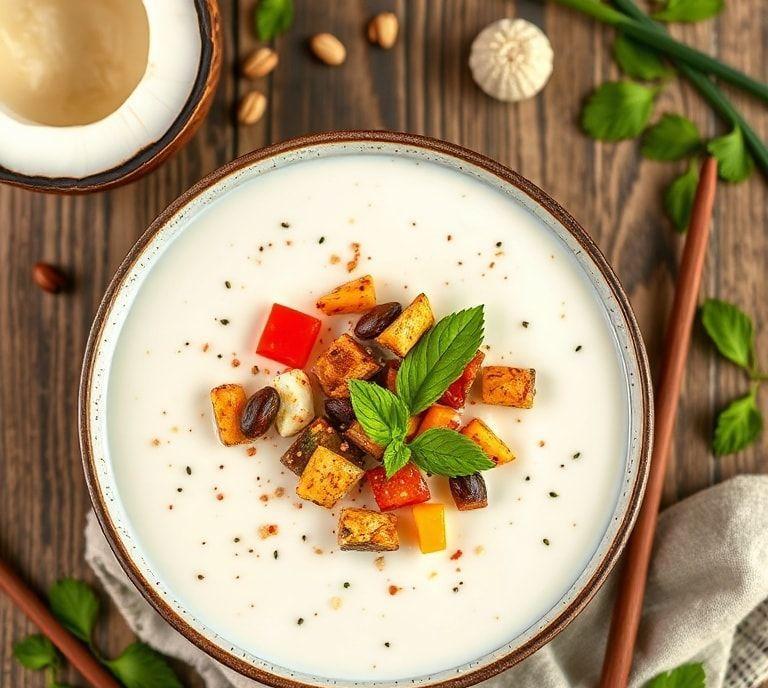
This coconut milk curry is a crowd-pleaser for anyone looking to enjoy a cozy, flavorful dish that packs in both nutrition and comfort. It combines hearty vegetables with a fragrant, coconut-infused sauce that’s spicy, creamy, and tangy all at once. I’m telling you, once you try this, you’ll want to keep a can or two of coconut milk stocked in your kitchen. The beauty of this curry is in its simplicity-you don’t need a ton of fancy ingredients to make it taste amazing, and it comes together quickly, perfect for those evenings when you just want something satisfying without spending hours in the kitchen.
Ingredients Needed
Here’s what you’ll need to get started. You’ll probably already have a few of these ingredients in your kitchen, and the rest are easy to find at any local grocery store.
- 1 tablespoon olive oil – For sautéing the aromatics.
- 1 onion, chopped – A great base for almost any curry, bringing both sweetness and depth to the dish.
- 2 cloves garlic, minced – Garlic is a must to add that savory richness.
- 1-inch piece of ginger, grated – Fresh ginger adds a nice kick, balancing the richness of the coconut milk.
- 1 tablespoon curry powder – The magic dust! This gives the curry its vibrant color and complex flavor.
- 1/2 teaspoon turmeric – For color and a subtle earthy flavor.
- 1 can (14 oz) coconut milk – This is the star of the dish, bringing creaminess and a hint of sweetness.
- 2 medium potatoes, cubed – Potatoes soak up the sauce beautifully and provide some heartiness.
- 1 cup cauliflower florets – These add a bit of texture and absorb the flavors of the sauce.
- 1/2 cup peas – Frozen peas work just fine, and they add a pop of color.
- Salt and pepper, to taste – For seasoning.
- Fresh cilantro, chopped – For garnish and a fresh, herby finish.
- Cooked rice or quinoa, for serving – This helps soak up all that luscious sauce.
Cooking Instructions
Now that we’ve got everything, it’s time to cook. Don’t worry, this is a simple one to pull off. Here’s how you do it:
- Prep your ingredients: Start by chopping the onion, mincing the garlic, and grating the ginger. Cube the potatoes, chop the cauliflower, and set your peas aside. The prep work really doesn’t take long, and once it’s done, the cooking goes pretty fast.
- Sauté the aromatics: In a large pan or pot, heat the olive oil over medium heat. Add the chopped onion and sauté for about 3-4 minutes until it’s soft and translucent. Add the garlic and ginger and cook for another minute, stirring often to avoid burning. The smell here is already amazing!
- Spices: Sprinkle in the curry powder and turmeric. Let the spices toast in the oil for a minute or two until they become fragrant. This step is essential because it activates the spices, making them more potent.
- Add the coconut milk: Pour in the coconut milk and bring the mixture to a simmer. It will thicken slightly, and the creamy base will start to form. Stir occasionally to make sure nothing sticks to the bottom.
- Add the vegetables: Toss in the cubed potatoes and cauliflower florets. Stir to coat the veggies in the sauce. Cover the pan and let them simmer for about 10-12 minutes, or until the potatoes are fork-tender.
- Final touches: Once the potatoes and cauliflower are tender, add in the peas. Let everything simmer for another 2-3 minutes, just to heat the peas through. Season with salt and pepper to taste.
- Serve: Spoon the curry over a bed of rice or quinoa and garnish with fresh cilantro. The warmth of the rice contrasts perfectly with the creamy, flavorful curry, and the cilantro adds a burst of freshness.
Ingredient Science Spotlight
Let’s take a deeper dive into what makes some of these ingredients so special.
- Coconut milk: The main magic behind this dish! It’s made by pressing fresh coconut meat with water, creating a rich, creamy liquid that’s high in healthy fats. The fat content in coconut milk is primarily medium-chain triglycerides (MCTs), which are known for providing quick energy and being easy on digestion. It also gives a wonderful natural sweetness to balance out the spices in the curry.
- Turmeric: Besides its vibrant yellow hue, turmeric is known for its anti-inflammatory properties, thanks to curcumin, the compound that gives it its color. Adding turmeric not only enhances the flavor but also boosts the health benefits of the dish.
- Potatoes: You might think potatoes are a simple, humble ingredient, but they serve a vital purpose here. They absorb the curry sauce and add a lovely creamy texture when cooked. Potatoes are also a great source of potassium, vitamin C, and fiber.
- Cilantro: This herb is a hit or miss for some people, but its fresh, citrusy flavor pairs beautifully with the richness of the coconut milk. Plus, cilantro has a natural detoxifying effect, helping to flush out heavy metals from the body.
Expert Tips
- Don’t skip the spices: The spices are what bring this dish to life. If you can, try to use fresh turmeric rather than pre-ground-it packs a punch in terms of flavor.
- Adjust the heat: If you like it spicier, feel free to add some chopped chili peppers when you sauté the onions. You can also sprinkle in some red pepper flakes to taste when adding the coconut milk.
- Vary your vegetables: While potatoes and cauliflower are classic choices, this recipe is super versatile. Swap in some sweet potatoes, carrots, or even zucchini if you want to mix it up.
- Let it rest: Curry often tastes better the next day, after the flavors have had time to meld together. If you have leftovers, try refrigerating them overnight and enjoying the curry again for lunch or dinner.
Recipe Variations
This coconut milk curry is just the beginning! Here are a few variations you can try:
- Coconut Milk Chickpea Curry: Swap out the potatoes for chickpeas for a protein-packed twist. Chickpeas hold up beautifully in curries and add a nice texture.
- Thai Coconut Curry: Use red curry paste instead of curry powder and add a splash of lime juice for a tangy, Thai-inspired dish. You can also throw in some Thai basil and lemongrass for extra flavor.
- Coconut Lentil Curry: If you want something even heartier, try adding lentils. They cook up beautifully in the coconut milk and add both protein and fiber to the dish.
Final Words
Coconut milk isn’t just a pantry item; it’s a culinary secret that transforms any dish into something more luxurious, more satisfying, and more comforting. This recipe showcases just how simple and satisfying vegetarian cooking can be with the right ingredients. Coconut milk brings a level of richness that makes plant-based dishes feel indulgent without being overwhelming, and this curry is a perfect example of that balance.
FAQs
What Are The Best Vegetables To Pair With Coconut Milk In Vegetarian Recipes?
Coconut milk pairs well with a variety of vegetables in vegetarian recipes, especially those with a naturally sweet or earthy flavor. Common choices include sweet potatoes, carrots, cauliflower, spinach, bell peppers, zucchini, and eggplant. Root vegetables like carrots and potatoes absorb the coconut milk’s richness, while leafy greens like spinach or kale add a balance of texture and color.
Can Coconut Milk Be Used As A Substitute For Dairy In Vegetarian Recipes?
Yes, coconut milk is a popular dairy substitute in vegetarian and vegan recipes due to its creamy texture and rich flavor. It can replace cow’s milk or cream in a variety of dishes, including curries, soups, smoothies, and desserts. When using coconut milk as a substitute, it’s important to choose between full-fat or light coconut milk based on the richness and calorie content you desire.
How Can I Thicken A Coconut Milk-based Vegetarian Recipe?
To thicken a coconut milk-based vegetarian recipe, there are several methods you can try. First, simmer the coconut milk over low heat to reduce it and concentrate its consistency. You can also add thickeners like cornstarch or arrowroot powder mixed with water, or blend in pureed vegetables such as potatoes, cauliflower, or cashews. Another option is to stir in coconut cream, which has a higher fat content and will help thicken the dish.