A lot of people think making marshmallows is a complicated process, something that can only be done in a professional kitchen with fancy tools. But here’s the thing: I’m about to show you how to make marshmallows that are not just easy, but also vegetarian. If you’ve ever looked at the ingredients list on store-bought marshmallows, you’ve probably seen gelatin in the mix, which, for vegetarians, is a no-go. But no worries-there’s an alternative, and it’s just as delicious!
This easy vegetarian marshmallow recipe will have you whipping up soft, pillowy marshmallows right at home in no time. Picture it: a light, fluffy marshmallow that melts in your mouth, made with simple ingredients you probably already have in your pantry. It’s a fun DIY treat that works as a nostalgic snack, a sweet addition to hot cocoa, or even a homemade gift wrapped up in parchment paper for someone special.
I first got into marshmallow making on a whim. One cold winter evening, I was craving something soft and sweet, but not the same old candy. I’d seen people make marshmallows on cooking shows, and thought, “Why not try it myself”? After some trial and error, I found my favorite method. It’s simple, rewarding, and-best of all-it doesn’t involve any animal products. Since then, I’ve been making them regularly, tweaking and experimenting with different flavors and textures. So, let’s dive into it-here’s everything you need to know to make your own batch of homemade vegetarian marshmallows.
Easy Vegetarian Marshmallow Recipe
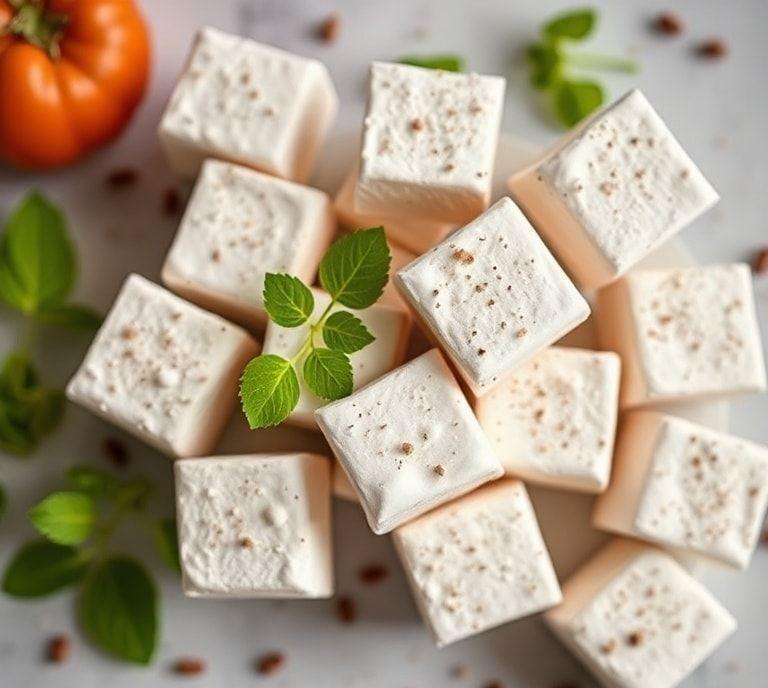
Let’s break it down, step by step. Making marshmallows from scratch is far simpler than you might think. Once you get the hang of it, it becomes second nature, like baking a loaf of bread or whipping up pancake batter. Here’s the recipe to get you started:
Ingredients Needed
- Agar-Agar Powder (the vegetarian alternative to gelatin): This is the key ingredient. Agar-agar is derived from seaweed and acts as a gelling agent, just like gelatin but without the animal byproducts. You’ll need around 1 tablespoon of this to help your marshmallows set properly.
- Sugar (granulated): The sweet base of any marshmallow, about 2 cups. This is what gives marshmallows their signature sugary texture and taste.
- Water: You’ll need 1 cup of water to dissolve the agar-agar and help make the syrup.
- Corn Syrup: For that chewy, glossy finish that makes marshmallows so irresistibly soft, a half cup of corn syrup is a must. Don’t worry about it being too sweet-it balances perfectly.
- Vanilla Extract: A teaspoon or so will add a nice warm flavor. Feel free to experiment with other extracts if you’re feeling adventurous.
- Powdered Sugar and Cornstarch: These are for dusting, so the marshmallows don’t stick together. A little sprinkle goes a long way!
Cooking Instructions
- Prepare Your Pan: First things first, grab a square or rectangular baking pan (about 8×8 inches). Line it with parchment paper, leaving a little extra paper hanging over the edges. This makes it so much easier to pull the marshmallows out once they’re done.
- Make the Agar-Agar Solution: In a medium saucepan, combine the agar-agar powder with 1 cup of water. Bring it to a boil while stirring continuously. You want the agar-agar to dissolve fully, and you’ll notice the mixture thicken up as it heats. Lower the heat and let it simmer for about 2 minutes.
- Make the Sugar Syrup: In another pot, combine the sugar and corn syrup with 1/2 cup of water. Heat it gently over medium heat, stirring occasionally, until the sugar has dissolved completely. Once it’s dissolved, bring it to a simmer and cook for about 8 minutes, or until the syrup reaches 240°F on a candy thermometer (this is the soft-ball stage). Don’t worry if you don’t have a thermometer; just let it bubble away until it thickens slightly.
- Combine the Agar-Agar and Sugar Syrup: Slowly pour the hot syrup into the agar-agar mixture, whisking it constantly as you go. Keep whisking for another minute or two until the mixture starts to cool down a little.
- Whisk to Perfection: Pour everything into a large mixing bowl or stand mixer, and using an electric mixer (preferably with a whisk attachment), beat on high speed for about 10-12 minutes. The mixture will become fluffy and increase in volume. Keep going until it’s nice and thick, and you can see soft peaks forming.
- Flavor It: Now’s the fun part. Add your vanilla extract (or any flavor extract of your choice) and beat it in for another 30 seconds.
- Pour Into the Pan: Pour the marshmallow mixture into your prepared pan, smoothing it out with a spatula. Don’t worry if it’s a little sticky-that’s totally normal.
- Set and Dust: Let the marshmallows set at room temperature for at least 4 hours, or overnight if you have the patience. Once they’re firm, dust the top with a mixture of powdered sugar and cornstarch. This will help keep them from sticking together.
- Cut and Serve: Use the parchment paper to lift the block of marshmallows out of the pan. Cut into squares with a sharp knife. Coat each piece with a little more powdered sugar/cornstarch mixture. And that’s it-you’re done!
Ingredient Science Spotlight
The real magic behind these marshmallows lies in the agar-agar. Agar-agar is a natural gelatin substitute made from red algae, and it works its magic by forming a gel when dissolved in hot water. Unlike gelatin, which requires animal-derived collagen, agar-agar is plant-based and solidifies at room temperature, making it perfect for our marshmallows.
Sugar is the backbone of this recipe, providing both sweetness and structure. It’s crucial for creating that chewy texture. Corn syrup, in addition to adding sweetness, helps prevent crystallization, giving the marshmallows that smooth, melt-in-your-mouth feeling.
Expert Tips
- Don’t Overbeat: While it’s tempting to keep mixing, be careful not to overdo it. Once you see the mixture double in size and become fluffy, stop beating. Overbeating can make the marshmallows more airy, but too much air can lead to crumbling.
- Temperature Control: The key to the perfect consistency is temperature. If your syrup is too hot when you pour it into the agar solution, it might set too quickly and cause clumps. If it’s not hot enough, it won’t gel properly.
- Add a Twist: Feeling adventurous? Try adding a drop of peppermint extract for a wintery twist, or swirl in some melted chocolate for a marshmallow that’s even more indulgent. The possibilities are endless!
Recipe Variations
- Fruit-Flavored Marshmallows: Add some fruit puree (like raspberry, mango, or strawberry) to the marshmallow mixture before it sets. This will give your marshmallows a colorful, fruity flavor.
- Chocolate-Dipped Marshmallows: Once your marshmallows are set, dip them in melted dark chocolate for a decadent treat. You can even sprinkle some crushed nuts or sea salt on top before the chocolate hardens.
- Spicy Marshmallows: For a fun twist, add a dash of cinnamon or chili powder to the mix for a spicy-sweet combination. It’s like the holidays in every bite.
Final Words
Making marshmallows at home is one of those surprisingly satisfying kitchen projects. There’s something special about knowing exactly what’s in your food, and these vegetarian marshmallows offer that sense of pride. Whether you’re treating yourself or impressing friends with your homemade sweets, this recipe will not disappoint.
FAQs
What Ingredients Are Needed For An Easy Vegetarian Marshmallow Recipe?
To make easy vegetarian marshmallows, you’ll need agar-agar powder, sugar, water, corn syrup, vanilla extract, and a pinch of salt. Agar-agar acts as a plant-based alternative to gelatin, which is traditionally used in marshmallows.
How Long Does It Take To Make Vegetarian Marshmallows?
The process of making vegetarian marshmallows usually takes around 1 to 2 hours. This includes preparing the mixture, letting it set, and cooling. The actual hands-on time is about 20-30 minutes, with the rest of the time allowing the marshmallows to firm up.
Can I Substitute Agar-agar With Another Ingredient In A Vegetarian Marshmallow Recipe?
Agar-agar is the most common gelatin substitute in vegetarian marshmallow recipes because it sets at room temperature and has a firm texture. If you don’t have agar-agar, you could try using other plant-based gelling agents like carrageenan, but the results may vary in texture.