There’s something undeniably comforting about the humble frittata. It’s one of those dishes that seems to have existed for as long as I can remember, yet every time I make it, it feels like a fresh start, a new opportunity to experiment. Whether you’re standing over the stove on a lazy Sunday morning or preparing a quick dinner after a busy day, frittatas are there-reliable, versatile, and utterly satisfying.
What makes them so special, though? It’s the way a few simple ingredients come together in harmony, and how easy it is to customize the recipe to suit whatever is in your fridge. I’ve found that a vegetarian frittata strikes the perfect balance: hearty enough to be a meal, yet light and fresh at the same time. It’s like the lovechild of an omelette and a quiche, minus the crust, which I’m all for. In today’s post, I’ll walk you through a delicious vegetarian frittata recipe that’s simple, flavorful, and flexible-just like life should be.
Frittata Vegetarian Recipe
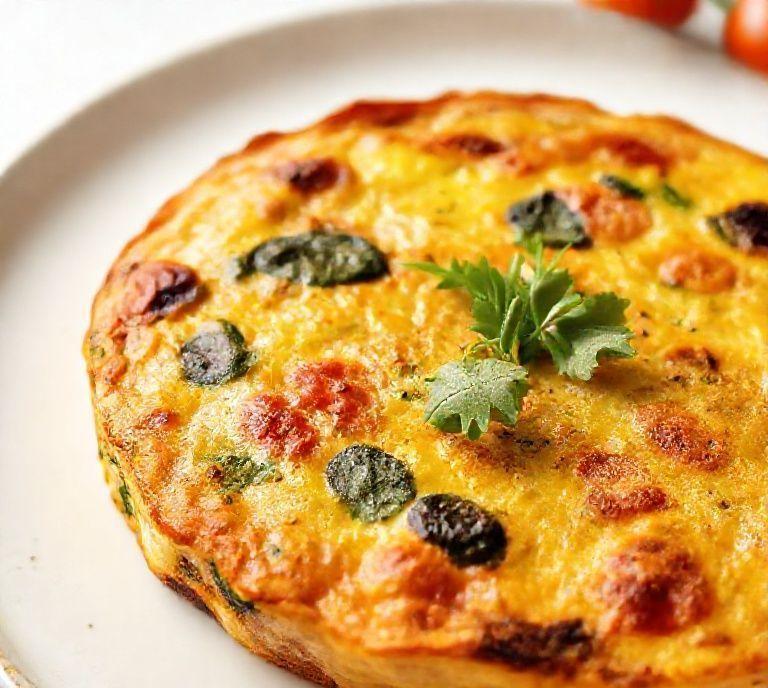
This vegetarian frittata is a celebration of fresh, vibrant ingredients. It’s the kind of dish that you can whip up in under 30 minutes, yet it feels like a meal that’s been carefully thought out. The key is to keep the flavors bold but balanced, using seasonal veggies that bring both color and taste to the table. I’ve made this frittata countless times, tweaking the ingredients based on what’s available, and every version has been a winner. Here’s a simple recipe to get you started:
Ingredients Needed
The beauty of a frittata is in its flexibility-you can swap out ingredients as needed, but here’s the basic lineup:
- 8 large eggs – The foundation of any frittata. Eggs give you that rich, velvety texture that holds everything together.
- 1/2 cup of milk or cream – Optional, but it adds a slight richness and makes the eggs fluffier. Use whole milk for the best results, or a splash of cream if you’re feeling indulgent.
- 1 medium onion, finely chopped – I love how onions soften as they cook, adding a sweet undertone to the frittata.
- 1 cup of diced bell peppers – Any color will do, but red and yellow add a nice sweetness.
- 1 cup of spinach, chopped – Spinach wilts beautifully and adds a pop of color to the mix.
- 1/2 cup of feta cheese, crumbled – The salty tang of feta is a perfect contrast to the sweetness of the veggies.
- 1/4 cup of grated Parmesan cheese – For that savory, umami kick.
- Salt and pepper – To taste.
- 1 tablespoon of olive oil – For sautéing your veggies.
Cooking Instructions
- Preheat your oven to 350°F (175°C).
- Sauté the vegetables: In a large oven-safe skillet, heat the olive oil over medium heat. Add the chopped onion and bell peppers. Sauté for about 5-7 minutes, or until the vegetables begin to soften and the onions are translucent.
- Add the spinach: Toss in the chopped spinach and cook for another 1-2 minutes, just until the spinach wilts. At this point, your kitchen should smell wonderful.
- Beat the eggs: In a bowl, whisk together the eggs, milk or cream, Parmesan, salt, and pepper. Pour this mixture over the vegetables in the skillet.
- Add the feta: Sprinkle the crumbled feta cheese over the egg mixture.
- Cook gently: Allow the frittata to cook on the stovetop for about 3-4 minutes, just until the edges begin to set. You’ll see the egg mixture start to firm up around the edges, but the center will still be a little wobbly.
- Finish in the oven: Transfer the skillet to the preheated oven and bake for about 12-15 minutes, or until the frittata is set in the middle and slightly golden on top.
- Serve and enjoy: Let the frittata cool for a few minutes before slicing it into wedges. It’s perfect served warm, but also great at room temperature for leftovers.
Ingredient Science Spotlight
What makes the ingredients in this frittata work so well together? The magic really lies in the science of how eggs cook and how different ingredients interact. Eggs are the key players-they’re a delicate balance of protein and fat, and when you cook them gently, they transform into that creamy, velvety texture we all love. The milk or cream you add helps make the frittata fluffier by introducing a bit of air into the egg mixture, while the feta and Parmesan contribute a savory umami flavor that perfectly complements the sweetness of the bell peppers and the earthiness of the spinach.
When cooking vegetables like onions and bell peppers, the heat brings out their natural sugars, which creates a delightful sweetness that contrasts beautifully with the tangy, salty cheese. It’s this balance of sweet and savory that makes a vegetarian frittata so satisfying. And the eggs, being such a neutral base, allow each ingredient to shine without one overpowering the others.
Expert Tips
- Use an oven-safe skillet: This is a key piece of equipment for making a frittata. If you don’t have one, just finish the cooking process on the stovetop, but you’ll miss out on that gorgeous golden top.
- Don’t overcook the eggs: Frittatas are best when they’re just set. Overcooking them can make them rubbery and dry. The eggs should still jiggle a little when you remove them from the oven, but they’ll continue to cook from residual heat.
- Add herbs for extra flavor: Fresh herbs like basil, thyme, or oregano work wonderfully in this dish. I sometimes throw in a handful of fresh basil for a Mediterranean twist.
- Customize your veggies: Don’t be afraid to switch things up depending on the season. Zucchini, mushrooms, or tomatoes can be great additions, and adding some roasted potatoes will make the frittata more substantial if you’re feeding a crowd.
Recipe Variations
One of the best things about a frittata is that it’s incredibly versatile. You can mix and match ingredients based on what you have on hand or what’s in season. Here are a few variations I love:
- Mediterranean Frittata: Add olives, sun-dried tomatoes, and fresh herbs like oregano and basil. Swap the feta for goat cheese for a tangier flavor.
- Mushroom and Goat Cheese Frittata: Sauté a cup of sliced mushrooms (cremini or shiitake are great options) with garlic and thyme. Add goat cheese for a creamy, tangy twist.
- Roasted Veggie Frittata: Use roasted vegetables like sweet potatoes, carrots, and squash. The roasted flavors add a deep, caramelized taste to the frittata.
- Spicy Frittata: Add a bit of heat by tossing in some diced jalapeños or a pinch of red pepper flakes. You can also add a handful of spicy arugula for an extra kick.
Final Words
Frittatas are more than just a dish-they’re a celebration of simplicity, flexibility, and the beauty of home cooking. Whether you’re cooking for one or feeding a family, they’re the kind of meal that’s just as at home in the kitchen as it is on the dinner table. With the right balance of flavors and a few trusty ingredients, a vegetarian frittata can be the perfect dish for any occasion. Plus, it’s a wonderful way to use up any leftover vegetables in your fridge!
FAQs
What Are The Essential Ingredients For A Vegetarian Frittata?
A vegetarian frittata typically includes eggs, cheese, and a variety of vegetables. Common vegetables used are bell peppers, onions, spinach, mushrooms, and zucchini. Additional ingredients like herbs (basil, thyme, or parsley) and spices (salt, pepper, and garlic) are often added for flavor. You can also include a type of cheese, such as feta, mozzarella, or cheddar, to enhance taste.
Can I Make A Vegetarian Frittata Without Dairy?
Yes, you can make a dairy-free vegetarian frittata by using plant-based substitutes. Instead of regular cheese, opt for dairy-free cheese made from nuts, soy, or coconut. For the egg mixture, you can use a flaxseed meal and water combination or chickpea flour to replace eggs. Additionally, nutritional yeast can be added for a cheesy flavor without dairy.
How Do I Prevent My Frittata From Becoming Soggy?
To prevent a soggy frittata, ensure that any vegetables you use are properly cooked to remove excess moisture before adding them to the egg mixture. Roasting or sautéing vegetables such as zucchini, mushrooms, or spinach can help reduce water content. Also, avoid overfilling the pan with vegetables, as this can release too much moisture. Baking the frittata at a moderate temperature (350°F or 175°C) also helps achieve a firm texture.