Mofongo is a dish that resonates with many who’ve experienced the vibrant flavors of Puerto Rican cuisine. It’s rich, comforting, and rooted in a history of diverse influences-African, Spanish, and Taino all combining to create something entirely unique. For me, mofongo has always held a special place. It’s one of those meals that reminds me of gathering around the table with family, the kind of dish that everyone eagerly waits for, and that fills the air with warmth and laughter.
Growing up, we’d gather at my aunt’s house on Sundays, and the smell of garlic and fried plantains would waft from the kitchen. Mofongo was always at the heart of these meals, often accompanied by a hearty broth or some roasted meat, but the best part was how the dish itself could take on so many different forms. Today, I’m sharing a vegetarian version of this classic. It’s just as delicious, and you won’t miss the meat one bit. Trust me.
Mofongo Vegetarian Recipe
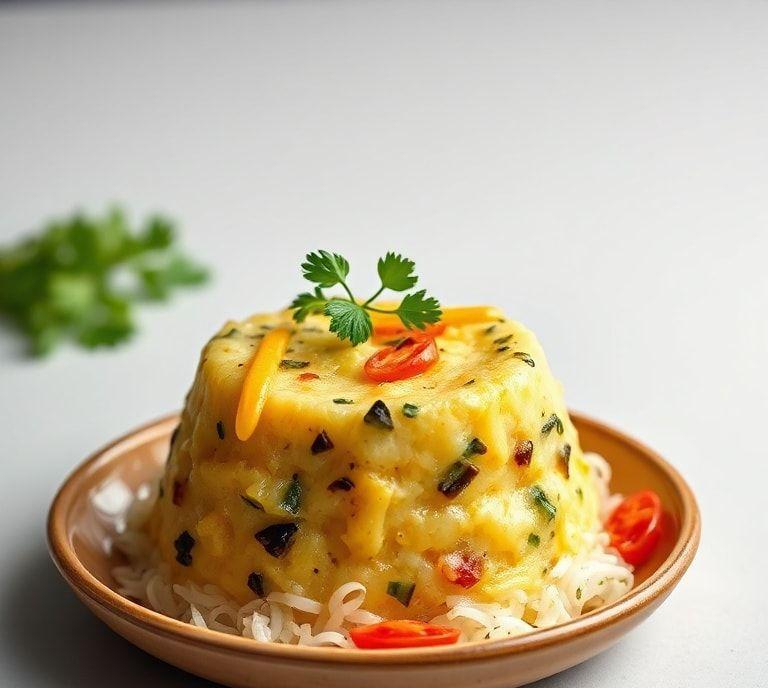
Mofongo, at its core, is mashed fried plantains with garlic, olive oil, and seasonings. The beauty of this recipe lies in its versatility. The plantains, being the star of the show, have a natural sweetness that pairs beautifully with garlic and savory elements. In this vegetarian version, we’re focusing on creating a dish that’s both satisfying and flavorful, packed with nutrients, yet still true to the original essence of mofongo.
Ingredients Needed
- 3 ripe plantains (the yellow ones, not too green)
- 4 cloves of garlic, minced
- 1/4 cup olive oil (or vegetable broth for a lighter version)
- 1/2 cup vegetable broth (for mashing)
- 1/2 teaspoon ground cumin (adds a smoky warmth)
- Salt and pepper, to taste
- Fresh cilantro for garnish
- 1 tablespoon of lime juice (adds a little zing)
-
Optional Add-ins
- 1/4 cup roasted bell peppers, chopped
- 1/2 cup mushrooms, sautéed
- 1/4 cup diced tomatoes for a burst of freshness
- A sprinkle of vegan cheese, if desired
It’s a simple list, but that’s part of the charm. There’s so much you can do with just a few key ingredients. But let me tell you, the magic is in the technique.
Cooking Instructions
- Prep the Plantains: Start by peeling the plantains. This part can be a little tricky, but if you cut the ends off and score the skin lengthwise, it should peel away pretty easily. Slice them into 1-inch rounds.
- Fry the Plantains: Heat a good amount of olive oil in a deep pan over medium heat. Once it’s hot, add the plantain slices in batches, frying them until they’re golden and slightly crispy on the outside (about 4 minutes per side). You want a bit of crunch, so don’t rush this part.
- Mash It Up: Once the plantains are fried and crispy, it’s time to mash. Transfer the plantains to a large bowl or a mortar and pestle (if you’ve got one, it’s the authentic way). While mashing, add in the minced garlic, cumin, and a pinch of salt and pepper. Add a little vegetable broth to help it mash into a smoother consistency. If you’re adding roasted bell peppers or mushrooms, now’s the time to mix them in as well.
- Shape the Mofongo: Once you’ve mashed it all together, it’s time to shape the mofongo into a mound or even individual servings if you prefer. If you’re feeling a little adventurous, you can form it into small balls or patties as well.
- Serve and Garnish: Drizzle with a bit of lime juice, sprinkle with fresh cilantro, and perhaps top with a touch of vegan cheese if that’s your style.
There you have it-simple, flavorful, and incredibly satisfying.
Ingredient Science Spotlight
There’s a bit of science behind why this dish is so beloved, and it all starts with the plantain. Unlike its sweeter cousin, the banana, the plantain has a starchier texture when unripe, which makes it ideal for frying and mashing. As it cooks, the starches break down and transform into sugars, giving you that perfect balance of savory and sweet. The garlic in the mofongo adds not just flavor but also antioxidants, helping to boost the dish’s health factor while enhancing the plantains’ sweetness.
The olive oil is a source of healthy fats-monounsaturated fats, to be specific. These fats are known to promote heart health and provide a nice richness that balances the dish’s flavors. The cumin is a great addition, not only for flavor but for its potential digestive benefits. It helps stimulate the production of bile, improving digestion, which is a plus when you’re eating something so hearty.
Expert Tips
- Fry in Batches: If you fry all the plantains at once, you risk crowding the pan and making them soggy. Fry them in small batches, so each piece gets crispy.
- Adjust the Texture: Some people prefer a chunkier mofongo, others like it smoother. Use the back of a spoon or the pestle to control how finely mashed you want your plantains.
- Infuse the Oil: If you want to take your dish to the next level, try infusing your olive oil with garlic before frying the plantains. This adds another layer of flavor that’s subtle but delicious.
- Add Heat: If you like a bit of spice, try adding some diced jalapeños or a pinch of chili flakes into the mix for a kick.
Recipe Variations
While the traditional mofongo is amazing on its own, there are plenty of ways to put your spin on it:
- Mofongo with Veggie Broth: If you want a lighter option, swap out some of the olive oil for vegetable broth. It won’t be as rich but still retains plenty of flavor.
- Mofongo Relleno: For something extra, you can stuff your mofongo with sautéed vegetables or beans. Think of it like a mofongo taco-but a lot more satisfying.
- Mofongo with Tofu: If you want to mimic the texture of meat, try adding some pan-fried tofu cubes. Their chewy texture adds a nice contrast to the soft, mashed plantains.
Final Words
I’ve always felt that mofongo isn’t just a meal; it’s an experience. It brings people together in a way that few dishes can. Whether you’re having it as part of a big family dinner or enjoying it alone on a lazy afternoon, it’s a meal that wraps you up in warmth and familiarity.
FAQs
What Is Mofongo And How Is It Traditionally Made?
Mofongo is a traditional Puerto Rican dish made primarily from mashed plantains, garlic, olive oil, and pork or chicken. The plantains are fried and then mashed in a mortar and pestle, often mixed with broth or oil for added flavor. For a vegetarian version, the pork or meat can be substituted with vegetable broth, plant-based protein, or additional vegetables such as mushrooms or peppers.
Can I Make Mofongo Vegetarian Without Compromising Flavor?
Yes, you can make a flavorful vegetarian mofongo by using vegetable broth instead of meat-based stock. Incorporating ingredients such as sautéed mushrooms, onions, garlic, peppers, and even plant-based cheese can help enhance the dish’s taste. A good balance of seasonings like adobo, cumin, and oregano will also add depth to the flavor without the need for meat.
What Can I Serve With Vegetarian Mofongo?
Vegetarian mofongo pairs well with a variety of sides. For a balanced meal, consider serving it with a fresh salad, sautéed vegetables, or a side of beans. You can also pair it with a spicy tomato sauce or a vegan ’mayo-ketchup’ sauce (a mixture of vegan mayonnaise and ketchup) for added richness. Tofu, tempeh, or seitan can also be served on the side for extra protein.