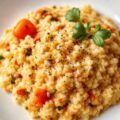
There’s something magical about a warm bowl of curry-especially when it’s packed with fresh, aromatic flavors that can transport you straight to the heart of Thailand. I remember the first time I had Thai coconut curry. I was sitting at a small restaurant, tucked away in a side street of Chiang Mai, and the fragrance was intoxicating. The moment that bowl of curry arrived, my senses were overwhelmed by the richness of the coconut milk, the tanginess of lime, and the warmth of the spices. I’ve been obsessed with recreating that experience ever since.
The beauty of this Thai Coconut Curry is its versatility and how easily you can make it at home, no matter where you are. The simplicity of fresh vegetables and creamy coconut milk combined with the punch of ginger, garlic, and spices makes for a dish that is comforting and light, yet deeply satisfying. Whether you’re a seasoned home cook or just diving into the world of curries, this recipe will help you recreate the flavors of Thailand in your own kitchen.
Thai Coconut Curry Vegetarian Recipe
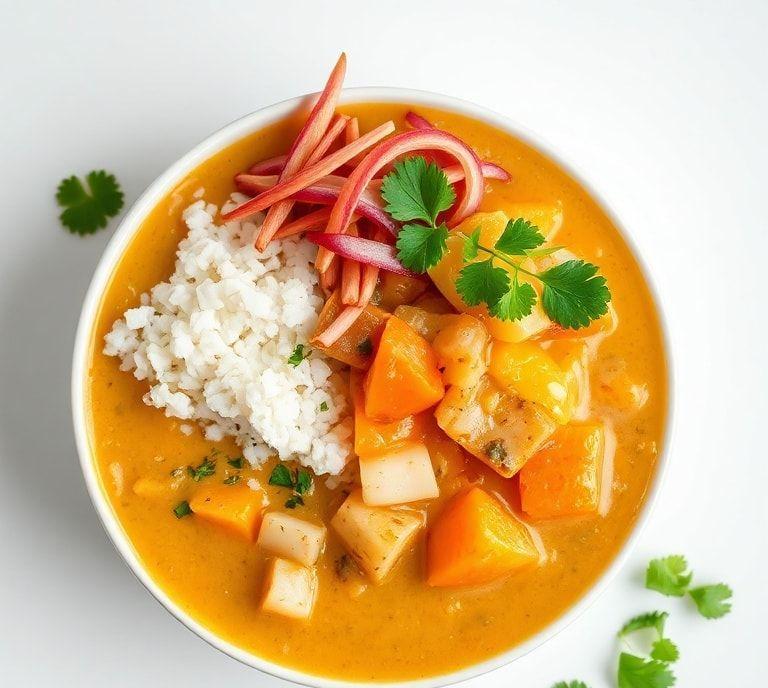
Thai Coconut Curry is a hearty, aromatic dish that brings together a perfect balance of sweet, salty, sour, and spicy flavors. The beauty of this recipe lies not only in its taste but also in its flexibility. You can make it vegetarian, vegan, or even add your favorite protein if you prefer. But today, let’s focus on the vegetarian version, where the vegetables shine.
This recipe is inspired by the traditional Thai curry but simplified for a home kitchen, using easy-to-find ingredients. Let’s dive into the magic of creating this dish that’s as vibrant as it is comforting.
Ingredients Needed
- Coconut Milk (1 can) – The base of the curry. It’s rich and creamy, creating that luscious texture that defines Thai coconut curry.
- Olive oil or Coconut Oil (2 tbsp) – For sautéing the aromatics and veggies. I prefer coconut oil here, as it adds an extra layer of flavor, but olive oil works too.
- Onion (1 medium, sliced) – This adds a savory foundation to the curry. I like to slice it thinly so it blends into the curry without overpowering the other ingredients.
- Garlic (3 cloves, minced) – Garlic is essential for its depth and aroma. I usually add a little extra because I love that strong, earthy flavor it gives.
- Ginger (1-inch piece, minced) – Fresh ginger brings that sharp, zesty heat. You’ll know it’s good when the smell of it fills your kitchen.
- Carrots (2 medium, sliced) – Carrots add sweetness and a lovely crunch to the curry.
- Bell Peppers (1 red, 1 yellow, chopped) – They bring color and a subtle sweetness, not to mention they’re packed with vitamins.
- Zucchini (1 medium, sliced) – This veggie adds a soft texture that soaks up all the curry goodness.
- Baby Spinach (3 cups) – A leafy green is a must, and spinach works perfectly here for its mild flavor and nutrient boost.
- Lemongrass (2 stalks, bruised) – This adds a citrusy, slightly herbal flavor that’s so characteristic of Thai cuisine. If you can’t find fresh lemongrass, a little lemon zest or a dash of lime juice will do the trick.
- Thai Red Curry Paste (2-3 tbsp) – This paste is what gives the dish its signature depth. The paste is made from red chilies, garlic, lemongrass, and other spices, and it’s a shortcut to getting that authentic flavor.
- Vegetable Broth (1 ½ cups) – You could use chicken broth, but to keep this dish vegetarian, veggie broth does the trick.
- Soy Sauce (2 tbsp) – This adds that salty, umami kick. If you’re vegan or gluten-free, tamari is a great alternative.
- Lime (1, juiced) – A squeeze of fresh lime at the end really brightens the curry and adds that quintessential Thai zing.
- Fresh Cilantro (for garnish) – I always sprinkle fresh cilantro on top for that final burst of freshness.
Cooking Instructions
- Prep the Ingredients: Start by slicing your veggies and setting them aside. Mince the garlic and ginger, and bruise the lemongrass by tapping it gently with the side of a knife to release its oils.
- Sauté the Aromatics: Heat your coconut oil (or olive oil) in a large pot or Dutch oven over medium heat. Add the onions, garlic, and ginger. Sauté them until they’re soft and fragrant-this should take about 3-4 minutes. The smell at this stage will already have you dreaming of the curry to come.
- Add the Curry Paste: Stir in the red curry paste and cook it for another minute. You’ll notice the paste darkens and releases a gorgeous aroma. It’s a sign that all those spices are activating.
- Simmer the Veggies: Pour in the coconut milk and vegetable broth, stirring to combine. Bring this to a simmer. Once it’s simmering, add in the carrots, bell peppers, zucchini, and lemongrass. Let this cook for about 10-12 minutes, or until the vegetables are tender but still vibrant.
- Finish with Spinach and Lime: Just before serving, stir in the spinach and let it wilt into the curry. Squeeze in fresh lime juice to brighten everything up, and taste for seasoning. If it needs a bit more salt or acidity, add a touch more soy sauce or lime.
- Serve: Ladle the curry into bowls, and garnish with fresh cilantro. You can also serve this over jasmine rice, quinoa, or even noodles if you’re craving something heartier.
Ingredient Science Spotlight
Let’s take a moment to appreciate the science behind some of these ingredients that make this curry so irresistible. Coconut milk, for example, is a star in Thai cooking not just for its creamy texture but for its ability to carry flavor. It’s made from the flesh of mature coconuts and is rich in fats that give your curry that satisfying mouthfeel.
Ginger, on the other hand, contains compounds called gingerols, which give it its signature spicy heat. But ginger is more than just flavorful-it has anti-inflammatory properties and can help with digestion, making this curry not only delicious but beneficial.
And the lemongrass? Its citrusy oils come from compounds like citral, which is antimicrobial and aromatic. In Thai cooking, it’s used to balance the rich flavors of coconut milk and add that refreshing quality to the dish.
Expert Tips
- The Right Consistency: If you find the curry too thick, just add a bit more broth or water to thin it out to your desired consistency. If it’s too thin, you can let it simmer uncovered for a bit longer to reduce.
- Balancing Flavors: Thai curry is all about the balance of flavors. If the curry is too spicy, a little extra coconut milk can tame it. If it’s too mild, a little more curry paste or even a pinch of chili flakes will bring the heat.
- Fresh Ingredients Matter: The fresher your veggies, the better your curry will taste. The vibrant color and texture of fresh vegetables make the dish not only tastier but more visually appealing.
Recipe Variations
- Add Tofu or Tempeh: If you want to add a plant-based protein, tofu or tempeh works wonderfully. Just sauté the tofu until golden and crispy before adding it to the curry.
- Different Veggies: Feel free to swap in other veggies like sweet potatoes, eggplant, or broccoli. Thai curries are incredibly flexible, and you can easily use what’s in season or what you have on hand.
- Make It Spicy: If you’re a spice lover, add more Thai bird’s eye chilies or a spoonful of sambal oelek for an extra kick. Or, serve with sliced fresh chilies for heat control at the table.
Final Words
This Thai Coconut Curry is a vibrant, comforting dish that captures the essence of Thailand’s flavors with simplicity. It’s one of those recipes that feels like a warm hug in a bowl. The creamy coconut milk, the aromatic curry paste, the crunch of vegetables-it all comes together in perfect harmony.
Cooking this dish is a celebration of the beautiful balance of flavors that Thai cuisine is known for. You don’t need to be an expert chef to pull it off. Just a little patience and a lot of love for good food.
FAQs
What Vegetables Can I Use In A Thai Coconut Curry Vegetarian Recipe?
You can use a variety of vegetables depending on your preferences, but common options include bell peppers, carrots, zucchini, broccoli, cauliflower, sweet potatoes, and eggplant. Mushrooms also make a great addition for texture and flavor. Be sure to use vegetables that cook at similar rates to ensure even cooking.
Can I Make A Thai Coconut Curry Vegetarian Recipe Without Tofu?
Yes, you can easily omit tofu if you prefer or substitute it with other plant-based protein options like tempeh, chickpeas, or even lentils. Additionally, you can add more vegetables or serve the curry with a side of rice or quinoa to make it filling.
How Do I Make The Thai Coconut Curry Vegetarian Recipe Spicy?
To make the curry spicy, you can add ingredients such as fresh Thai red or green chilies, red curry paste, or chili flakes to taste. If you prefer a milder curry, start with a smaller amount and adjust as necessary. Additionally, some recipes call for a splash of sriracha or sambal oelek for extra heat.