Sometimes, a dish just feels like a warm hug in a bowl. And for me, that dish is Brunswick Stew. Growing up, we always had some variation of it-rich, hearty, and perfect for cozy fall evenings or feeding a crowd at family gatherings. Traditionally, Brunswick Stew often features a mix of meats, like chicken or pork, but over the years, I’ve learned how to make it entirely vegetarian without sacrificing that comforting depth of flavor. It’s a small kitchen rebellion, turning a classic Southern dish on its head, but it’s one that keeps getting rave reviews every time I make it.
This vegetarian version is my go-to when I want something filling, warming, and satisfying without the meat. The beauty of Brunswick Stew, whether vegetarian or traditional, is how it can carry all the flavors of slow-cooked comfort food, even when you swap out the animal proteins. Plus, it’s a great way to get in some extra vegetables without feeling like you’re ’eating your greens’ for the sake of health. Let’s dive into how you can make this nourishing dish, starting with the ingredients you’ll need.
Vegetarian Brunswick Stew Recipe
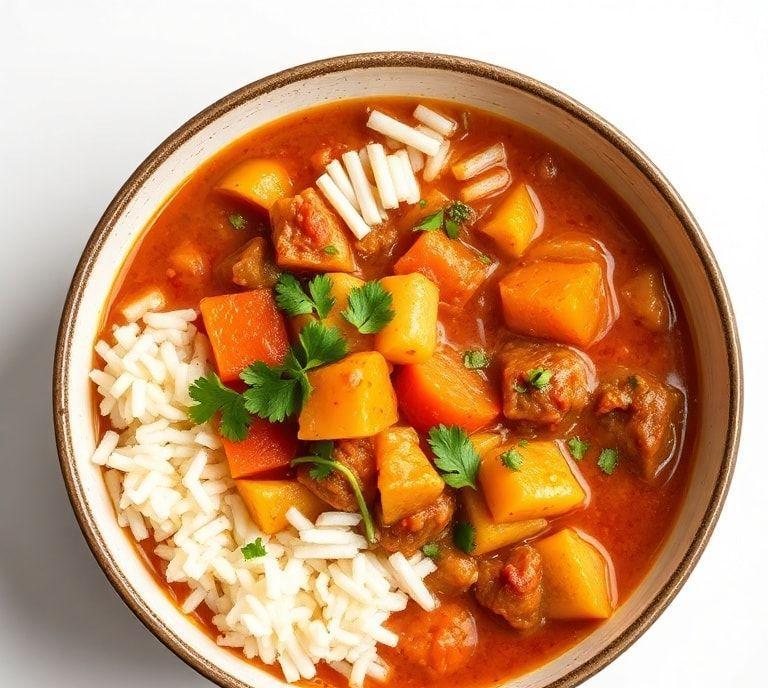
I love how this recipe combines simple ingredients in a way that brings out rich, complex flavors. And the best part? It’s a one-pot wonder, so cleanup is a breeze, making it a weeknight favorite in my house.
Ingredients
- 2 tablespoons olive oil
- 1 medium onion, finely chopped
- 2 cloves garlic, minced
- 1 large carrot, peeled and diced
- 2 medium potatoes, peeled and diced
- 1 cup corn kernels (fresh, frozen, or canned)
- 1 cup diced tomatoes (canned or fresh)
- 1 cup green beans, chopped into 1-inch pieces
- 1 cup okra, sliced (optional, but it adds great texture)
- 4 cups vegetable broth
- 2 tablespoons tomato paste
- 1 teaspoon smoked paprika
- 1 teaspoon dried thyme
- 1 teaspoon ground cumin
- Salt and pepper to taste
- Hot sauce or red pepper flakes (optional for heat)
Cooking Instructions
- Sauté the Veggies: Heat olive oil in a large pot over medium heat. Add the chopped onion and garlic, and sauté for 3-5 minutes until they soften and become fragrant. This is where the foundation of flavor begins-nothing beats the smell of onions and garlic cooking in oil.
- Add the Root Veggies: Toss in the diced carrots and potatoes, stirring them to coat with the oil. Cook for 5-7 minutes until they start to soften a bit. These hearty vegetables are the backbone of the stew, giving it that thick, satisfying texture.
- Throw in the Tomatoes and Corn: Stir in the diced tomatoes and corn. If you’re using fresh tomatoes, they’ll break down as they cook, creating a natural base for the stew. This is where the color starts to build up, and the stew turns a beautiful golden hue.
- Pour in the Broth: Add the vegetable broth and bring the mixture to a boil. Once it’s boiling, reduce the heat to low and let it simmer for about 30 minutes, or until the vegetables are tender. If you like a thicker stew, you can mash some of the potatoes with a spoon to help it thicken as it cooks.
- Add the Seasonings: Stir in the tomato paste, smoked paprika, thyme, cumin, and season generously with salt and pepper. At this point, you’re creating layers of flavor that will deepen as it continues to cook.
- Final Touches: Add the chopped green beans and okra (if using), and let it simmer for another 15 minutes. If you want a bit of heat, now’s the time to add hot sauce or red pepper flakes to taste.
- Serve and Enjoy: Once everything is tender and the flavors have melded together, taste it for seasoning one last time. You can serve this stew on its own, or with some warm cornbread or crusty bread on the side.
Ingredient Science Spotlight
One of my favorite things about cooking this stew is seeing how each ingredient contributes to the overall dish, both in flavor and texture. Let’s take a deeper look at some of these ingredients and their role in this hearty stew.
- Potatoes: Potatoes are the silent hero of this recipe. When they cook down, they release starches that help thicken the stew and give it a creamy mouthfeel, making the dish feel heartier without needing any dairy or meat.
- Corn: Corn adds a subtle sweetness to the stew that balances the smokiness of the paprika and the richness of the tomatoes. Its natural sugars deepen over the long cooking process, and I love how it gives the dish a pop of texture too.
- Tomato Paste & Smoked Paprika: These two ingredients work magic in this recipe. Tomato paste adds a deep umami flavor, while smoked paprika contributes a smoky depth that makes you think this stew has been cooking over an open fire (even though it hasn’t).
- Okra: If you’ve ever had gumbo, you’ll recognize the texture okra brings to the table. It thickens the stew and gives it that satisfying, slightly gelatinous texture, which is just one more reason it’s an ingredient worth keeping in the pantry for dishes like this.
Expert Tips
- Batch Cooking: This stew tastes even better the next day. If you’re cooking for a crowd, make a double batch and store the leftovers in an airtight container in the fridge for up to four days. It’s an easy meal prep option, and the flavors develop beautifully over time.
- Texture Tips: If you prefer a smoother, creamier stew, use an immersion blender to puree some of the vegetables halfway through cooking. This will help break down the potatoes and carrots and make the stew even thicker.
- Adjusting Seasonings: Feel free to adjust the seasonings to match your taste. Want more heat? Add extra hot sauce. Prefer a more herby flavor? Toss in some rosemary or oregano to complement the thyme.
- Vegan Option: This stew is already vegan if you skip adding cheese or butter when serving. You could even add a drizzle of coconut cream for a little richness if you prefer.
Recipe Variations
Like any good stew, this one is versatile, so feel free to experiment with different variations. Here are a few ideas:
- Add Beans: For extra protein and heartiness, throw in a can of white beans or kidney beans. These legumes will also soak up the flavors of the stew, making each bite more satisfying.
- Smoky Tempeh or Tofu: If you’re craving a bit of ’meaty’ texture, try adding chunks of smoked tempeh or firm tofu. Both options will absorb the stew’s smoky flavors and give you that savory depth you’d miss from the traditional meats.
- Seasonal Veggies: The beauty of a stew is that it’s easy to adapt based on what’s in season. Try adding some butternut squash in the fall, or zucchini in the summer, depending on what’s available.
- Chili Twist: Add chili powder and black beans for a Southwestern version of the stew. You can even throw in some diced bell peppers for added sweetness and crunch.
Final Words
At its core, Brunswick Stew is a testament to the power of simple ingredients. You don’t need fancy, expensive products to create something that’s both satisfying and full of flavor. The vegetables speak for themselves, and the slow cooking process lets each of them shine in their own way.
I think what makes this dish so special is that it doesn’t need to be complicated. It’s a humble stew that reminds me of home, of sitting around the table with loved ones and sharing something made with care. And when you take that first spoonful of the thick, smoky, veggie-packed broth, it’s easy to understand why this recipe has stood the test of time.
FAQs
What Vegetables Are Typically Used In A Vegetarian Brunswick Stew?
A vegetarian Brunswick stew often includes a variety of hearty vegetables such as potatoes, carrots, corn, lima beans, tomatoes, and onions. These ingredients provide a rich base for the stew, mimicking the traditional flavors of the meat-based version while offering a wholesome and nutritious alternative.
Can I Make A Vegetarian Brunswick Stew Ahead Of Time And Freeze It?
Yes, vegetarian Brunswick stew can be made ahead of time and frozen. To freeze, allow the stew to cool completely after cooking, then transfer it to an airtight container or freezer bag. When you’re ready to enjoy it, simply reheat it on the stove or in the microwave. The flavors often improve after a day or two, so it’s a great dish to prepare in advance.
What Can I Substitute For The Traditional Meat In A Vegetarian Brunswick Stew?
In a vegetarian Brunswick stew, you can substitute the traditional meat with plant-based options such as textured vegetable protein (TVP), lentils, chickpeas, or even diced mushrooms. These ingredients provide a similar texture and depth of flavor while keeping the stew entirely plant-based.