
Have you ever faced that moment of longing when you’re craving something bread-like, soft and warm, but you know you’re sticking to a keto or vegetarian lifestyle? That moment when bread, with its fluffy, carb-filled allure, is out of reach. I’ve been there-looking at my favorite sandwich loaf and sighing, knowing it’s not an option on keto. But here’s the thing: you don’t need to give up bread altogether. It’s actually possible to create a version that fits perfectly into your vegetarian keto routine, and it can even taste amazing. I’ve spent hours experimenting, trying to make the perfect low-carb, vegetarian bread that still satisfies the soul. Today, I’m sharing my absolute favorite vegetarian keto bread recipe that’s sure to win you over.
There’s a lot of chatter about how difficult it is to bake keto bread that actually tastes good. I’m going to tell you that it is possible with the right ingredients and a bit of patience. Let’s dive into it, step by step, and talk about how to make a bread that’s not just low-carb, but also packed with nutrients, flavor, and texture.
Vegetarian Keto Bread Recipe
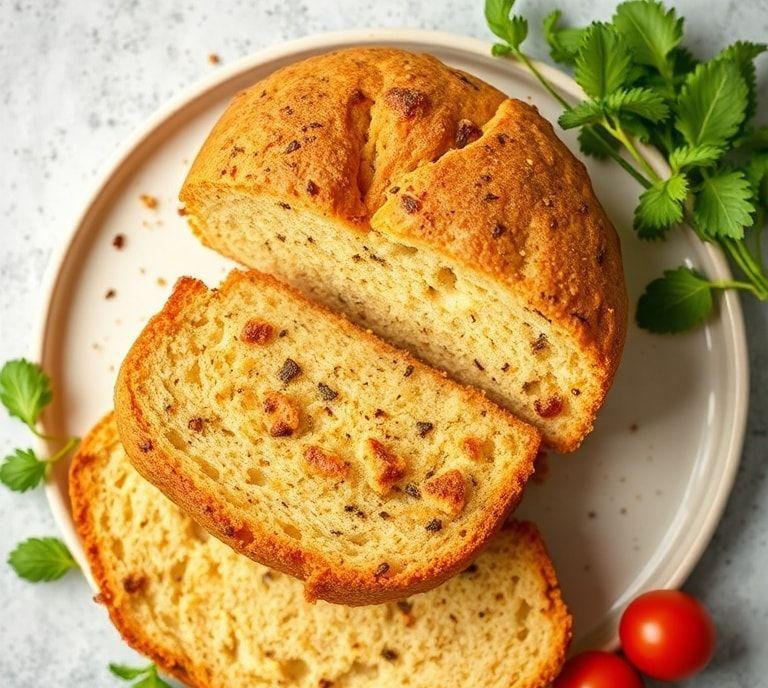
Let’s start with the recipe itself. This bread is dense, flavorful, and so satisfying-no dry, crumbly disasters here. We’re talking about a bread that’s got a nice crumb structure, a subtle savory note, and a rich texture, thanks to the magic of a few key ingredients. It’s not going to rise like traditional wheat bread, but it has the heartiness and chewiness we all love.
Ingredients Needed
- 2 cups almond flour (this is your base, rich in fats and low in carbs)
- 1/2 cup coconut flour (helps absorb moisture and adds a slight sweetness)
- 1/4 cup ground flaxseed (adds fiber and healthy fats)
- 1/4 cup psyllium husk powder (this is what gives your bread that perfect chewy texture)
- 1/2 teaspoon salt (essential for balancing the flavors)
- 1 teaspoon baking powder (helps with a little lift and lightness)
- 5 large eggs (the binding agent and source of protein)
- 1/4 cup olive oil (adds richness and moisture)
- 1 tablespoon apple cider vinegar (adds a subtle tang and activates the baking soda)
- 1/2 cup water (to bring everything together)
Cooking Instructions
- Preheat the Oven: Start by preheating your oven to 350°F (175°C). I always think this step is so important because if the oven is too cold when you put the bread in, it can mess with the texture.
- Mix the Dry Ingredients: In a large bowl, combine the almond flour, coconut flour, flaxseed, psyllium husk powder, salt, and baking powder. It’s crucial to get these ingredients mixed together well, as the texture and structure of the bread depend on it.
- Beat the Eggs: In a separate bowl, whisk the eggs until they’re light and frothy. This step helps to incorporate air into the bread and gives it a fluffier texture. Then, add the olive oil and apple cider vinegar to the egg mixture and whisk again.
- Combine the Wet and Dry Ingredients: Pour the wet ingredients into the dry ingredients and stir until you have a thick, doughy batter. You’ll notice that it’ll start to come together quite quickly-this is the psyllium husk working its magic.
- Add Water: Slowly add in the water, one tablespoon at a time, until the dough is thick but spreadable. You might need to adjust the water slightly depending on how your dough is coming together. Don’t be afraid to add just a bit more if it’s looking too dry.
- Form the Dough: Spoon the dough into a greased loaf pan, smoothing the top with a spatula. It won’t rise as much as traditional bread, so shape it into a nice loaf shape to give it some height.
- Bake: Bake the bread for 35-40 minutes or until the top is golden brown, and a toothpick inserted into the center comes out clean. I like to check it around the 30-minute mark to make sure it’s not getting too dark on top.
- Cool: Let the bread cool completely before slicing. I know it’s tempting, but if you cut it too soon, the inside will be too moist, and it may fall apart.
Ingredient Science Spotlight
I think one of the coolest things about this bread is the science behind the ingredients. Each one serves a very specific purpose. Let’s break down a few key players in this recipe and why they matter so much.
- Almond Flour: This is your base, and it’s rich in healthy fats, fiber, and protein. It’s low in carbs, which makes it the perfect substitute for traditional flour in a keto diet. Almond flour is also a lot more nutrient-dense, giving your bread more of a wholesome, nourishing vibe.
- Coconut Flour: A little goes a long way with coconut flour-it’s super absorbent. It helps keep the bread from being too wet while contributing to a slightly sweet, coconutty flavor.
- Psyllium Husk Powder: This is the game-changer in texture. Psyllium husk binds moisture and adds a chewy, almost bread-like consistency to your loaf. Without it, you’d end up with something that’s more like a cracker than bread.
- Flaxseed: Rich in omega-3 fatty acids, flaxseed not only adds a nice, subtle flavor but also acts as a binder. It’s also a fantastic source of fiber, which is important for gut health.
- Eggs: Eggs are the glue that holds everything together. They provide moisture, structure, and help the bread rise just a little bit. Plus, they add protein, making this bread a more balanced option than traditional bread.
Expert Tips
- Don’t skip the cooling step: It might be hard, but cooling the bread before you slice it helps it set and prevents it from being too moist in the middle.
- Add herbs and spices: If you want to give the bread a little more personality, add some rosemary, garlic powder, or even nutritional yeast for a cheesy flavor.
- Try a different fat: If you’re not a fan of olive oil, you can use melted butter or avocado oil. Each fat will subtly change the flavor and texture, so feel free to experiment.
- Storage tips: This bread tends to dry out faster than traditional bread, so make sure to store it in an airtight container. You can also slice it and freeze the pieces to toast whenever you want a warm slice.
Recipe Variations
Once you’ve mastered this basic loaf, the possibilities are endless. Here are a few ideas to switch things up:
- Herb-infused bread: Add fresh herbs like thyme, oregano, or basil to give your bread an aromatic twist. This is especially great if you’re using it for sandwiches or dipping into olive oil.
- Garlic bread: Incorporate minced garlic and a touch of Parmesan cheese into the batter before baking. You’ll end up with a savory, low-carb garlic bread that pairs perfectly with a keto meal.
- Sweet variation: Add a little cinnamon, a pinch of nutmeg, and a tablespoon of erythritol or stevia for a low-carb, sweet bread that goes wonderfully with almond butter or sugar-free jam.
Final Words
This recipe has been a true kitchen experiment that I’m so glad I finally nailed. It’s easy enough for a weekday meal, but it’s also special enough to serve at a family dinner. Whether you’re slathering it with butter, using it for avocado toast, or making a sandwich, it’s the bread that satisfies the keto craving without derailing your goals.
I know it’s hard to imagine the perfect bread without the usual carbs, but trust me: this vegetarian keto bread will become a staple in your kitchen. It checks all the boxes for me-delicious, low-carb, vegetarian, and packed with healthy ingredients. Plus, it’s customizable enough to make it your own.
FAQs
What Ingredients Are Typically Used In A Vegetarian Keto Bread Recipe?
Common ingredients include almond flour or coconut flour as the low-carb base, psyllium husk for structure, eggs for binding, baking powder, salt, and optional additions such as flaxseed meal, yogurt, or cheese depending on the specific recipe. All ingredients avoid meat products while remaining low in carbohydrates.
How Can I Ensure My Vegetarian Keto Bread Has A Good Texture And Does Not Turn Out Crumbly?
Using psyllium husk powder helps create elasticity and a bread-like crumb. Adding the correct ratio of moisture, usually from eggs or unsweetened yogurt, is crucial. Allowing the batter to rest for a few minutes before baking also improves structure by letting the psyllium fully hydrate.
Can Vegetarian Keto Bread Be Stored, And If So, How Long Does It Stay Fresh?
Vegetarian keto bread stores well in an airtight container at room temperature for up to three days. For longer storage, refrigerate it for up to one week or freeze it for up to two months. When frozen, slices can be thawed or lightly toasted before serving.