There are few dishes that manage to stir up nostalgia, comfort, and a sense of warmth in such a direct way as a steaming bowl of pho. Growing up, pho was something I could always count on for both a satisfying meal and a little taste of tradition, no matter where I was. I remember the first time I tried vegetarian pho-it was at a small, hole-in-the-wall Vietnamese place in my neighborhood. I’d always loved pho, but this version, full of fresh herbs and deep, fragrant broth, felt like it transported me straight to the bustling streets of Hanoi.
When you’re looking to make pho at home, you’ll quickly realize that the base-pho stock-is where all the magic begins. The stock, if made right, is rich and complex, a beautiful balance of spices, herbs, and umami. This vegetarian version doesn’t just offer the same comforting flavors as the traditional meat-based pho, but it opens up a whole new world of flavors. For those who want to enjoy pho without meat, or simply experiment with a lighter, plant-based twist, this vegetarian pho stock recipe will become a go-to.
Vegetarian Pho Stock Recipe
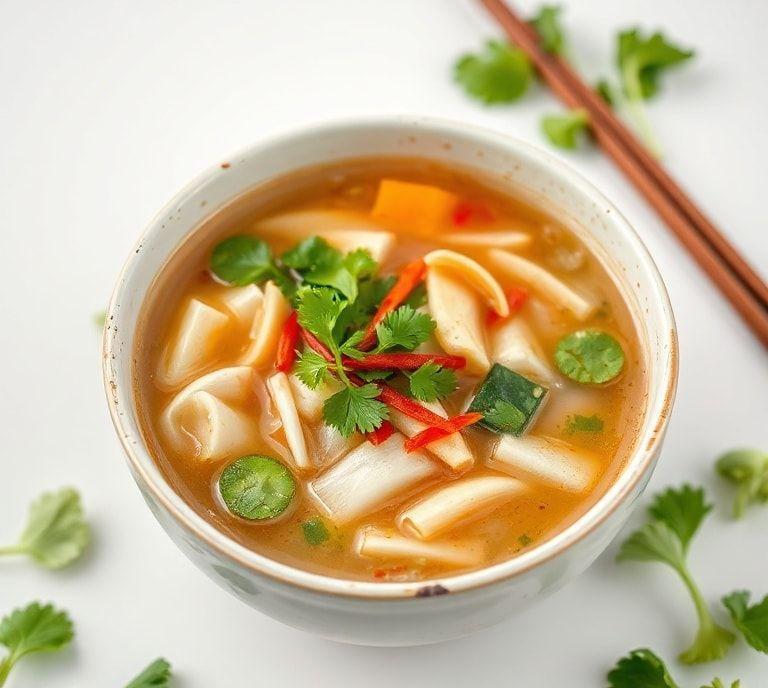
Before we dive into the recipe itself, let’s talk about what makes this vegetarian pho stock special. Traditional pho relies on meat bones-usually beef or chicken-to provide that deep, savory richness. But with the right blend of aromatics and spices, you can achieve a similarly satisfying broth without the meat. It’s all about layering flavors-charred onions, toasted spices, and a well-timed simmer that lets everything meld together. While it might take a bit of time, the effort is so worth it.
Ingredients Needed
The ingredients for this vegetarian pho stock are simple but effective. You’ll notice the recipe doesn’t require anything fancy or difficult to find, but every single ingredient plays a role in building flavor.
- Yellow onion – This is one of the foundational aromatics in pho stock. You’ll want to char it to bring out its sweetness and complexity.
- Ginger – Fresh ginger adds a warm, spicy note to the broth, balancing out the richness of the stock.
- Star anise – The distinct, licorice-like flavor of star anise is one of the defining flavors of pho.
- Cinnamon sticks – Adds a warm, woody note that gives the broth that unmistakable pho flavor.
- Cloves – These tiny spice buds are incredibly powerful, adding depth and a touch of earthiness.
- Cardamom pods – For a bit of citrusy, floral flavor that complements the other spices.
- Vegetable broth – Instead of meat stock, we’re using a rich vegetable broth to create that savory foundation. You can use store-bought or homemade broth.
- Soy sauce – Adds a bit of saltiness and umami without needing fish sauce, which is commonly used in traditional pho.
- Mushrooms (preferably shiitake) – These add that deep, earthy umami that mimics the richness of meat in a vegetarian broth.
- Salt – Just a little to bring everything into balance.
- Palm sugar – This adds a hint of sweetness, balancing out the spices and acidity in the broth.
- Fresh herbs – Typically, cilantro, basil, and mint are used as garnishes, but they also contribute to the broth’s aroma when simmered in.
Cooking Instructions
Now, the fun part: making the stock. This is where the magic happens, and the process might take a little patience, but it’s definitely worth it.
-
Char The Aromatics
Start by charring the onion and ginger. I love this step because it really adds a deep, smoky layer to the broth. To do this, place the onion (cut in half, skin on) and ginger (whole, unpeeled) directly over an open flame, either on a grill or with tongs over your stovetop burner. You’re looking for blackened, blistered skin. This step adds a unique depth of flavor that’s crucial for that pho taste.
-
Toast The Spices
In a dry pan, toast the star anise, cinnamon sticks, cloves, and cardamom pods over medium heat for 2-3 minutes until you can smell their fragrance. Don’t let them burn; just lightly toast them to release their oils.
-
Simmer The Broth
In a large pot, combine your charred onion and ginger with the toasted spices. Add in the vegetable broth and soy sauce, and bring it to a boil. Once it starts to boil, reduce the heat and let it simmer for at least 45 minutes. The longer it simmers, the richer the flavor will be.
-
Add Mushrooms And Sweetener
After the broth has been simmering for 45 minutes, add the mushrooms and palm sugar. Let it simmer for another 15-20 minutes. The mushrooms will help add that meaty flavor, while the sugar rounds out the sharpness of the broth.
-
Strain The Broth
Once your broth has reached a rich, golden color and deep flavor, strain it through a fine mesh sieve to remove all the solids. You should be left with a clear, fragrant broth.
-
Taste And Adjust
Taste the broth, and if it needs more salt, add a little more soy sauce or salt to taste. If it’s too intense, you can always dilute it with a bit more vegetable broth or water.
Ingredient Science Spotlight
Now that you’ve got your stock simmering away, let’s talk about the science behind some of the key ingredients.
- Onions and Ginger: Both of these ingredients bring a savory sweetness when charred. The Maillard reaction (that delicious browning) occurs when these ingredients hit heat, creating new, complex flavors. Charred onions, in particular, bring out a sweetness that balances the spices in pho.
- Mushrooms: Shiitake mushrooms are not just a great texture addition to vegetarian pho-they bring a unique umami that mimics the rich flavors of meat. Mushrooms are rich in glutamates, naturally occurring compounds that boost the savory, meaty flavor of the broth, giving you that crave-worthy depth.
- Spices: The combination of star anise, cinnamon, cloves, and cardamom creates the perfect aromatic base for pho. These spices work together to form a deep, fragrant backdrop that can stand up to the broth’s light bitterness and sweetness, adding complexity with every spoonful.
Expert Tips
-
Don’t Skip The Charring
Char the onion and ginger. It may seem like an extra step, but this caramelization process adds complexity that you can’t achieve otherwise. It’s that smoky sweetness that gives pho broth its signature flavor.
-
Go Slow
Let your stock simmer for a while to allow the flavors to meld. The longer you let it cook, the richer and more complex the broth becomes. While you can get away with simmering it for an hour, I recommend a full two hours if you have the time.
-
Keep It Simple With The Garnishes
Fresh herbs are essential, but don’t overdo it. A small handful of cilantro, mint, and Thai basil, along with a squeeze of lime, are all you need to round out the bowl.
-
Experiment With Mushrooms
If you can’t find shiitake, try cremini or portobello. These mushrooms will also give a deep umami flavor, though shiitake is preferred for its intense richness.
Recipe Variations
- Spicy Vegetarian Pho: Add some fresh Thai bird’s eye chilies to the stock, or use sriracha when serving for a bit of heat.
- Herb-Infused Broth: For a deeper herbal taste, add some lemongrass stalks to the simmering pot along with your spices. This will add a bright, fragrant note.
- Tofu Pho: Add chunks of firm tofu to the broth to make it even more hearty. You can pan-fry the tofu for extra texture before adding it to the bowl.
- Coconut Pho: For a richer, creamier broth, add a splash of coconut milk when simmering your stock.
Final Words
Pho, in all its comforting glory, is a dish that can take on many forms. This vegetarian pho stock recipe is perfect for those looking to enjoy the deep, aromatic flavors of pho without the meat. It’s a recipe that is full of complexity, but also one that you can adapt to suit your own tastes. Whether you’re cooking for yourself, family, or friends, this recipe will leave everyone feeling satisfied and nourished. The beauty of pho lies in its simplicity, but also in the way you can make it your own.
FAQs
What Ingredients Are Essential For A Flavorful Vegetarian Pho Stock?
The foundation of a rich vegetarian pho stock includes aromatic vegetables such as onions, carrots, and celery, along with fresh ginger and garlic for depth of flavor. Key spices like star anise, cinnamon sticks, cloves, and coriander seeds provide the characteristic pho aroma. Soy sauce or tamari, along with a pinch of salt, helps enhance the overall taste. For added umami, dried shiitake mushrooms or kombu (edible kelp) are commonly used.
How Long Should I Simmer Vegetarian Pho Stock To Develop Maximum Flavor?
For a deeply flavorful stock, it is recommended to simmer the ingredients gently for at least 45 minutes to 1 hour. Longer simmering, up to 2 hours, can extract more sweetness from the vegetables and intensify the aromatic spices. It is important to maintain a low simmer rather than a rolling boil to prevent cloudiness and preserve a clean, clear broth.
Can I Prepare Vegetarian Pho Stock In Advance And Store It?
Yes, vegetarian pho stock can be prepared ahead of time. Once cooled, it can be stored in the refrigerator for up to 4-5 days. For longer storage, freezing is recommended; the stock can be kept in airtight containers or freezer-safe bags for up to 3 months. When reheating, gently warm the stock without boiling to maintain the delicate flavors.