There’s something about a bowl of ramen that feels like a hug in a bowl. The warmth, the flavors, the comforting textures-everything about it just feels right. But if you’re like me, trying to keep your meals balanced and healthy while still satisfying those cravings, traditional ramen with all its meat and rich broths might not always cut it. So, I started experimenting with a vegetarian version that still carries all the deep, rich flavors of a classic ramen but without the heaviness. And I’ve got to say, this vegetarian ramen bowl is now a staple in my kitchen.
I think part of the magic in ramen is how it brings together simplicity and complexity. You’ve got the noodles, the broth, and then an endless array of toppings and additions to create a bowl that feels like it’s your own. Whether you’re a vegetarian, vegan, or just someone trying to cut back on meat, this recipe is going to hit all the right notes. So grab a bowl, and let’s dive into how to make a ramen that feels as good for your body as it does for your soul.
Vegetarian Ramen Bowl Healthy Recipe
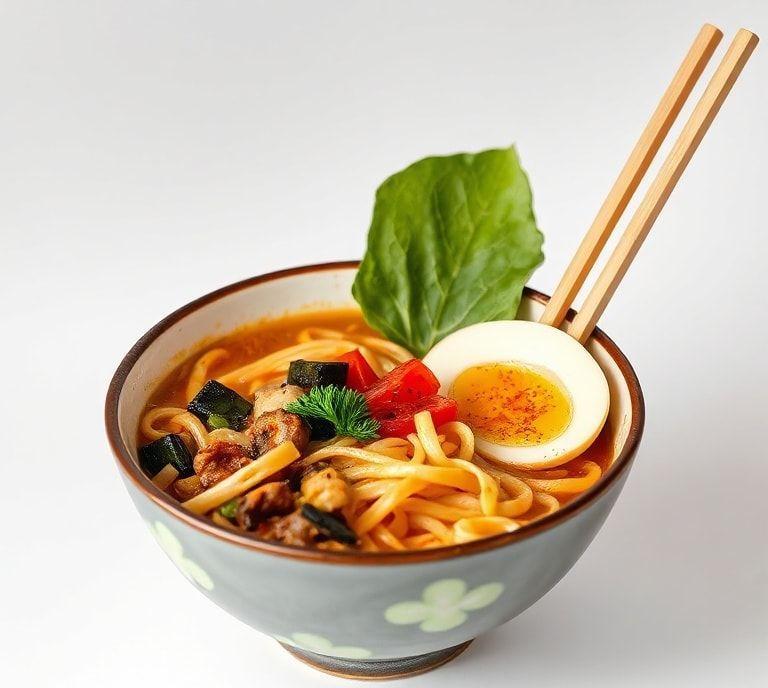
This recipe is designed to deliver that same comforting experience, but it’s lightened up with fresh veggies, rich umami flavors, and a broth that won’t leave you feeling sluggish. By focusing on plant-based ingredients, we’re bringing in all sorts of textures and flavors that make this bowl feel like a complete meal.
Ingredients Needed
Let’s start with the star players. You don’t need a whole laundry list of ingredients here. In fact, you might already have most of them in your pantry or fridge.
- Ramen noodles (preferably fresh) – These are the base of the bowl, and you can choose from wheat, rice, or even buckwheat noodles, depending on your preference.
- Vegetable broth – This gives us that rich, savory backdrop. If you want to kick it up a notch, you can make your own from scratch, but a good quality store-bought one works just as well.
- Miso paste – This is going to bring in that savory depth of flavor. It’s a fermented soybean paste, and it’s a game changer when it comes to creating umami.
- Soy sauce – A dash of this enhances the broth with that salty kick that balances the richness of the miso.
- Sesame oil – This adds a beautiful, nutty fragrance to the broth. Just a touch goes a long way.
- Garlic & ginger – These two are like the best friends of any Asian dish. They give your broth an aromatic base that’s just impossible to resist.
- Tofu (firm) – A great protein option that absorbs all the flavors of the broth. You can also use tempeh if you prefer.
- Veggies – Mushrooms (shiitake or cremini work well), spinach, bok choy, and corn. These will give the ramen not just flavor, but color and crunch.
- Toppings – Soft-boiled egg (optional for a vegetarian version), green onions, nori, and a sprinkle of sesame seeds.
Cooking Instructions
Now, let’s get to the fun part-actually making the ramen. Here’s how I go about it:
- Prepare the broth: Start by heating a bit of sesame oil in a large pot. Toss in minced garlic and ginger, and sauté them for a minute until they release that heavenly fragrance. Add the vegetable broth and bring it to a simmer. Stir in the miso paste and soy sauce, and keep simmering for about 10 minutes to let the flavors meld together.
- Prep the tofu: While the broth simmers, press the tofu to remove excess moisture (I usually wrap it in a clean towel and place something heavy on top for about 10 minutes). Once pressed, cut it into cubes. Heat a little oil in a pan and sauté the tofu cubes until they’re golden and crispy on all sides. This step gives the tofu that wonderful contrast against the silky broth.
- Cook the noodles: While the broth is simmering, cook your ramen noodles according to package instructions. You want them just al dente-firm enough to hold their texture in the broth.
- Assemble your bowl: When the noodles are ready, divide them between your bowls. Ladle the miso broth over the noodles, and then start adding your veggies. I love to add bok choy, mushrooms, and spinach directly to the broth so they cook gently in the hot liquid. But if you like your veggies on the crispier side, you can sauté them separately. Top with crispy tofu, a halved soft-boiled egg (if using), and garnish with green onions, sesame seeds, and nori strips.
- Final touches: I always finish with a drizzle of sesame oil over the top for an extra layer of richness. And if you’re in the mood for a little heat, a few dashes of chili oil or red pepper flakes never hurt anyone.
Ingredient Science Spotlight
There’s a lot of magic going on in this recipe beneath the surface of those simple ingredients. For instance, miso-the fermented soybean paste-is a powerhouse of probiotics, which are great for gut health. It’s also a source of plant-based protein, and its natural umami flavor is why it can stand in for the meatiness we often crave. The fermentation process breaks down the beans into simpler nutrients, making them easier for our body to absorb.
Then there’s tofu. While it often gets a bad rap for being bland, tofu is like a sponge. It absorbs whatever flavors you throw at it, making it the perfect protein base for this dish. It’s also packed with soy protein and can be a fantastic source of iron, calcium, and magnesium, especially when you go for the firm variety.
The ginger and garlic aren’t just for flavor. Both have anti-inflammatory properties and are known for their digestive benefits. Garlic, in particular, contains compounds that can boost the immune system and promote heart health.
Expert Tips
- Balance the broth: If your broth feels a little too salty, add a splash of rice vinegar or a bit of sugar to mellow it out. If it’s too thin, a tablespoon of miso or a spoonful of peanut butter can help thicken it up without taking away from the flavor.
- Noodle texture: If you want your noodles to soak up the broth more efficiently, cook them just until they’re al dente. Overcooking can make them mushy, and no one likes mushy ramen.
- Crisp tofu: Pressing tofu is crucial for getting that nice crispness. Don’t skip it! If you’re in a rush, you can always use pre-pressed tofu, which is available at many grocery stores these days.
- Customize your toppings: The toppings make or break a ramen bowl. Get creative! Avocado slices, pickled ginger, or a spoonful of chili paste can really elevate the dish.
Recipe Variations
- Vegan Version: Simply swap out the soft-boiled egg for an extra helping of crispy tofu or roasted chickpeas. You can also use a vegan miso paste to ensure everything is plant-based.
- Spicy Ramen: Add chili paste, sriracha, or a spoonful of gochujang to your broth for a spicy kick. You can also top with sliced fresh chilies if you’re a heat lover.
- Noodles and more veggies: If you want to go heavier on the vegetables, add things like sweet potatoes, carrots, or zucchini. I’ve even thrown in edamame for a bit of extra protein.
Final Words
Making ramen at home isn’t just about following a recipe. It’s about infusing it with your own personal touch-whether that’s by adding an extra splash of soy sauce or switching up the toppings depending on your mood. The beauty of this vegetarian ramen bowl is how flexible it is. You can play with textures and flavors, and each time you make it, it’ll feel like you’ve created something new.
I’ll admit, the first time I made it, I wasn’t sure how the combination of miso, sesame oil, and tofu would come together. But once I tasted the final product, I was hooked. This dish is now my go-to comfort food. Plus, it’s a lot healthier than your typical ramen, so I can indulge without feeling sluggish afterward.
FAQs
What Are The Health Benefits Of Making A Vegetarian Ramen Bowl?
A vegetarian ramen bowl offers several health benefits. It is typically lower in fat and calories compared to traditional ramen with meat. The plant-based ingredients, such as vegetables, tofu, and whole grains, provide essential vitamins, minerals, and fiber. Additionally, it can be rich in antioxidants, especially when using fresh vegetables like spinach, carrots, and mushrooms. This makes it a nutritious, heart-healthy, and weight-friendly meal option.
Can I Use Whole Wheat Noodles In A Vegetarian Ramen Bowl For Added Health Benefits?
Yes, using whole wheat noodles in your vegetarian ramen bowl is a great choice for adding more fiber, vitamins, and minerals. Whole wheat noodles are higher in fiber than regular white noodles, which can help with digestion and keep you feeling full for longer. They also have a lower glycemic index, which helps stabilize blood sugar levels. This makes whole wheat noodles a healthier alternative to the refined versions typically used in ramen.
How Can I Make A Vegetarian Ramen Bowl Lower In Sodium?
To lower the sodium content in a vegetarian ramen bowl, start by using low-sodium broth or making your own broth with fresh ingredients. Avoid using pre-packaged seasoning packets, which are often high in salt, and instead create your own seasoning blend with ingredients like soy sauce (use reduced-sodium soy sauce), miso, garlic, and ginger. Additionally, avoid adding too much salt during cooking, and rely on fresh herbs and spices for flavor instead.