There’s something about a buttery, crumbly shortbread that makes it feel like a comforting hug in cookie form. It’s a dessert that evokes nostalgia, whether it reminds you of the smell of freshly baked cookies filling the house on a cold winter afternoon or the simple joys of sharing a cup of tea with friends. The best shortbread should have just the right texture-crisp but not too dry, sweet but not overwhelming, and with that perfect melt-in-your-mouth quality.
But here’s the thing: what if I told you that you could make a version of this classic treat without butter? That’s right, a vegetarian shortbread that’s just as rich and delicious as its traditional counterpart. For me, experimenting with a vegetarian version of shortbread was a bit of an aha moment. I wasn’t ready to give up on my love of shortbread, but I was curious about how to tweak it so it could be enjoyed by more people-whether they’re vegetarian, vegan, or just looking for a lighter option without sacrificing flavor.
This recipe is a game-changer in the best way. I’ve tested it a few times now, tweaking a few things here and there, and it’s been a hit every time. There’s something magical about taking simple ingredients and turning them into something truly special. Let’s dive into this vegetarian shortbread recipe and see how it all comes together.
Vegetarian Shortbread Recipe
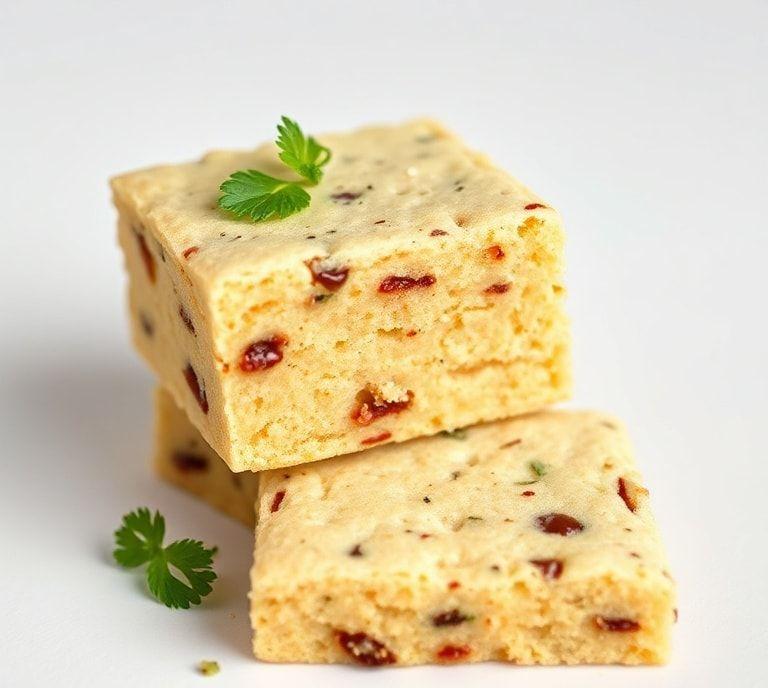
Let’s keep it simple but effective. The recipe I’ve developed maintains all the elements that make shortbread so iconic, but without using any animal-derived ingredients. Instead of butter, we use a rich vegetable-based fat, and the rest of the ingredients build on that solid base, adding flavor and structure without compromising that melt-in-your-mouth texture. I promise, once you try it, you’ll have a hard time going back to traditional shortbread.
Ingredients Needed
- 1 cup all-purpose flour: The backbone of any shortbread, flour gives the cookies their structure.
- 1/2 cup vegetable shortening (or coconut oil for a hint of tropical flavor): The fat that gives shortbread its signature richness and delicate texture. Vegetable shortening is a great choice for replicating the buttery richness, while coconut oil brings in a subtle, aromatic twist.
- 1/4 cup powdered sugar: Powdered sugar helps achieve that ultra-smooth, melt-in-your-mouth texture. Granulated sugar won’t give you the same result.
- 1/4 teaspoon vanilla extract: Vanilla brings out the sweetness and balances the richness. It’s like a soft background note that makes everything feel warm and cozy.
- Pinch of salt: Salt is the unsung hero that enhances the flavors and rounds everything out. Without it, the sweetness can feel flat.
- Optional: 1/4 teaspoon almond extract: If you’re a fan of nutty undertones, this is the ingredient that’ll elevate your shortbread to the next level.
Cooking Instructions
- Preheat the oven to 325°F (163°C) and line a baking sheet with parchment paper. This ensures your cookies won’t stick and makes cleanup a breeze.
- Combine the dry ingredients: In a medium bowl, whisk together the flour and powdered sugar. If you’re adding almond extract, this is where you’d sprinkle it in too.
- Incorporate the fat: Cut the vegetable shortening (or coconut oil) into small chunks and add it to the dry ingredients. Use your fingers, a pastry cutter, or a fork to rub the fat into the flour mixture until it resembles coarse crumbs. This is the trickiest part because it requires just the right touch-too much handling, and the dough won’t be as delicate. Not enough, and it might be too dry. But after a couple of tries, you’ll get the hang of it.
- Form the dough: Once the mixture reaches that crumbly texture, gently knead it into a dough. It might seem a bit crumbly at first, but with a little pressure, it should come together. If it feels too dry, add a teaspoon of cold water at a time until it holds.
- Shape and bake: On a lightly floured surface, roll out the dough to about 1/4 inch thick. You can use cookie cutters for fun shapes or simply slice them into traditional rectangles. Place them on the prepared baking sheet. Prick each shortbread lightly with a fork to create the classic look and help them bake evenly.
- Bake for 12-15 minutes or until the edges turn golden brown. Don’t overbake them-shortbread should be light and delicate, not crispy all the way through.
- Cool and enjoy: Let your cookies cool on the baking sheet for a few minutes before transferring them to a wire rack to finish cooling. Shortbread is best enjoyed with a cup of tea or coffee, but really, it’s perfect anytime.
Ingredient Science Spotlight
Every ingredient in this shortbread recipe plays a key role in its delicate structure. Let’s take a closer look at how they work together to create that signature melt-in-your-mouth quality:
- Flour: This is the structure builder. All-purpose flour is perfect because it has the right protein content to provide enough structure without making the dough tough. Too much protein (like bread flour) would lead to a chewy texture, which you don’t want in shortbread.
- Vegetable shortening or coconut oil: Both of these fats are key to creating a crumbly, tender texture. Shortening, in particular, has a high melting point, which allows the cookies to hold their shape while still being soft inside. Coconut oil, with its slightly lower melting point, adds a light crispness but with a tropical twist.
- Powdered sugar: The powdered sugar is essential in achieving that smooth, melt-in-your-mouth texture. Unlike granulated sugar, powdered sugar dissolves more easily, ensuring a fine, delicate crumb. It also helps prevent the dough from being too grainy.
- Vanilla extract: It’s the flavor enhancer. Vanilla doesn’t overpower the other ingredients but elevates them, adding depth to the sweetness and complementing the richness of the fat.
Expert Tips
- Don’t overwork the dough: When you’re rubbing the fat into the flour, be gentle. The more you handle the dough, the more gluten you develop, which can make the cookies tough. Keep it light and delicate.
- Chill the dough: If you’re having trouble rolling out the dough, give it a 15-minute rest in the fridge. Chilling helps the fat firm up, making it easier to work with.
- Uniform thickness: Aim for a consistent dough thickness when rolling out. This helps ensure that your cookies bake evenly.
- Customize the flavor: If you want to get adventurous, consider adding finely chopped herbs (like lavender or rosemary) or citrus zest for a refreshing twist.
Recipe Variations
Shortbread is incredibly versatile. Once you’ve mastered the basic recipe, try experimenting with different flavors:
- Chocolate-Dipped Shortbread: Melt some dark chocolate and dip one end of each cookie in it for a decadent touch.
- Citrus Infused: Add the zest of an orange or lemon to the dough for a bright, zesty twist. It pairs wonderfully with the richness of the shortbread.
- Herb-Infused: Infuse your dough with a teaspoon of finely chopped rosemary or thyme for a savory touch. These cookies are fantastic with cheese or as an appetizer.
- Spiced Shortbread: Add a pinch of cinnamon, nutmeg, or ginger for a warming spice kick-perfect for the colder months.
Final Words
There’s something satisfying about baking shortbread. It’s one of those recipes that, even though the steps are simple, the outcome always feels like a small victory. You can enjoy them fresh from the oven or let them sit for a day, allowing the flavors to settle in even deeper. What I love about this vegetarian version is that it feels just as indulgent as the classic, but with a few tweaks to make it more inclusive.
For me, baking is about connecting with the simple things in life-the warm scent of something delicious filling the house, the act of creating something from scratch, and the joy of sharing it with others. This vegetarian shortbread recipe has all that and more. It’s a reminder that you don’t need to compromise on flavor to make something that works for everyone.
FAQs
Can I Use Dairy-free Butter In A Vegetarian Shortbread Recipe?
Yes, you can substitute regular butter with dairy-free butter in a vegetarian shortbread recipe. This will make the shortbread suitable for both vegetarians and vegans. Be sure to check that the dairy-free butter you choose does not contain any hidden animal-derived ingredients.
What Are The Key Ingredients In A Vegetarian Shortbread Recipe?
The key ingredients in a vegetarian shortbread recipe typically include all-purpose flour, butter (or dairy-free butter for vegan versions), sugar, and a pinch of salt. Some recipes may also add vanilla extract or cornstarch to enhance texture or flavor.
How Do I Make The Texture Of My Vegetarian Shortbread Crispier?
To make your vegetarian shortbread crispier, you can try a few techniques: use cornstarch or rice flour in place of some of the all-purpose flour to lighten the dough, bake the shortbread at a slightly lower temperature for a longer time to ensure it crisps evenly, and avoid overworking the dough, which can lead to a tougher texture.