Sushi has a special place in my heart, and I don’t think I’m alone in that. The combination of delicate rice, fresh veggies, and a bit of tangy vinegar is irresistible. But here’s the thing-I didn’t always know my way around sushi. I grew up with traditional comfort food: pasta, casseroles, and the occasional roast chicken. I didn’t even know what sushi was until I was in my late teens, and it wasn’t until I tried it in a cozy Japanese restaurant on a rainy evening that I fell in love.
For those of us who have ever been hesitant to try sushi because of the raw fish component, the idea of vegetarian sushi is a game-changer. It’s all the things we love about sushi-flavors that pop, textures that surprise, and a little ritual involved in putting it all together-without needing to venture into the world of sashimi or seafood. Whether you’re a vegetarian by choice, or you just want to try something new, this recipe will show you just how easy it is to make fresh, flavorful veggie sushi at home. And honestly, it’s far simpler than you might think.
Vegetarian Sushi Easy Recipe
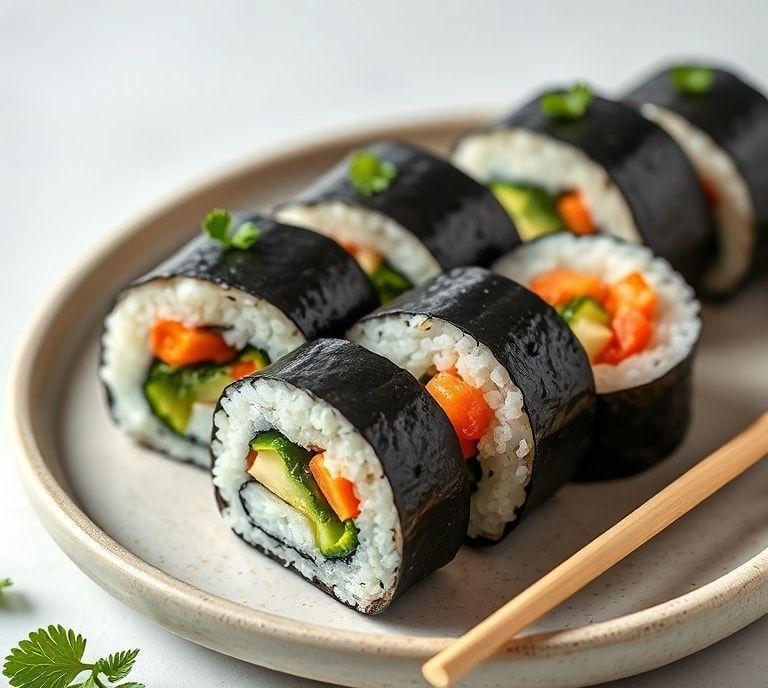
There’s something almost meditative about rolling your own sushi. When I first started making sushi at home, I was intimidated by the whole process-the rolling, the chopping, the rice prep-but once I got the hang of it, I couldn’t believe how fun it was! Now, I can throw together a roll in minutes, and I love experimenting with different ingredients.
This vegetarian sushi recipe keeps things simple but flavorful. No need for fancy fish or special tools (though a bamboo mat helps for the rolling). You can get all the ingredients at your local grocery store, and trust me, you’ll want to make it more than once. So let’s get into it:
Ingredients Needed
-
Sushi rice (about 1 cup, cooked)
Sushi rice is the heart of the sushi roll. It’s sticky, slightly sweet, and has the perfect consistency for holding everything together. You can find it in most stores or Asian markets.
-
Rice vinegar (2 tablespoons)
This adds the tangy flavor and is part of what gives sushi rice its signature taste. Don’t skip it-it’s what elevates the whole dish.
-
Sugar (1 tablespoon)
It balances out the acidity of the vinegar and gives the rice that slightly sweet profile you expect in sushi.
-
Salt (1/2 teaspoon)
A small touch of salt goes a long way to season the rice.
-
Nori sheets (seaweed) (4-6 sheets)
These are the wraps that hold everything together. They’re light and crisp, adding a savory contrast to the soft rice and veggies.
-
Cucumber (1, julienned)
Crisp, refreshing, and cool-cucumbers are a staple in veggie sushi. They add texture and a fresh bite.
-
Carrot (1, julienned)
A pop of color and a natural sweetness. When you julienne them thinly, they add a lovely crunch.
-
Avocado (1, sliced)
This creamy fruit adds richness and a smooth, buttery texture. It’s one of my favorite ingredients in sushi rolls-it just works.
-
Bell pepper (1/2, thinly sliced, optional)
A nice addition for a little extra crunch and a vibrant color.
-
Soy sauce (for dipping)
For serving, of course. A little salty soy sauce perfectly complements the subtle flavors of the sushi.
Cooking Instructions
-
Prepare The Sushi Rice
Rinse the sushi rice under cold water until the water runs clear. This removes excess starch and helps the rice achieve the right texture. Cook it according to the package instructions (typically 1 cup of rice to 1.25 cups water). Once cooked, transfer it to a bowl, and while it’s still warm, gently stir in the rice vinegar, sugar, and salt. Let it cool to room temperature.
-
Prep Your Vegetables
While the rice is cooling, slice your veggies. Julienne the cucumber and carrot into thin strips. Slice the avocado into thin, wide pieces. If you’re using bell pepper, slice that into thin strips too. Make sure all your fillings are ready to go when it’s time to roll!
-
Assemble The Sushi Rolls
Place a sheet of nori on a bamboo sushi mat, shiny side down. Wet your hands with a bit of water to prevent the rice from sticking, then take about a handful of the sushi rice and gently spread it over the nori, leaving about an inch at the top free of rice. Press the rice down gently but firmly.
-
Add The Fillings
Lay a few strips of cucumber, carrot, avocado, and bell pepper (if using) along the center of the rice.
-
Roll It Up
Lift the edge of the sushi mat closest to you, and carefully roll the sushi away from you, using the mat to keep the roll tight but not squishing it. Seal the edge with a little water to help it stick.
-
Slice And Serve
Use a sharp knife to slice the roll into bite-sized pieces. Clean the knife between cuts to make clean slices.
Serve with soy sauce, and enjoy your homemade vegetarian sushi!
Ingredient Science Spotlight
There’s a surprising amount of science behind something as simple as sushi rice. The key is the balance of moisture and starch. Sushi rice is short-grain rice, which has a high starch content. This helps the rice become sticky, allowing it to hold together in the roll. When rice vinegar, sugar, and salt are added, the acid helps to firm up the starches while the sugar adds a touch of sweetness. The vinegar also contributes to the preservation of the rice and imparts that signature tang we associate with sushi.
And then there’s the avocado. Not only is it a creamy texture contrast, but its fats also help balance the other flavors in the roll. It adds richness, making each bite smooth and luxurious. The fat in the avocado works synergistically with the mild, refreshing veggies, creating a perfect harmony in every roll.
Expert Tips
- Don’t overfill your rolls: It’s tempting to stuff your sushi with as many veggies as possible, but trust me-less is more. A few strips of each ingredient are all you need for a satisfying roll.
- Use a sharp knife: When slicing the rolls, a sharp knife is key for clean cuts. If the knife is too dull, the rice will get squished, and your sushi won’t look as appealing. Wipe the blade between each cut to keep things tidy.
- Don’t skip the rice prep: The vinegar-sugar-salt mix for the rice isn’t just an afterthought. It’s what gives sushi its signature flavor. Let the rice cool naturally, and don’t rush this step.
- Keep your mat dry: When rolling, ensure your bamboo mat is dry. If it’s damp, it can cause the rice to stick to it, which makes rolling much harder.
Recipe Variations
Sushi is one of those things where you can get as creative as you like. Here are a few variations to play with:
- Pickled vegetables: Instead of fresh veggies, try pickled carrots or radishes for an extra tangy kick. The acidity of pickles contrasts beautifully with the richness of the avocado.
- Sweet potato: Roasted sweet potato, sliced thinly, is a great addition if you’re craving something a bit heartier. Its sweetness adds a lovely balance to the more savory ingredients.
- Tofu: Marinated or lightly fried tofu is another great protein addition, providing a satisfying texture and flavor.
- Nutritional yeast: For a slightly cheesy, umami boost, sprinkle a little nutritional yeast over the rice before you roll it up.
Final Words
Making sushi at home doesn’t have to be intimidating. With the right ingredients and a little practice, you’ll be rolling sushi like a pro in no time. It’s such a fun way to bring people together, whether you’re hosting a dinner party or just looking for a creative activity on a Saturday afternoon. The best part? You can make it exactly how you want it. No raw fish needed to make it delicious and satisfying.
FAQs
What Ingredients Do I Need To Make Vegetarian Sushi Easily At Home?
To make vegetarian sushi easily at home, you will need sushi rice, rice vinegar, sugar, and salt for the rice seasoning. For fillings, common options include cucumber, avocado, bell peppers, carrots, asparagus, and pickled radish. Nori sheets are used to wrap the sushi, and optional condiments include soy sauce, wasabi, and pickled ginger.
What Is The Easiest Way To Roll Vegetarian Sushi Without A Bamboo Mat?
If you don’t have a bamboo mat, you can use a clean kitchen towel covered with plastic wrap. Place a nori sheet on the wrap, spread the seasoned rice evenly, add your fillings, and then carefully lift the edge and roll tightly while holding the fillings in place. Applying gentle pressure along the roll will help it hold together.
How Can I Make My Vegetarian Sushi Taste More Flavorful?
To enhance the flavor of vegetarian sushi, season the rice properly with a mixture of rice vinegar, sugar, and salt. Adding a variety of textures with crunchy vegetables or lightly sautéed fillings can improve taste. Drizzling with soy sauce, sesame seeds, or a small amount of spicy mayo (made from vegan mayonnaise if needed) can also elevate the overall flavor.