When it comes to comfort food, there’s nothing quite as universally loved as pasta. The beauty of it lies in its simplicity-no matter how elaborate or minimal the recipe, it’s the perfect canvas for flavors. But today, we’re doing something a little special. We’re diving into an Italian vegetarian pasta recipe, where the focus is not just on the deliciousness but also on the freshness of the ingredients and how they all come together in perfect harmony.
This recipe is one of my favorites to make on a lazy Sunday afternoon when I want something hearty but don’t want to spend hours in the kitchen. The fact that it’s entirely vegetarian makes it that much more satisfying, and the flavors are rich enough that even non-vegetarians won’t miss the meat. Trust me, this recipe will not only fill your stomach but also warm your heart.
Now, I could tell you to just trust me and follow along, but there’s something more magical when you know the "why" behind each step. So, let’s get into the details and discover how this simple pasta recipe can bring Italy right to your dining table.
Italian Pasta Vegetarian Recipe
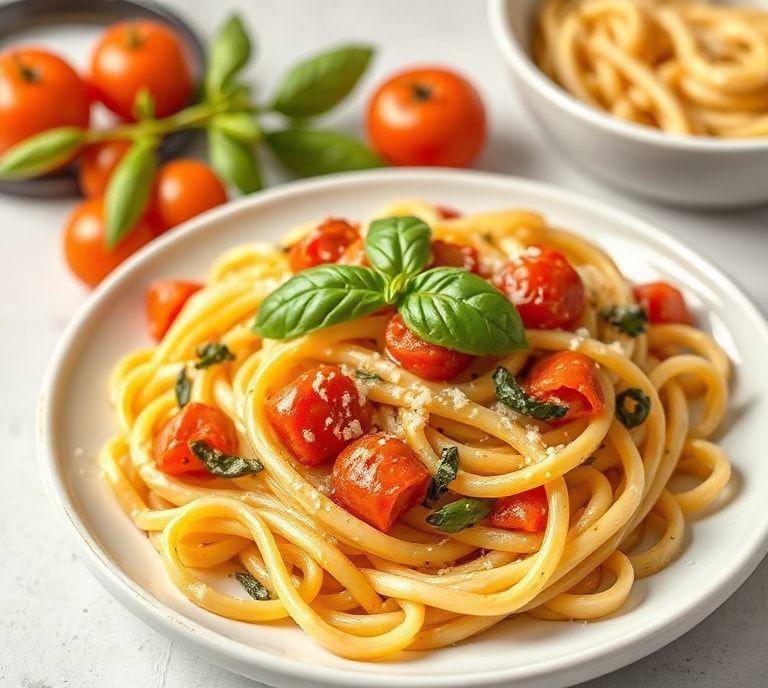
This is a dish that feels fresh, vibrant, and comforting all at once. Imagine a bowl of perfectly cooked pasta tossed in a sauce made with ripe tomatoes, fresh herbs, garlic, and a hint of spice. Simple yet indulgent. It’s a Mediterranean classic, refined and adapted to make sure the veggies shine without being overwhelmed by too many competing flavors. This vegetarian pasta will have you daydreaming of sun-drenched streets in Rome, with the aroma of garlic and basil wafting through the air.
Ingredients Needed
Here’s the thing about this recipe: It’s all about fresh, high-quality ingredients. The pasta, the vegetables, the olive oil-each one adds a layer of richness to the dish.
- Pasta: 400 grams of your favorite pasta (spaghetti, penne, fusilli-all work well)
- Olive oil: 3 tablespoons of extra virgin olive oil (always a good idea to splurge on the best you can afford)
- Garlic: 4 cloves, finely minced
- Cherry tomatoes: 400 grams, halved or quartered (I love using fresh, juicy, in-season tomatoes for this)
- Bell peppers: 1 red, 1 yellow, thinly sliced
- Zucchini: 1 medium, sliced into half moons
- Fresh basil: A generous handful, chopped roughly
- Parmesan cheese: 50 grams, grated (vegetarian-friendly options available!)
- Chili flakes: Optional, but a pinch adds a lovely warmth
- Salt and pepper: To taste
- Pine nuts: A small handful, toasted (adds a delightful crunch)
Cooking Instructions
- Cook the pasta: Start by boiling a large pot of salted water. Once it’s at a rolling boil, drop in the pasta and cook according to package directions until al dente. Make sure you reserve about a cup of pasta water before draining-it’s liquid gold when you need to thin out the sauce later.
- Sauté the garlic and vegetables: While the pasta is cooking, heat the olive oil in a large skillet over medium heat. Add the garlic and sauté it until it’s fragrant and golden, about 1 minute. Don’t rush this step-garlic can burn easily, and we want it just perfectly caramelized. Then, toss in the bell peppers and zucchini. Sauté for about 5-7 minutes until the veggies soften but still maintain a bit of their bite.
- Tomatoes and seasoning: Add the halved cherry tomatoes to the skillet and stir. Let them cook down for 4-5 minutes, until they start to release their juices and create a slight sauce. Season with salt, pepper, and chili flakes, and let everything simmer together.
- Combine with pasta: Once the pasta is done, drain it, reserving a cup of pasta water. Add the pasta straight into the skillet with the veggies and mix well. If the sauce is too thick, add a splash of the reserved pasta water to thin it out to your desired consistency.
- Finish and serve: Toss in the fresh basil and a generous handful of grated Parmesan. Give it one last stir to ensure the flavors meld together. Serve immediately, garnished with toasted pine nuts for extra texture and crunch.
Ingredient Science Spotlight
Let’s take a moment to look at the science behind a few of the ingredients that make this dish so special.
- Olive Oil: It’s not just the flavor-olive oil is packed with antioxidants and heart-healthy fats. The monounsaturated fats in olive oil are known to reduce inflammation and support overall health. In this recipe, olive oil is the base of our sauce, and its rich, fruity flavor enhances the taste of the entire dish.
- Garlic: The allicin compound found in garlic has been studied for its many health benefits, including its anti-inflammatory and immune-boosting properties. But beyond health benefits, garlic contributes an unmistakable depth of flavor, infusing the olive oil and vegetables with its aromatic goodness.
- Tomatoes: These juicy wonders are rich in lycopene, a powerful antioxidant that has been linked to various health benefits. When tomatoes are cooked, the body absorbs lycopene even more effectively, making your sauce both tasty and nutrient-packed.
- Parmesan: The umami flavor of Parmesan isn’t just delicious-it’s what makes the entire dish pop. Parmesan, like other aged cheeses, contains glutamates, which enhance savory flavors and create a sense of depth in a dish. A little goes a long way, and its sharp, nutty flavor brings the whole dish together.
Expert Tips
- Don’t overcook the pasta: I can’t emphasize this enough. Pasta should always be al dente (firm to the bite). If it’s overcooked, it will turn mushy and won’t hold up in the sauce.
- Use seasonal vegetables: In the summer, replace the zucchini and bell peppers with eggplant or asparagus. In the winter, try roasted root vegetables like butternut squash or carrots. Fresh, in-season vegetables will elevate the flavor of the entire dish.
- Don’t skip the pine nuts: It may seem like a small detail, but toasted pine nuts add an unexpected crunch and richness to the dish. You can toast them in a dry pan over medium heat for a few minutes until golden and fragrant.
- Adjust the spice level: If you prefer a more mild flavor, skip the chili flakes or add just a pinch. On the flip side, if you like heat, add more chili flakes or even a touch of fresh chili.
Recipe Variations
- Add greens: Toss in some spinach, kale, or arugula for an extra layer of flavor and nutrition. They’ll cook down quickly and blend right in.
- Creamy version: For a creamier sauce, you could add a splash of heavy cream or coconut milk toward the end. This would give the dish a richer texture, especially when paired with the sweetness of the tomatoes.
- Protein boost: If you’d like a protein-packed vegetarian version, consider adding grilled tofu, chickpeas, or lentils. These will add substance to the dish while keeping it meat-free.
Final Words
This recipe is one that has been passed down through generations in my family, though with a few small tweaks here and there. The beauty of pasta is that it’s incredibly forgiving-throw in whatever veggies you have on hand, and it’ll still be delicious. The simplicity of fresh, quality ingredients is what makes this dish stand out. There’s something satisfying about creating a meal that is wholesome, flavorful, and makes you feel like you’re sitting in a small trattoria on a cobblestone street in Italy.
FAQs
What Are Some Common Vegetarian Ingredients Used In Italian Pasta Recipes?
Common vegetarian ingredients in Italian pasta recipes include fresh vegetables like tomatoes, zucchini, bell peppers, and mushrooms. Additionally, herbs like basil, oregano, and parsley are frequently used to enhance flavor. Other staples include olive oil, garlic, Parmesan cheese (or vegan alternatives), and olives.
Can I Make A Vegan Italian Pasta Dish Instead Of A Vegetarian One?
Yes, many Italian pasta recipes can be easily adapted for a vegan diet. You can replace dairy products like cheese and cream with plant-based alternatives. For instance, use cashew cream or coconut milk instead of dairy cream, and substitute nutritional yeast or vegan cheese for Parmesan. A vegan pesto can also be made by omitting the cheese and using more nuts and herbs.
What Type Of Pasta Is Best For Vegetarian Italian Recipes?
For vegetarian Italian pasta recipes, the type of pasta depends on the sauce and ingredients you are pairing it with. Common options include spaghetti, penne, fettuccine, and farfalle. Whole wheat or gluten-free pasta can be used for those with dietary restrictions. For lighter vegetable-based sauces, thinner pasta like spaghetti or linguine works well, while heavier sauces pair nicely with thicker pasta shapes like rigatoni or pappardelle.