There’s something incredibly comforting about a warm bowl of minestrone soup. It’s like a hug in a bowl, brimming with the earthy flavors of vegetables, beans, and herbs. I first fell in love with minestrone during a long, cozy winter in Italy, where it seemed like every family had their own version of the recipe. It wasn’t just a soup; it was a history, a tradition, and a testament to how humble ingredients could transform into something magical.
Over the years, I’ve experimented with different variations of minestrone, but it wasn’t until I created this vegetarian version that I realized just how vibrant and flavorful it could be without any meat. This recipe focuses on simplicity and fresh, seasonal vegetables, making it not only delicious but also a healthy meal that’s perfect for any day of the week. Whether you’re looking for a hearty dinner or a filling lunch, this soup satisfies both the body and the soul.
Minestrone Vegetarian Recipe
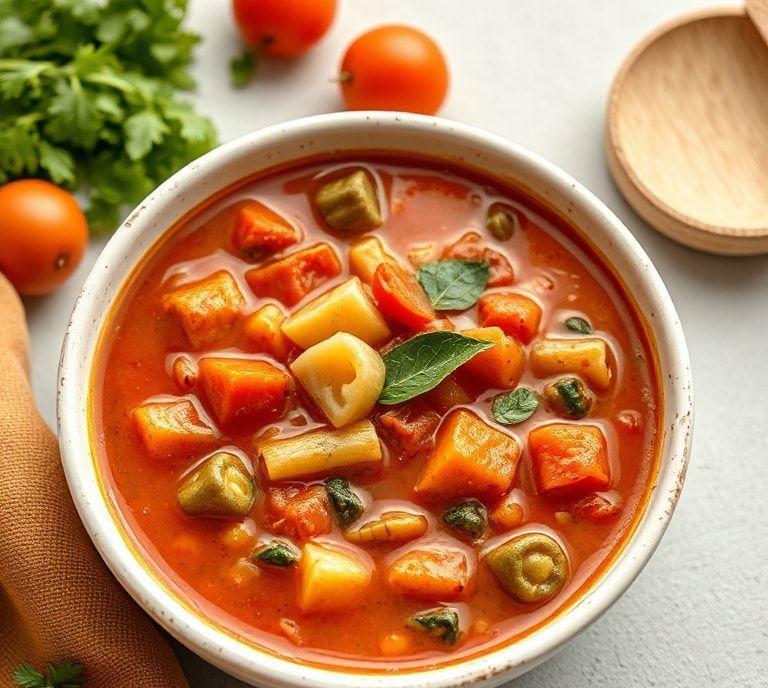
If you’ve never made minestrone before, let me assure you-this is a recipe that’s as much about technique as it is about letting the ingredients speak for themselves. The beauty of minestrone lies in its versatility, and with this vegetarian version, we get to highlight fresh produce and beans in a way that’s both filling and satisfying.
Unlike some recipes that require you to follow strict measurements, minestrone invites a bit of freedom. It’s more about understanding the balance between different flavors and textures. If you’re a fan of certain vegetables, throw them in! If you prefer a more delicate soup, you can reduce the amount of broth. This flexibility is part of what makes minestrone feel so personal.
Ingredients Needed
- Olive Oil – This is the base of the soup, offering that rich, savory foundation. You can use extra virgin olive oil for a bolder taste, which I personally love.
- Yellow Onion – Sweet and savory, this adds depth to the soup and is essential to the aromatic base.
- Garlic – Because every great dish starts with garlic. It adds that signature warmth and complexity.
- Carrots – They bring a natural sweetness that balances the savory components of the soup.
- Celery – Slightly bitter and crisp, celery provides a good contrast to the sweetness of the carrots and onions.
- Zucchini – This summer squash adds a soft texture that helps round out the soup.
- Potatoes – Yukon gold or red potatoes work best. They add substance, turning the soup into a more filling meal.
- Tomatoes – Fresh tomatoes are ideal, but canned work just as well, especially in winter months.
- Vegetable Broth – A flavorful, rich broth is key to creating that comforting, warm essence that makes minestrone so special.
- Cannellini Beans – These white beans are creamy and add a hearty texture to the soup. They also provide protein, making the soup both filling and nutritious.
- Dried Bay Leaves – A couple of leaves infuse the soup with a deep, herbal flavor.
- Fresh Herbs – Thyme and rosemary are my go-to herbs for this recipe. Their woodsy aroma complements the vegetables beautifully.
- Pasta – I recommend small pasta like ditalini or elbow macaroni, which is perfect for catching all the delicious broth. You can also go gluten-free if needed.
- Parmesan Cheese (optional) – Grated on top just before serving, it adds an extra layer of richness.
Cooking Instructions
- Prepare the vegetables: Start by chopping the onion, garlic, carrots, celery, zucchini, and potatoes. The key is uniform chopping, which ensures the vegetables cook at the same rate. You can leave the skins on the carrots and potatoes if you like a more rustic feel.
- Sauté the aromatics: In a large pot, heat a generous glug of olive oil over medium heat. Add the onions and sauté for about 5 minutes until soft and translucent. Add the garlic, carrots, celery, and zucchini, and cook for another 3-5 minutes, stirring occasionally. You want the veggies to start softening but not to brown.
- Add the tomatoes and broth: Next, add the diced tomatoes (if using fresh, you can blanch them to peel off the skins) and stir. Then pour in the vegetable broth, add a couple of bay leaves, and bring everything to a simmer. Lower the heat, cover, and let it cook for about 20 minutes. This step allows the flavors to meld together beautifully.
- Add the potatoes and beans: After 20 minutes, toss in the diced potatoes and cannellini beans. Stir well to combine, and let the soup simmer for another 10-15 minutes, until the potatoes are tender.
- Cook the pasta: While the soup simmers, cook the pasta in a separate pot until al dente, according to the package instructions. Drain and add it to the soup. If you prefer, you can cook the pasta directly in the soup, but be aware it will absorb some of the broth as it sits.
- Finish the soup: Taste the soup and adjust seasoning with salt, pepper, and a splash of olive oil for richness. You can also add a pinch of red pepper flakes if you like a little heat. Remove the bay leaves before serving.
- Serve and garnish: Ladle the soup into bowls and garnish with freshly grated Parmesan cheese and extra fresh herbs like basil or parsley.
Ingredient Science Spotlight
When making minestrone, it’s important to understand the role each ingredient plays in the final dish. For example, cannellini beans are not only a great source of plant-based protein, but they also help to thicken the soup and create a creamy texture. The potatoes do something similar-they break down slightly as they cook, enriching the broth and providing an element of heartiness.
Let’s talk about herbs. Thyme and rosemary are staples in Italian cooking and for good reason. These herbs add an earthy depth to the soup that you can’t quite replicate with dried spices. Fresh herbs also bring brighter notes, and their oils are released into the soup, intensifying the flavor.
Another essential ingredient is tomatoes. The acidity of fresh tomatoes, combined with their natural sweetness, balances the richness of the olive oil and the savory flavors of the beans and broth. Tomatoes also contribute vitamin C and lycopene, a powerful antioxidant.
Expert Tips
- Don’t rush the aromatics: Sautéing the onion, garlic, and other vegetables in olive oil builds the flavor base of the soup. Taking the time to properly caramelize them will add depth to your soup.
- Use homemade vegetable broth if you can. While store-bought is convenient, a homemade broth makes a huge difference. You can even freeze extra broth for future soups.
- Don’t overcook the pasta: Pasta should be added toward the end of cooking so it stays al dente. Overcooking it will result in a mushy soup, which isn’t as satisfying.
- Let the soup sit: Like most soups and stews, minestrone is even better the next day. If you have the time, let it cool and store it in the fridge overnight. The flavors continue to develop and become more complex.
Recipe Variations
- Add greens: Spinach, kale, or Swiss chard can be added in the final 5 minutes of cooking to incorporate some leafy greens into the soup.
- Use different beans: If you can’t find cannellini beans, other beans like chickpeas or kidney beans will work just as well.
- Make it spicy: A dash of crushed red pepper flakes or a chopped jalapeño can add a pleasant heat to the soup without overpowering it.
- Creamy twist: Blend a portion of the soup once it’s cooked for a creamier texture. If you’re looking for a dairy-free option, blend in some coconut milk for richness.
Final Words
Minestrone is the perfect soup for busy weeks and lazy weekends alike. It’s nourishing, filling, and-most importantly-packed with flavor. There’s something about taking a moment to chop up fresh vegetables and let the aroma of simmering soup fill your kitchen that feels grounding. It’s like reconnecting with something simple and timeless.
Whether you serve it on a chilly evening with a loaf of crusty bread or make a big batch for meal prep, minestrone never disappoints.
FAQs
What Vegetables Are Typically Used In A Vegetarian Minestrone Soup?
A vegetarian minestrone soup typically includes a variety of vegetables such as onions, carrots, celery, potatoes, zucchini, green beans, and tomatoes. It often also features leafy greens like spinach or kale, and can be enriched with garlic, leeks, and bell peppers. The diversity of vegetables contributes to both the flavor and texture of the soup.
Can I Make A Minestrone Vegetarian Recipe Without Using Vegetable Broth?
Yes, you can make a minestrone vegetarian recipe without vegetable broth by using water and adding extra seasonings to enhance the flavor. You might consider using miso paste, soy sauce, or a mix of dried herbs like thyme, rosemary, and bay leaves to make the broth more flavorful. Additionally, the vegetables themselves release their natural flavors, which will also contribute to the soup’s depth.
What Are Some Common Variations In A Vegetarian Minestrone Recipe?
Common variations in a vegetarian minestrone recipe include the addition of beans (such as kidney beans, cannellini beans, or chickpeas) for extra protein and fiber. Pasta shapes like elbow macaroni or small shells are also frequently used. Some recipes may use different types of greens, like chard or arugula, or incorporate pesto for a fresh twist. You can also adjust the recipe to make it gluten-free by using gluten-free pasta or omitting pasta altogether.