When I think of spring, I picture a world that’s coming back to life-bursting with vibrant colors, fresh air, and, of course, fresh produce. It’s the time when those first tender greens start appearing at the farmer’s market, and I can’t help but imagine how many different ways I can enjoy them. For me, there’s something incredibly satisfying about taking a handful of leafy greens and transforming them into a delicious, nourishing dish.
This Spring Greens Vegetarian Recipe is one of those meals that captures the essence of spring in a bowl. It’s light, vibrant, and packed with the natural goodness of seasonal veggies. It’s also versatile enough to be customized with whatever fresh greens you can find. Plus, it’s simple to prepare, making it perfect for busy weeknights or a light weekend brunch.
The beauty of a vegetarian dish like this one is that it’s not just about flavor-it’s about honoring the bounty of the season. Every bite is a celebration of the earth’s gifts, and I promise you’ll feel that connection to nature with each forkful. So, let’s dive into this recipe and bring a little taste of spring to your table.
Spring Greens Vegetarian Recipe
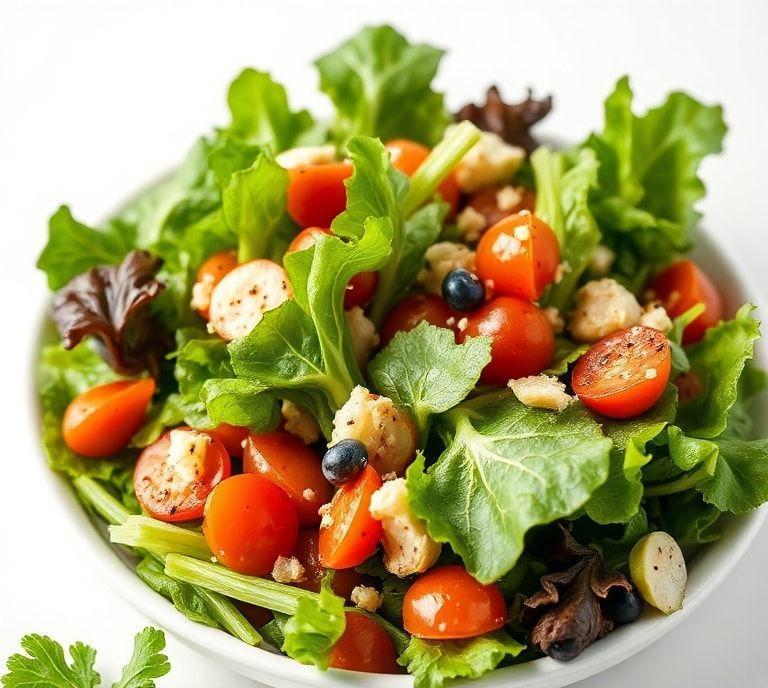
This recipe is a celebration of fresh spring greens, paired with a few other simple ingredients to create a satisfying, nutrient-packed meal. It’s the kind of dish that makes you feel good, inside and out. It’s light, but full of texture and flavor, and it comes together in a way that feels effortless, even though it tastes like you’ve spent all day cooking.
Ingredients Needed
What’s great about this dish is that it’s customizable based on what’s in season and what you prefer. The core ingredients focus on fresh greens, with a few additional veggies for balance. Here’s what you’ll need:
- Spring greens: Think of tender greens like spinach, arugula, dandelion greens, or mustard greens. If you can’t find all of these, don’t worry! Any variety of fresh, young greens will work.
- Asparagus: A springtime favorite, asparagus brings a fresh, slightly grassy flavor that pairs beautifully with greens.
- Peas: Sweet and tender, peas are one of the season’s delights and add a pop of color and sweetness to the dish.
- Baby carrots: These add a little crunch and earthiness, contrasting nicely with the softness of the greens.
- Olive oil: A good quality extra virgin olive oil to sauté the vegetables and create a light dressing.
- Lemon: A squeeze of lemon brightens the dish, adding a refreshing, zesty note.
- Garlic: A couple of garlic cloves sautéed until fragrant. It’s one of those ingredients that brings the whole dish together.
- Salt & Pepper: Simple seasoning to enhance the natural flavors.
- Parmesan or goat cheese (optional): Adds richness and a touch of creaminess to the dish.
Cooking Instructions
- Prep the vegetables: Start by washing and drying your greens. If you’re using baby carrots, slice them into thin rounds or small matchsticks. Chop the asparagus into bite-sized pieces, and set them aside with the peas.
- Sauté the aromatics: In a large pan, heat a couple of tablespoons of olive oil over medium heat. Add the garlic and sauté for about 1-2 minutes until fragrant. Be careful not to burn it, as garlic can turn bitter quickly.
- Cook the vegetables: Add the carrots and asparagus to the pan. Cook for about 4-5 minutes, stirring occasionally. Then add the peas and cook for another 2 minutes until they are tender but still bright green.
- Toss in the greens: Add your spring greens to the pan and toss them gently with the sautéed vegetables. Cook for just 2-3 minutes until the greens are wilted but still vibrant. If you like, you can add a splash of water or vegetable broth to help the greens cook down.
- Season and serve: Once everything is cooked, squeeze the lemon juice over the dish and season with salt and pepper to taste. If you’re using cheese, sprinkle it over the top just before serving.
Ingredient Science Spotlight
Now, let’s talk about why these ingredients work so well together and how they benefit you. Each ingredient in this recipe brings something unique to the table:
- Greens: Leafy greens are packed with vitamins (like A, C, and K) and minerals such as iron and magnesium. They’re also rich in fiber, which is great for digestion. The tender young leaves used in this recipe are more delicate than mature greens, making them easier to digest.
- Asparagus: High in antioxidants like vitamin C and E, asparagus is also a natural diuretic, which helps with fluid retention. Plus, it’s high in folate, an essential nutrient for cell division and repair.
- Peas: Full of protein, fiber, and a variety of vitamins and minerals, peas are a great addition to any vegetarian dish. They are especially rich in vitamin K, which supports bone health.
- Olive oil: Rich in monounsaturated fats, olive oil is great for heart health. It also contains antioxidants like polyphenols, which may help protect cells from oxidative damage.
- Garlic: Not only does garlic enhance flavor, but it’s also known for its immune-boosting properties. It contains allicin, a compound that has been shown to have antibacterial and anti-inflammatory effects.
- Lemon: This citrus fruit is an excellent source of vitamin C, which is important for collagen production and immune function. It also helps balance the flavors in the dish, adding brightness and acidity to complement the earthy vegetables.
Expert Tips
- Use fresh greens: The key to making this recipe shine is using fresh, tender greens. If you use older, more mature leaves, they can be tougher and more bitter, which might take away from the light, fresh taste of the dish.
- Get creative with your greens: Don’t be afraid to mix and match. Kale, Swiss chard, or even sorrel can be great alternatives. Each type of green will bring its own unique flavor and texture.
- Balance textures: I love adding some crunch to dishes like this one. Consider topping your greens with a sprinkle of toasted nuts or seeds, such as pine nuts or sunflower seeds, for an extra layer of texture and flavor.
- Make it a meal: To make this a more substantial meal, try adding some cooked quinoa, farro, or couscous. These grains are filling, healthy, and add a nice chewy contrast to the greens.
Recipe Variations
- Add a protein: If you want to make this dish more filling, consider adding a plant-based protein like chickpeas, tofu, or tempeh. Simply sauté the protein of choice along with the vegetables for a complete meal.
- Swap the cheese: While Parmesan or goat cheese adds richness, you could swap it for a vegan cheese alternative or skip the cheese altogether for a lighter dish. Nutritional yeast can also provide a cheesy flavor if you’re going dairy-free.
- Spice it up: If you’re someone who loves a little heat, add a pinch of red pepper flakes to the garlic and olive oil mixture to give the dish a spicy kick.
- Make it Mediterranean: For a Mediterranean twist, add some olives, roasted red peppers, and a drizzle of balsamic vinegar at the end.
Final Words
This recipe is everything I love about cooking-simple, fresh, and full of flavor. It’s a perfect way to embrace the season and nourish your body with the freshest ingredients available. Plus, it’s one of those dishes that you can easily tweak depending on what you have in your kitchen or what’s in season at your local market. I’ve made variations of this dish countless times, and it’s always satisfying, whether served as a light side or a full meal.
FAQs
What Are Spring Greens, And How Are They Used In Vegetarian Recipes?
Spring greens are young, tender leafy vegetables typically harvested in early spring. They are often a mix of young kale, cabbage, and mustard greens. These greens have a mild, slightly peppery flavor and can be used in a variety of vegetarian recipes such as salads, stir-fries, soups, or as a side dish. Their tender leaves are perfect for quick cooking methods, retaining nutrients while providing a fresh, vibrant flavor.
Can I Substitute Other Greens For Spring Greens In A Vegetarian Recipe?
Yes, you can substitute other leafy greens such as spinach, kale, collard greens, or arugula for spring greens in most vegetarian recipes. While the flavor may vary slightly-arugula being more peppery and kale having a heartier texture-these greens will still provide a similar nutritional profile and work well in dishes like salads, sautéed greens, or vegetable stews. Adjust the cooking time based on the thickness and texture of the greens you choose.
Are There Any Specific Health Benefits To Using Spring Greens In A Vegetarian Diet?
Spring greens are a highly nutritious addition to a vegetarian diet. They are rich in vitamins A, C, and K, as well as folate, iron, and calcium. The high fiber content in spring greens supports digestion, while their antioxidants help reduce inflammation and improve overall immune health. Including spring greens in your diet can help support bone health, improve skin appearance, and provide essential nutrients that may be harder to obtain from plant-based foods alone.