Potato salad. It’s that dish that somehow brings together friends and family, no matter where you are. Whether it’s a backyard barbecue, a picnic in the park, or just a comforting meal at home, this humble salad always seems to fit the occasion. But I’ve noticed that when most people make potato salad, they reach for the traditional recipe, which often includes eggs, bacon, or even a heavy mayonnaise base. While those versions are delicious, I wanted to create something a little more inclusive, something that keeps the heart of potato salad intact but caters to a wider range of diets and tastes. The answer? A fresh, light, and creamy vegetarian potato salad that will make everyone, even the carnivores, go back for seconds.
In this post, I’ll take you step-by-step through a veggie-packed, tangy, and satisfying potato salad recipe. I’ll share my thoughts on why each ingredient matters, tips I’ve picked up over the years, and a few variations to keep things exciting. Trust me, this one will quickly become your go-to.
Potato Salad Vegetarian Recipe
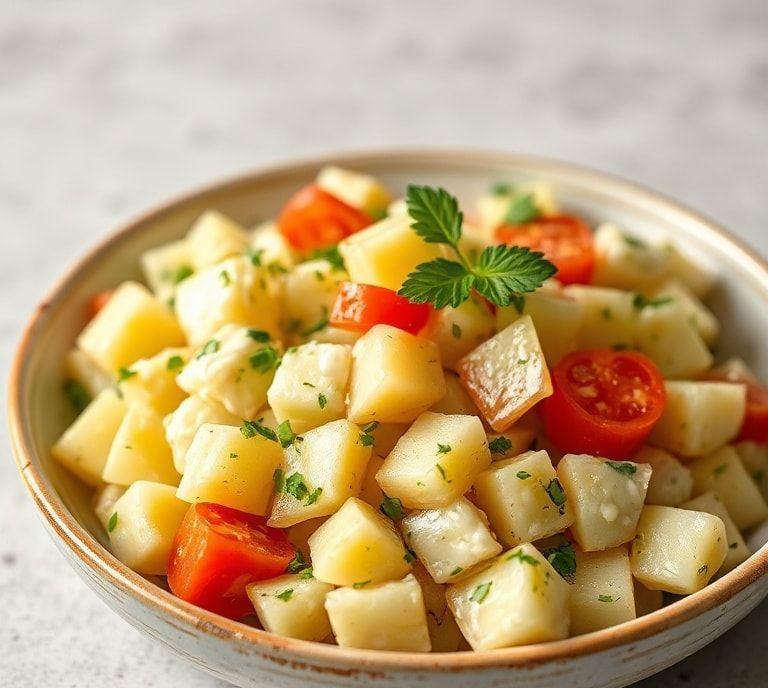
This vegetarian potato salad is simple, yet brimming with flavor. I’m all about keeping it straightforward, but with a few unexpected twists to make the dish stand out from the rest. The creamy dressing brings a satisfying richness without being too heavy, and the veggies add crunch and color that make every bite exciting.
Ingredients Needed
Here’s what you’ll need to whip up this refreshing and vibrant vegetarian potato salad:
- 2 pounds of small red or yellow potatoes (I love using red potatoes because their waxy texture holds up well when boiled and they have a beautiful smooth skin.)
- 1 cup of plain Greek yogurt (You can also use plant-based yogurt if you want to make it fully vegan.)
- 2 tablespoons of Dijon mustard (This gives the salad a mild sharpness that balances the richness of the dressing.)
- 1 tablespoon of apple cider vinegar (A touch of acidity helps cut through the creaminess and adds a layer of brightness.)
- 1/2 cup of chopped fresh herbs (A combination of parsley, dill, and chives adds a burst of freshness.)
- 1/2 cup of diced red onion (For a mild sweetness and a bit of crunch.)
- 1 cup of diced cucumber (This adds refreshing, cool crunch and a lovely contrast in texture to the potatoes.)
- 1 cup of frozen peas (These bring a sweet pop of color and taste, plus they’re a great source of plant-based protein.)
- Salt and pepper to taste
- Olive oil (optional) (Sometimes, I drizzle a bit of extra virgin olive oil over the top for added richness.)
Cooking Instructions
Now, I’ll walk you through the simple process of putting this all together.
- Cook the Potatoes: Start by giving the potatoes a good rinse. You can leave the skins on because they’ll help hold the potatoes together. Place them in a large pot, cover with water, and add a generous pinch of salt. Bring to a boil, then reduce the heat and let the potatoes simmer for about 15-20 minutes. You’ll know they’re done when you can easily poke them with a fork, but they should still hold their shape.
- Prep the Veggies: While the potatoes are cooking, chop the red onion, cucumber, and herbs. I love having all my ingredients ready to go before mixing everything together – it’s a huge time-saver.
- Make the Dressing: In a small bowl, whisk together the Greek yogurt, Dijon mustard, apple cider vinegar, salt, and pepper. You want the dressing to have a creamy consistency with a little tang from the mustard and vinegar.
- Assemble the Salad: Once the potatoes are cooked, drain them and let them cool slightly. Cut them into bite-sized pieces (or leave them whole if you prefer). Toss the potatoes into a large mixing bowl along with the diced onion, cucumber, peas, and chopped herbs.
- Add the Dressing: Pour the dressing over the potatoes and give everything a good mix. Be gentle when stirring to keep the potato pieces intact. Taste and adjust the seasoning as needed. If you like a bit more zing, add a little extra vinegar or mustard.
- Chill and Serve: I recommend letting the salad chill in the fridge for at least an hour before serving. It gives the flavors a chance to meld together, and the cold potatoes absorb the dressing perfectly. Just before serving, sprinkle a little extra fresh herbs or a drizzle of olive oil on top if you want that extra touch.
Ingredient Science Spotlight
Here’s the fun part: let’s dig into the science behind some of the ingredients and why they work so well in this potato salad.
- Potatoes: Potatoes are a natural source of starch, which gives them their signature creamy texture when boiled. Their waxy nature helps them hold up during cooking without falling apart, making them ideal for salads. The skin also contains fiber and nutrients, so it’s best to leave it on for extra texture and health benefits.
- Greek Yogurt: Greek yogurt is a fantastic alternative to mayonnaise in potato salad because it provides the same creamy texture but with added protein and a slight tang that balances the richness of the potatoes. Plus, it’s a little lighter than traditional mayo, making the salad feel fresher.
- Mustard and Vinegar: Both of these ingredients help cut through the richness of the dressing. Mustard adds a sharp bite, while vinegar introduces acidity, which is crucial for balancing the creamy elements. Without these two, the salad would feel too heavy and one-dimensional.
- Herbs and Veggies: The fresh herbs are packed with antioxidants and flavor, and they bring color to the dish, making it look as good as it tastes. The cucumbers and peas provide both texture and a burst of freshness that contrasts beautifully with the potatoes.
Expert Tips
- Don’t Overcook the Potatoes: It’s easy to get distracted while boiling potatoes, but overcooking them can make them mushy and less pleasant in a salad. Aim for a fork-tender texture, but don’t let them fall apart.
- Chill for the Best Flavor: Potato salad is always better when it’s had time to sit and let the flavors meld. If you can, make it a few hours before serving (or even the night before). The flavors intensify as it chills.
- Mix, Don’t Mash: You want to mix the ingredients gently. Mashing the potatoes will turn your salad into a chunky mash, and we want to keep it light and airy.
- Play with Texture: If you want a bit of crunch, toss in some toasted nuts like almonds or walnuts. A sprinkle of roasted sunflower seeds also adds a unique touch.
Recipe Variations
- Vegan Version: Replace the Greek yogurt with a plant-based yogurt (almond, soy, or coconut work great) and skip the peas if you’re avoiding legumes. You can add more veggies like roasted bell peppers or avocado for extra richness.
- Tangy and Zesty: Want an extra tangy punch? Add a tablespoon of lemon zest to the dressing or swap the vinegar for lemon juice. The citrus will add a refreshing zing.
- Spicy Kick: For those who love spice, a diced jalapeño or a pinch of red pepper flakes will heat things up. It’s a great way to balance the coolness of the yogurt.
- Add Protein: Want to turn this into a more filling meal? Toss in some chickpeas or quinoa for added protein and texture.
Final Words
I have to say, this potato salad has been a hit every time I’ve made it. Whether I’m serving it to friends at a cookout or enjoying it on a quiet evening with a glass of wine, it never disappoints. It’s one of those dishes that’s both familiar and new at the same time, thanks to the balance of creamy potatoes, fresh veggies, and vibrant herbs.
If you’ve never tried a vegetarian potato salad before, I truly think this recipe will win you over. It’s perfect for summer, fall, or really any time you’re craving something light, fresh, and satisfying.
FAQs
What Are The Key Ingredients In A Vegetarian Potato Salad?
The key ingredients in a vegetarian potato salad typically include boiled potatoes, fresh vegetables such as celery, onion, and bell pepper, along with a dressing made from mayonnaise, mustard, vinegar, and herbs like parsley or dill. For a vegan version, you can substitute mayonnaise with a plant-based alternative such as vegan mayo or Greek yogurt.
Can I Add Protein To My Vegetarian Potato Salad?
Yes, you can easily add protein to your vegetarian potato salad. Common protein additions include chickpeas, tofu, tempeh, or beans like kidney beans or black beans. These ingredients not only enhance the nutritional profile but also add texture and flavor.
How Can I Make My Vegetarian Potato Salad Healthier?
To make a healthier version of vegetarian potato salad, consider using a lighter dressing by substituting traditional mayonnaise with Greek yogurt, avocado, or a vinaigrette. You can also add more fresh vegetables like carrots, peas, or spinach to increase fiber and vitamins. Additionally, using smaller amounts of salt and incorporating herbs and spices like garlic, dill, or pepper can enhance flavor without extra calories.