Cooking, at its core, is a reflection of who we are, isn’t it? Whether we’re throwing together a quick weeknight dinner or experimenting with new flavors, each meal is a piece of our personal story. Today, I want to share a recipe that holds a special place in my kitchen-a flavorful, hearty eggplant dish that’s perfect for anyone looking to embrace a plant-based meal, or simply to explore the versatility of vegetables. Eggplant, often misunderstood for its humble appearance, can be transformed into something downright magical. This dish is rich, satisfying, and full of personality-just like the eggplant itself.
It’s one of those recipes I come back to time and time again because it’s so forgiving, but still feels like you’ve put in some real effort. The kind of meal that smells so good while it’s cooking that it gets you excited before you’ve even taken your first bite. So let’s get to it.
Eggplant Vegetarian Recipe
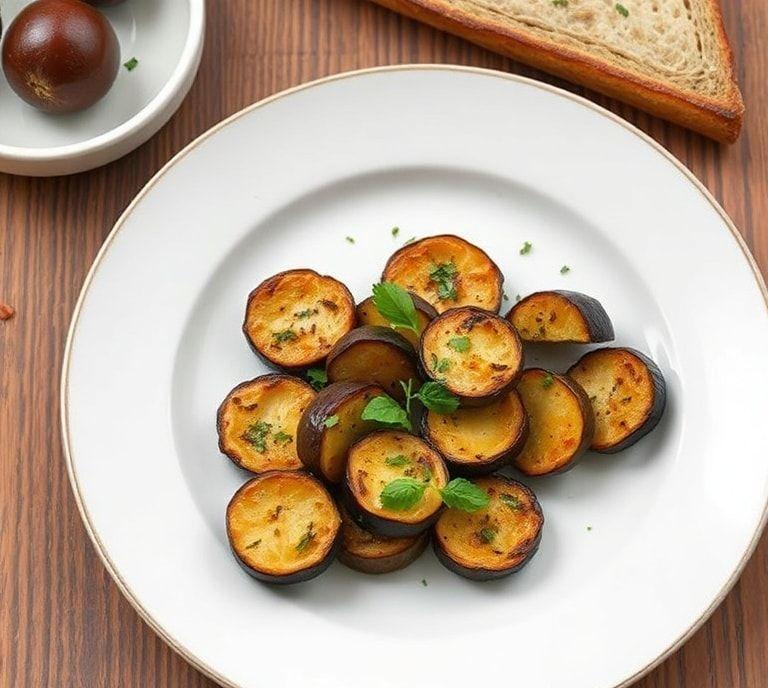
This eggplant recipe is a combination of the rich, earthy flavors of roasted eggplant with the tangy notes of tomato and the warmth of Mediterranean spices. It’s a dish that can stand on its own as a main course, or pair perfectly with a fresh salad or crusty bread. There’s something almost comforting about this particular recipe, and I think it’s because the eggplant absorbs all those delicious flavors while maintaining its slightly smoky, tender texture.
Ingredients Needed
Here’s what you’ll need to make this eggplant masterpiece:
- 2 medium-sized eggplants – Make sure they’re firm and heavy for their size, which usually means they’re fresh and will cook up nicely.
- 1 can (14 oz) of diced tomatoes – This brings in that tangy, juicy element that contrasts beautifully with the richness of the eggplant.
- 1 onion – Sweet or yellow onions work best; they’ll caramelize nicely as they cook.
- 2 cloves of garlic – Because garlic. It just brings everything to life.
- 1 teaspoon of ground cumin – This spice adds warmth and depth to the dish. You can almost taste the sun when you use cumin.
- 1 teaspoon of paprika – The smokiness here complements the eggplant’s flavor so beautifully.
- 1 tablespoon of olive oil – Don’t skimp on this. A good quality olive oil adds richness to the dish and helps everything sauté to perfection.
- 1 teaspoon of salt – For balancing all the flavors.
- 1/2 teaspoon of black pepper – For that perfect touch of spice.
- Fresh parsley or basil – For garnish, adding a little pop of color and freshness.
- A squeeze of lemon – The acidity will cut through the richness of the eggplant and tomatoes beautifully.
Cooking Instructions
- Prepare the Eggplant: Start by slicing your eggplants into thick rounds, about 1/2 inch thick. Lay them out on a paper towel and sprinkle with a little salt. Let them sit for about 10-15 minutes. This process draws out any excess moisture and helps prevent the eggplant from soaking up too much oil when you cook it. You’ll notice some liquid will pool on top-that’s the bitterness leaving.
- Sauté the Aromatics: While the eggplant is resting, heat the olive oil in a large skillet over medium heat. Once hot, add the chopped onion and cook for about 5-6 minutes, or until they turn translucent and soft. Then, toss in the garlic and cook for another 1-2 minutes, until fragrant.
- Cook the Eggplant: Pat the eggplant slices dry with a paper towel to remove any excess moisture. Add them to the skillet in a single layer and cook for about 4-5 minutes per side, until golden brown and tender. You might need to do this in batches depending on the size of your pan. It’s worth it, trust me.
- Add the Tomatoes and Spices: Once all the eggplant is cooked, add the diced tomatoes (with their juice) into the skillet, followed by the cumin, paprika, salt, and pepper. Stir everything together and let it simmer on low heat for another 10-15 minutes, until the tomatoes have softened and the flavors meld together. You’ll start to notice a rich, savory aroma filling your kitchen.
- Finish and Serve: Before serving, squeeze a little fresh lemon juice over the top and garnish with chopped parsley or basil. The lemon brings an extra level of brightness that cuts through the richness of the dish, making each bite feel fresh and vibrant.
Ingredient Science Spotlight
Let’s take a moment to talk about the star of this dish: the eggplant. It’s often called the "meat of the vegetable world" due to its rich, dense texture, which makes it a fantastic substitute for meat in vegetarian dishes. But it’s also got a bit of a unique chemistry. Eggplants are made up of about 90% water, which is why they can soak up oils and flavors so easily when cooked. This water content is also what gives the eggplant its silky, melt-in-your-mouth texture when roasted or sautéed.
The key to making eggplant taste its best lies in handling that moisture. By salting the slices and allowing them to sweat, you’re removing some of that excess water before cooking, so the eggplant will brown and crisp up rather than become soggy. The high water content also makes eggplants a natural canvas for absorbing all those amazing spices, which is why it works so well in dishes like this one.
Expert Tips
- Pre-salting the Eggplant: Don’t skip the step of salting and letting the eggplant rest. It might seem unnecessary, but it makes a huge difference in texture and flavor. By pulling out the moisture, it allows the eggplant to become rich and flavorful instead of watery.
- Use a Heavy Skillet: A heavy-bottomed skillet (like cast iron) helps evenly distribute heat, which ensures the eggplant cooks evenly and doesn’t burn. It also contributes to that perfect golden-brown crispness that you want.
- Give It Time to Simmer: Once you add the tomatoes and spices, let the dish simmer long enough for everything to come together. It’s tempting to rush, but slow cooking for 10-15 minutes allows the flavors to develop and deepen, creating that satisfying depth you crave.
Recipe Variations
- Spicy Kick: If you like a bit of heat, toss in some red pepper flakes or a diced chili pepper when you add the garlic. The spiciness balances the richness of the eggplant beautifully.
- Cheesy Option: For a creamy twist, sprinkle some grated Parmesan or feta cheese over the top just before serving. The saltiness of the cheese adds a delicious contrast to the sweet tomatoes and savory eggplant.
- Herb Variations: You can swap out the parsley or basil for other fresh herbs like oregano or thyme. These herbs will give the dish a slightly different flavor profile, especially if you’re going for a Mediterranean vibe.
- Add Protein: While this dish is already hearty, if you want to make it more filling, add chickpeas, lentils, or a dollop of Greek yogurt on top when serving.
Final Words
This eggplant recipe is a reminder of how simple ingredients can come together to create something truly delicious. It’s flexible enough to adapt to whatever you have on hand, but grounded enough in flavor to make it a dish you’ll turn to again and again. Whether you’re a seasoned cook or just starting out, it’s a recipe that guarantees great results with minimal effort.
FAQs
What Are Some Popular Eggplant Vegetarian Recipes?
Popular eggplant vegetarian recipes include dishes such as Eggplant Parmesan, Stuffed Eggplant, Eggplant Stir-fry, Moussaka, and Grilled Eggplant with herbs. These recipes often feature eggplant as the main ingredient, complemented by various vegetables, cheeses, or grains. They can be prepared in a variety of cooking methods including baking, grilling, frying, and sautéing, offering a range of flavors and textures.
How Do You Cook Eggplant So It’s Not Bitter?
To reduce bitterness in eggplant, you can salt it before cooking. Slice the eggplant and sprinkle salt on the cut sides, letting it sit for 20-30 minutes. This draws out excess moisture and any bitterness. Afterward, rinse off the salt and pat the slices dry with a paper towel. You can also peel the eggplant if it has a thick skin, as the skin can sometimes contribute to the bitterness.
Can Eggplant Be Used As A Meat Substitute In Vegetarian Recipes?
Yes, eggplant is commonly used as a meat substitute in vegetarian recipes due to its meaty texture and ability to absorb flavors. It is often used in dishes like eggplant burgers, eggplant ’steaks’, and vegetarian ’meatballs’. When cooked properly, eggplant can provide a satisfying, savory component in vegetarian dishes, making it an ideal choice for plant-based meals.