When it comes to soul-satisfying meals, few dishes can compare to the depth of flavor and richness found in African stews. These stews are more than just food-they’re a celebration of tradition, culture, and community. Growing up, I remember my grandmother’s kitchen always filled with the fragrant aroma of stews simmering on the stove. The pot would always be bubbling with hearty vegetables, spices, and love. Over the years, I’ve experimented with a variety of stews, but there’s something uniquely comforting about an African-style stew. This vegetarian version is particularly close to my heart. It’s full of vibrant vegetables, hearty beans, and packed with layers of spices that remind me of the bustling markets and warm hospitality of many African countries.
This recipe brings together a mix of earthy flavors and spicy undertones that make African stews truly one-of-a-kind. Whether you’re already familiar with African cuisine or are trying it for the first time, this stew is the perfect introduction to a whole new world of flavors. It’s warm, hearty, and nourishing-just the kind of dish you’ll want to share with family and friends.
African Stew Vegetarian Recipe
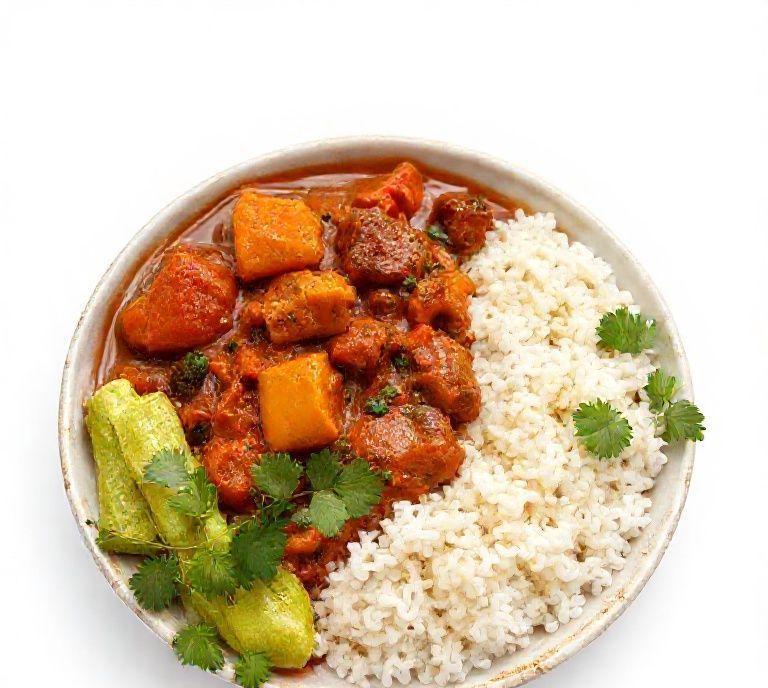
African stews vary from region to region, but they all share a common trait: they’re filled with flavors that comfort and energize. This vegetarian version of the stew focuses on the simplicity and depth that vegetables, beans, and a mix of African spices can provide. It’s perfect for those who want to embrace a plant-based diet or just want to explore something new.
Ingredients Needed
To make this stew, you’ll need a mix of ingredients that are easy to find but still pack a punch when it comes to flavor. Here’s what you’ll need:
- Olive oil (or coconut oil for an extra tropical twist) – This will serve as the base for sautéing the aromatics.
- Onions – The backbone of many stews and soups, onions bring a natural sweetness when sautéed.
- Garlic – No stew is complete without garlic, and it adds a lovely pungency that enhances every other flavor.
- Ginger – A little heat and brightness that pairs beautifully with the other spices.
- Carrots – Earthy and slightly sweet, carrots help balance out the heat of the spices.
- Bell peppers – You can use a mix of red, yellow, or green for a pop of color.
- Tomatoes – Fresh or canned, tomatoes are a must for that rich, umami base.
- Sweet potatoes – These add a creamy texture and a slightly sweet flavor that complements the savory ingredients.
- Canned chickpeas or black beans – These hearty legumes help make the dish filling and are packed with plant-based protein.
- Vegetable broth – A good-quality broth will provide the foundation of flavor for the stew.
- Spinach or kale – For a dose of greens that will cook down beautifully into the stew.
-
Spices: Here’s where the magic happens:
- Cumin – Warm, nutty, and earthy.
- Coriander – A citrusy, slightly spicy touch that brightens the stew.
- Turmeric – For that golden color and an anti-inflammatory punch.
- Paprika – Smoked or sweet, depending on your preference, it adds a gentle smoky heat.
- Cayenne pepper – If you want a little kick (optional, but highly recommended).
- Salt and black pepper – To taste.
- Lemon juice or vinegar – Just a squeeze at the end brightens everything up and gives it that signature tang.
Cooking Instructions
-
Prepare The Ingredients
Start by chopping your vegetables into bite-sized pieces-carrots, bell peppers, and sweet potatoes all need to be in manageable sizes to ensure even cooking. Drain and rinse your beans, and set them aside. If you’re using fresh spinach or kale, wash it thoroughly and chop it up.
-
Sauté The Aromatics
Heat a large pot over medium heat and add about two tablespoons of olive oil (or coconut oil). Once hot, add the onions and cook for about 5 minutes, stirring occasionally, until they turn soft and translucent. Add the garlic and ginger and cook for another minute or two, letting their aromas fill your kitchen.
-
Cook The Vegetables
Add the carrots, bell peppers, and sweet potatoes to the pot. Stir them around for a few minutes, allowing them to pick up some of the flavors from the aromatics. Sprinkle in the cumin, coriander, paprika, turmeric, and cayenne (if using), then stir everything together until the spices are well distributed.
-
Add The Tomatoes And Broth
Pour in the chopped tomatoes (fresh or canned) and vegetable broth, stirring to combine. The tomatoes will break down and form the base of the stew. Bring the mixture to a simmer, and let it cook for about 15-20 minutes, or until the vegetables start to soften.
-
Add The Beans And Greens
Once the vegetables are soft, stir in the beans and spinach or kale. Let it simmer for another 10 minutes, allowing the beans to warm through and the greens to wilt.
-
Season And Finish
Taste the stew and adjust the seasoning with salt, pepper, and a squeeze of lemon juice or a splash of vinegar. The acid will brighten up the flavors and balance the richness of the stew.
-
Serve
Ladle the stew into bowls, garnish with fresh herbs if desired (parsley, cilantro, or green onions work beautifully), and enjoy with some crusty bread or rice.
Ingredient Science Spotlight
The beauty of a stew like this lies in how each ingredient plays a specific role. Let’s take a closer look at some of the key players:
- Sweet Potatoes: Rich in beta-carotene (which our bodies convert to vitamin A), sweet potatoes add natural sweetness and a creamy texture to the stew. The fiber in sweet potatoes also helps keep you full longer and supports gut health.
- Chickpeas and Beans: These legumes provide an excellent source of plant-based protein and fiber, making the stew hearty and satisfying. They’re also rich in folate, iron, and magnesium-nutrients that support energy levels and overall health.
- Spices (Cumin, Coriander, Turmeric): These spices are not just for flavor-they also have a host of health benefits. Cumin aids in digestion, coriander has anti-inflammatory properties, and turmeric is packed with curcumin, which has been linked to anti-cancer and anti-inflammatory effects.
Expert Tips
- Make it Ahead: Stews always taste better the next day, so don’t hesitate to make this dish ahead of time. The flavors meld beautifully overnight, and the stew can be stored in the refrigerator for up to 3 days. You can also freeze it for longer storage.
- Spice Adjustments: If you prefer a milder stew, reduce or omit the cayenne pepper. If you like it hot, feel free to add extra cayenne or even a diced chili pepper when you sauté the vegetables.
- More Texture: To add some variety, try blending half the stew (after cooking) until smooth and then stir it back into the rest. This gives the stew a creamy consistency while still leaving chunky bits for texture.
- Add Tofu or Tempeh: If you want to bump up the protein even further, add some cubes of firm tofu or tempeh. They’ll absorb the stew’s flavors beautifully and add a nice, meaty bite.
Recipe Variations
- African Peanut Stew: Add a couple of tablespoons of natural peanut butter towards the end of cooking. It adds a lovely richness and brings the stew closer to the classic West African peanut stews.
- Spicy Moroccan Twist: Incorporate preserved lemon and a pinch of cinnamon for a Moroccan-inspired version. Top with toasted almonds for a crunch.
- Swap the Beans: While chickpeas and black beans work wonderfully here, you can easily swap them for kidney beans, lentils, or even a mix of beans.
Final Words
This African stew is a wonderful exploration of flavors, textures, and ingredients that come together to create a hearty, satisfying meal. It’s the kind of dish that’s not only nourishing for the body but also comforting for the soul. Whether you’re making it for a weeknight dinner or a special occasion, it’s a recipe that brings people together over something simple yet extraordinary.
FAQs
What Are The Key Ingredients In An African Vegetarian Stew?
An African vegetarian stew typically includes a variety of vegetables, legumes, and aromatic spices. Common ingredients are tomatoes, onions, garlic, carrots, bell peppers, potatoes, and a variety of leafy greens such as spinach or kale. Additionally, beans, lentils, or chickpeas are often added for protein. Spices like ginger, turmeric, cumin, coriander, and chili peppers give the stew its distinctive flavors. Some variations may include coconut milk or peanut butter for a creamy texture.
Can I Use Different Vegetables In An African Vegetarian Stew?
Yes, you can certainly customize the vegetable selection based on availability and personal preference. Popular vegetables in African stews include okra, eggplant, sweet potatoes, and squash. Root vegetables like yams and cassava are also commonly used in many African cuisines. Feel free to add or substitute vegetables such as zucchini, parsnips, or green beans, as the dish is versatile and adaptable to different tastes and seasons.
Is African Vegetarian Stew Spicy, And Can I Adjust The Heat Level?
African vegetarian stew can be spicy, depending on the amount of chili or hot peppers used in the recipe. The level of spiciness is adjustable to suit your preferences. If you prefer a milder stew, you can reduce or omit the chili peppers, or use milder varieties such as bell peppers or paprika. Conversely, if you enjoy a spicier dish, you can add more chili peppers or hot sauce to increase the heat.