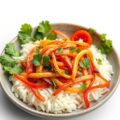
If there’s one dish that I find myself coming back to time and time again, it’s a warm, comforting bowl of curry. There’s something about the way a curry can wrap itself around you like a cozy blanket-spicy, fragrant, and deeply satisfying. And when it comes to making curry at home, Golden Curry is one of the most delightful versions I’ve encountered.
This vegetarian Golden Curry recipe isn’t just a meal; it’s an experience. I remember the first time I made it: the kitchen was filled with the warm, inviting aroma of simmering spices, and with each passing minute, the anticipation grew. There’s something magical about cooking a dish like this from scratch, and I’ve learned that the key to a perfect Golden Curry lies in balancing the spices and allowing the ingredients to shine. So, whether you’re an experienced cook or just starting out, this recipe is easy to follow and incredibly rewarding. I promise you’ll be hooked from the first bite.
Golden Curry Vegetarian Recipe

Golden Curry, as the name suggests, has a beautiful golden hue, thanks to the combination of turmeric and other spices. It’s a rich and hearty curry that’s perfect for a chilly evening or when you just need something cozy to eat. The vegetarian version is full of vegetables like carrots, potatoes, and bell peppers, all swimming in a fragrant, slightly sweet curry sauce. It’s comfort food with a depth of flavor that will make you forget you’re eating something that’s meat-free.
I’ve found that Golden Curry has a unique blend of sweet and savory, which makes it a crowd-pleaser in my house, whether I’m cooking for family or friends. It’s also a great dish for meal prep because the flavors only get better the next day. Trust me when I say that once you’ve tasted this homemade version, you’ll never look at the store-bought curry mix the same way again.
Ingredients Needed
Before we dive into the cooking, let’s talk ingredients. You won’t need anything too out of the ordinary, but there are a few key items that elevate the flavor of this curry:
- Vegetable oil: For sautéing the aromatics and getting that curry base just right. It’s the starting point for all those deep flavors to build upon.
- Onions: Sweet onions work best here. When they caramelize in the oil, they bring out a natural sweetness that balances the curry’s spices.
- Garlic and ginger: These two are absolutely essential for that aromatic, fresh base that adds complexity to the curry.
- Carrots: Their natural sweetness and crunch provide a great texture contrast to the creamy sauce.
- Potatoes: I love using Yukon Golds in this dish because they break down a little during cooking, adding to the creaminess of the curry.
- Bell peppers: Red and yellow bell peppers give a burst of color and freshness to the dish, making each bite more interesting.
- Curry powder: This is where the magic happens. A good quality curry powder is the backbone of this recipe. It’s packed with a mix of turmeric, cumin, coriander, and other spices that give the curry its signature flavor and beautiful golden color.
- Coconut milk: Adds creaminess and a subtle sweetness to balance the heat and spice.
- Vegetable broth: This brings everything together into a silky-smooth sauce.
- Soy sauce: A splash of soy sauce adds umami and depth to the dish, rounding out the flavors.
- Chili flakes: For a bit of heat. You can adjust this based on how spicy you like your curry.
Cooking Instructions
Now, let’s get to the fun part: cooking! The process is simple but rewarding, and the scent of this curry as it comes together is honestly half the joy.
- Prepare the vegetables: Peel and chop the potatoes and carrots into bite-sized pieces. Slice the onions thinly, and chop the bell peppers into strips. Mince the garlic and ginger so that they’re ready to go. It’s a bit of prep work, but it’s worth it for a smooth cooking experience.
- Sauté the aromatics: Heat the vegetable oil in a large pot over medium heat. Add the onions first and sauté for about 5 minutes, until they soften and begin to caramelize. Then add the garlic and ginger, and cook for another minute or so, letting the smells fill your kitchen.
- Add the curry powder: Sprinkle in your curry powder and stir it around for about 30 seconds, allowing the spices to toast a bit in the oil. This is the step where all the fragrant goodness begins to come alive.
- Cook the vegetables: Add the potatoes and carrots to the pot, stirring them into the spice mixture. Let them cook for about 5 minutes, so they get nicely coated with the spices.
- Simmer the curry: Pour in the vegetable broth and coconut milk, stir to combine, and bring everything to a simmer. Let it cook for about 20 minutes, or until the potatoes and carrots are tender.
- Add the bell peppers and soy sauce: Stir in the bell peppers and a splash of soy sauce. Simmer for an additional 5 minutes, just until the peppers soften slightly but still retain some bite.
- Adjust the seasoning: Taste the curry and adjust the salt, soy sauce, or chili flakes to your liking. If you prefer a creamier curry, you can add a bit more coconut milk at this stage.
- Serve: Spoon the curry over a bed of fluffy rice or enjoy it as is. Garnish with fresh cilantro or green onions if you like.
Ingredient Science Spotlight
Let’s pause for a moment and talk about one of my favorite parts of this recipe: the ingredient science. The magic of Golden Curry doesn’t just lie in the combination of spices-it’s how those ingredients interact.
For instance, coconut milk: its creamy, fatty nature doesn’t just add richness. It also helps carry the spices through the dish, ensuring each bite is velvety and well-rounded. The natural sweetness of coconut milk also helps temper the heat from any chili flakes you might add, providing a balanced flavor profile.
The turmeric in the curry powder not only gives the curry that signature golden color but also brings anti-inflammatory properties. It’s one of those spices that can make you feel good both while eating it and after. Cumin, another mainstay in curry powder, is known to help with digestion, which makes this curry a surprisingly soothing dish, especially when paired with rice.
Expert Tips
- Balance the sweetness and heat: If you find the curry a bit too spicy, don’t hesitate to add a touch of maple syrup or brown sugar. A little sweetness can help balance out the heat and bring the flavors together.
- Don’t skimp on the aromatics: Onions, garlic, and ginger aren’t just there for flavor; they create the base for everything else. Be patient as you cook them-they should soften and sweeten before you move on to the next step.
- Make it ahead: Like most curries, this one gets better as it sits. Make a big batch and let it rest in the fridge overnight. The flavors meld and deepen, and the curry becomes even more satisfying.
- Customize with your favorite veggies: Don’t be afraid to swap in or out your preferred vegetables. Zucchini, sweet potatoes, or even cauliflower could make great additions.
Recipe Variations
While the Golden Curry Vegetarian recipe is already packed with flavor, it’s versatile and open to many adaptations. Here are a few ways you can change it up:
- Add protein: If you want to bulk up the curry, you can add chickpeas, tofu, or tempeh for a hearty, plant-based protein.
- Spicy kick: For those who enjoy heat, toss in a chopped fresh chili or a bit of extra chili powder. The heat can elevate the flavor of the curry in unexpected ways.
- Make it richer: Want a richer curry? Consider stirring in some peanut butter or almond butter, which will add depth and creaminess.
Final Words
Golden Curry is a dish that feels as good as it tastes. Whether you’re cooking for one or for a crowd, it’s the kind of recipe that always makes an impression. Each ingredient plays a role in creating a harmonious, layered flavor profile that’s sure to satisfy.
FAQs
What Ingredients Are Needed For A Golden Curry Vegetarian Recipe?
A typical golden curry vegetarian recipe includes ingredients like potatoes, carrots, onions, bell peppers, and a variety of vegetables of your choice. It also requires golden curry paste or powder, coconut milk (or vegetable broth), garlic, ginger, soy sauce, and optional tofu or chickpeas for added protein. Spices such as turmeric, cumin, and coriander are key to achieving the curry’s signature flavor.
Can I Make A Golden Curry Vegetarian Recipe Spicier?
Yes, you can adjust the spiciness of your golden curry by adding chili peppers, cayenne pepper, or extra curry paste. To make it more flavorful and spicy, you can use a spicier version of golden curry paste or add some freshly chopped green chilies or chili powder according to your heat preference.
How Can I Make The Golden Curry Vegetarian Recipe Gluten-free?
To make the golden curry vegetarian recipe gluten-free, ensure that the curry paste you use is gluten-free. Some curry pastes may contain wheat or other gluten-derived ingredients, so check the label or make your own from scratch. Additionally, make sure to use gluten-free soy sauce or tamari if the recipe calls for it. Most vegetables and coconut milk are naturally gluten-free, so this dish can easily be adapted to a gluten-free diet with these adjustments.