I don’t know about you, but there’s something about a hearty, steaming bowl of soup that just makes everything feel right in the world. Maybe it’s the nostalgia of curling up with a bowl on a rainy day or the simple joy of knowing you’ve created something nourishing from scratch. This recipe for a Dried Bean Soup has been a staple in my kitchen for years-an easy, comforting meal that is both satisfying and endlessly adaptable. It’s vegetarian, but don’t let that fool you; it’s packed with flavors and textures that even the most committed meat lovers will appreciate. The beauty of dried beans is that they’re rich in protein, fiber, and nutrients, yet they often get overlooked in favor of faster, processed options. But once you take the time to cook them, the reward is well worth it.
This soup is the kind of dish that feels like a big, cozy hug. It’s a perfect balance between comfort food and healthy eating-something you can serve up on a chilly evening, for meal prep during the week, or even for a crowd on a Sunday afternoon. The best part? You can tweak it to suit whatever you have on hand. I’ve thrown in random vegetables from the fridge, adjusted the seasoning based on mood, and added extra herbs when I wanted to experiment. The flexibility is one of the reasons I adore it. Plus, beans are dirt cheap when you buy them dried, making this recipe a wallet-friendly option, too.
Dried Bean Soup Vegetarian Recipe
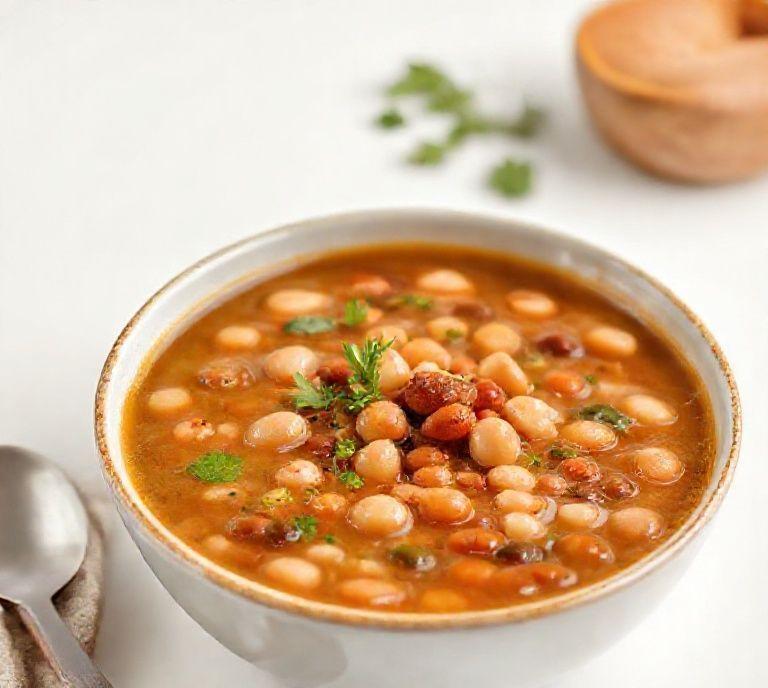
If you’re into the kind of food that gets better as it sits, this dried bean soup is your new best friend. I’ve never had a bad batch, and the leftovers just keep on giving. It’s a set-it-and-forget-it kind of meal once it’s simmering on the stove, and the longer it cooks, the richer the flavors become. The beans-whether you’re using pinto, kidney, or a mix-are the stars of the show, soaking up all those delicious flavors and creating a silky texture. It’s the kind of recipe you can throw together in the morning, then let it work its magic all day, so you don’t have to worry about dinner.
Ingredients Needed
Here’s the list of ingredients I always keep handy for this recipe. It’s simple and straightforward, but together they create something special:
- 1 ½ cups dried beans (choose your favorite: pinto, kidney, navy, or black beans)
- 1 large onion, chopped
- 3 cloves garlic, minced
- 2 medium carrots, diced
- 2 celery stalks, chopped
- 1 medium potato, diced (optional for extra heartiness)
- 1 teaspoon ground cumin
- 1 teaspoon dried thyme or Italian seasoning
- 1 bay leaf
- 6 cups vegetable broth (or water, but broth adds richness)
- 1 tablespoon olive oil
- Salt and pepper to taste
- 1 tablespoon lemon juice (or vinegar, for a little tangy kick at the end)
- Chopped fresh parsley (for garnish)
I like to keep things pretty traditional, but you can add whatever extra veggies or spices you like to make it your own. Zucchini, bell peppers, or even a handful of spinach toward the end work wonders.
Cooking Instructions
Now, let’s dive into the actual cooking. I know the idea of dried beans can be intimidating for some, but they’re surprisingly easy to work with once you get the hang of it. If you’ve ever opened a can of beans, you know they’re a little mushy, right? Dried beans, on the other hand, give you that perfect balance of soft interior and slightly firm skin. Here’s how I approach it:
- Prep the Beans: Start by sorting through the dried beans. You’ll want to look for any small stones or debris that can get mixed in (I’ve learned that lesson the hard way once-nothing like a cracked tooth in the middle of a cozy dinner). Rinse the beans well to remove any dust or dirt. If you’ve got time, you can soak them overnight to reduce cooking time, but it’s not a deal-breaker if you forget. Just give them a longer simmer.
- Sauté the Aromatics: In a large pot, heat up the olive oil over medium heat. Toss in your chopped onions and sauté until they’re soft and slightly golden, about 5-7 minutes. Then add the garlic, carrots, and celery, cooking for another 3-4 minutes until fragrant. This step is essential-it builds the base flavors that will make the soup taste so rich.
- Cook the Beans: Add the beans to the pot, followed by your vegetable broth, cumin, thyme, and bay leaf. Bring everything to a boil, then reduce the heat to low. Cover the pot and let it simmer for about 1.5 to 2 hours, stirring occasionally. You’ll want to check the beans every now and then-taste one to see if it’s tender and soft. Depending on the beans, cooking times may vary, but the beans should absorb all the flavors from the aromatics and spices.
- Finishing Touches: Once the beans are tender, season the soup with salt and pepper to taste. A little splash of lemon juice or vinegar at the end brightens everything up. Remove the bay leaf, and ladle the soup into bowls. Sprinkle some fresh parsley on top for a pop of color and flavor.
If you’re in a hurry, you can always use a pressure cooker or Instant Pot for a much faster cook time-just follow the same basic steps but adjust cooking times according to your pressure cooker’s settings.
Ingredient Science Spotlight
I’m a big fan of understanding the magic behind the ingredients. Take beans, for example: these little powerhouses are full of plant-based protein, fiber, and essential vitamins like folate, iron, and magnesium. What I love most about beans is how they absorb the flavors of whatever you cook them with, which makes them the perfect canvas for soups like this one. Plus, cooking beans from scratch (instead of buying canned beans) helps retain more of their nutritional value. They also tend to have fewer added preservatives, which is always a win in my book.
The combination of vegetables-onions, carrots, celery-serves as the foundation for the soup’s flavor. They’re like the holy trinity of cooking (a term you may have heard before), bringing sweetness and depth. The starches from the potatoes (if you include them) also help thicken the soup and add to the velvety texture, while the broth is what ties everything together, infusing the soup with richness.
Expert Tips
Here are a few tips I’ve learned over the years to make this recipe even better:
- Don’t Skip the Sautéing: A lot of people think they can just throw everything into the pot and call it a day, but taking the time to sauté the onions, garlic, and carrots first makes a world of difference. This step caramelizes the vegetables and brings out their sweetness.
- Adjust Consistency: If you prefer a thicker soup, you can mash some of the beans with a potato masher or use an immersion blender to purée part of it. That’ll make it creamy without needing cream.
- Spices & Herbs: The beauty of this recipe is its flexibility. You can change up the spices based on what you have in the pantry. Add smoked paprika for a smoky kick, or fresh rosemary for an earthier depth. Sometimes I toss in a pinch of chili flakes for a little heat.
- Don’t Rush the Beans: One of the reasons dried beans are so magical is that they take time to cook, but they also take time to absorb flavors. Don’t rush the process-let them simmer at their own pace for the best results.
Recipe Variations
One of the things I love about this soup is how easily it can be adapted. Here are some variations:
- Add Greens: Throw in a handful of spinach, kale, or Swiss chard near the end of cooking. They’ll wilt down and add extra nutrients and color to the soup.
- Spicy Twist: If you love spice, try adding a chopped jalapeño with the aromatics, or stir in some chili powder for a deeper heat.
- Chunkier Soup: For a heartier version, add more potatoes, or even toss in some sweet potatoes for a little sweetness to balance the savory broth.
- Smoky Flavor: Add a bit of smoked paprika, or if you’re feeling adventurous, a small bit of smoked sausage for a smoky, savory punch. Just make sure you stick with the vegetarian theme if that’s your goal.
Final Words
I think what makes this dried bean soup so special is its simplicity. It’s one of those recipes that gets better over time. I’ve had days where I add random vegetables from the fridge or play around with different herbs, and each time it feels like a new, exciting version of the same comforting dish. And even though it’s vegetarian, it’s so filling that it could be a complete meal on its own, no need for a side dish. I’ve made this for friends, family, and even solo nights in, and it always delivers.
FAQs
What Types Of Dried Beans Are Best For A Vegetarian Soup?
The best dried beans for vegetarian soup include navy beans, black beans, kidney beans, pinto beans, and lentils. These beans have a hearty texture and hold up well during cooking, making them ideal for soups. You can also experiment with mixed bean varieties for added flavor and nutritional value.
How Do I Cook Dried Beans For A Vegetarian Soup?
To cook dried beans for a vegetarian soup, start by rinsing the beans thoroughly to remove any debris. Next, soak them in water overnight to reduce cooking time and improve digestibility. After soaking, drain and rinse the beans, then add them to a pot with fresh water or broth. Bring to a boil, then simmer for 1-2 hours, or until the beans are tender. You can also use a pressure cooker to speed up the process, reducing cooking time to about 30 minutes.
Can I Make Dried Bean Soup Without Vegetable Broth?
Yes, you can make dried bean soup without vegetable broth. Simply use water as the base, and enhance the flavor with herbs, spices, garlic, onions, and vegetables like carrots, celery, and tomatoes. If you’re looking for a richer flavor, you can add a splash of soy sauce, nutritional yeast, or a touch of miso for umami. The beans themselves will contribute a lot of flavor and texture to the soup.