There’s something undeniably satisfying about taking a classic dish and giving it a fresh twist. For me, it’s all about finding the balance between tradition and creativity, especially when it comes to cooking. I’ve always been drawn to recipes that feel familiar, but challenge the status quo with unexpected ingredients or new techniques. That’s exactly what this Vegetarian Jerk recipe does – it takes the bold, fiery, and flavorful essence of traditional Jamaican jerk seasoning and makes it accessible for everyone, even those who don’t eat meat.
I remember the first time I tasted jerk chicken-it was on a trip to the Caribbean, and I’m not exaggerating when I say it was a revelation. The smoky, spicy flavor hit every note, and I was instantly hooked. But as my eating habits evolved, I found myself missing that vibrant, complex taste. So, I set out to create a vegetarian version that still delivered the same punch without sacrificing authenticity. After countless trials, I found the perfect balance. What you’ll find below isn’t just a recipe; it’s a personal journey of flavor, creativity, and finding new ways to savor the things we love.
Vegetarian Jerk Recipe
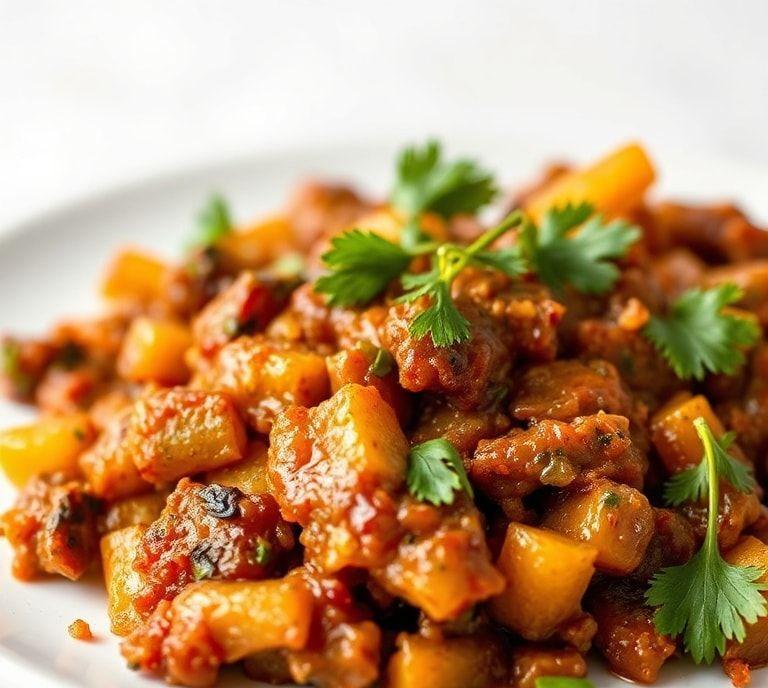
This recipe captures the spirit of traditional jerk cooking, with the spices, the heat, and that unmistakable smokiness-but it’s made without a single ounce of meat. Instead, we’re using hearty vegetables and plant-based proteins that hold up to the intense seasoning. Whether you’re a committed vegetarian or simply looking to add more plant-based meals into your routine, this dish won’t leave you feeling like you’re missing out.
There’s a certain freedom in cooking vegetarian jerk-without the need to worry about overcooking or drying out meat, you can focus entirely on the flavor. The end result is a perfect blend of sweetness, spiciness, and smokiness, with a satisfying texture that will make you forget you’re not eating chicken or pork. This recipe is not just about replacing the meat; it’s about recreating the entire jerk experience, from the aroma of the marinade to the satisfying crunch of the veggies.
Ingredients Needed
For this vegetarian jerk recipe, the ingredients list is a bit like the soundtrack to a classic reggae tune: rich, vibrant, and layered. You’ll need some staple ingredients that form the base of the jerk flavor-spices, herbs, and aromatics-but you’ll also need vegetables and plant-based proteins that can carry that flavor and provide texture. Here’s what you’ll need:
- Tempeh or Tofu: These are your plant-based proteins, and they do an excellent job of absorbing the jerk marinade and holding onto all the flavors.
- Scallions (Green Onions): They provide a mild oniony bite and are a classic ingredient in jerk recipes.
- Scotch Bonnet Peppers: The fiery star of the show. If you can’t find scotch bonnet peppers, use habaneros as a substitute for that signature heat.
- Garlic: Essential for any marinade, adding depth and a bit of sweetness.
- Ginger: Fresh ginger gives a zesty kick and complements the heat from the peppers.
- Thyme: A key herb in Caribbean cooking that adds an earthy, slightly floral note.
- Cinnamon: A surprising but perfect addition for warmth and complexity.
- Allspice (Pimento): This is one of the signature flavors of jerk seasoning and gives the dish its signature aroma.
- Brown Sugar: Just a bit to balance out the heat and give the marinade a sweet touch that caramelizes during cooking.
- Soy Sauce or Tamari: For depth and umami, bringing the savory side of jerk to life.
- Lime Juice: Adds that necessary acidity to balance out the richness of the marinade.
- Olive Oil: For roasting or grilling the vegetables, providing a nice sheen and preventing them from sticking.
Cooking Instructions
This recipe doesn’t require a lot of fancy techniques, but it does involve a little patience-especially with the marinating step. Here’s how to bring it all together:
- Prepare the Marinade: Start by blending all the marinade ingredients in a food processor or blender. Throw in the scallions, garlic, ginger, scotch bonnet peppers, thyme, cinnamon, allspice, brown sugar, soy sauce, lime juice, and olive oil. Pulse until it forms a smooth, vibrant paste. The smell should hit you immediately-spicy, herby, and aromatic.
- Marinate the Tempeh or Tofu: Cut your tempeh or tofu into bite-sized cubes or strips. Place them in a shallow dish or ziplock bag, then pour over the jerk marinade. Make sure the pieces are well-coated. Let them marinate for at least an hour, but overnight is even better for maximum flavor absorption.
- Cook the Vegetables: Preheat your oven or grill. If using the oven, set it to 400°F (200°C). Place your marinated tempeh or tofu on a baking sheet lined with parchment paper or a grill-safe tray. Roast for about 25-30 minutes, flipping halfway through for even cooking, until the pieces are slightly crispy on the edges and have absorbed all that jerk flavor.
- Serve It Up: You can serve your jerk tempeh or tofu on its own, or pair it with some rice and peas, a simple cucumber salad, or grilled plantains to balance out the heat. Garnish with fresh cilantro or parsley, and squeeze a little extra lime juice over the top before serving.
Ingredient Science Spotlight
One of the most fascinating things about this recipe is the combination of ingredients that work together not just for flavor, but also for texture, preservation, and depth. Let’s break down a few key players:
- Scotch Bonnet Peppers: These peppers are notorious for their fiery heat, but they also add a distinct fruity flavor that you don’t find in other hot peppers. The capsaicin in scotch bonnets creates that signature burn, but it’s balanced by the sweetness of the other ingredients.
- Brown Sugar: Sugar in jerk seasoning isn’t about making the dish sweet-it’s about creating balance. The sugar helps caramelize the marinade, adding richness and depth while tempering the heat from the peppers.
- Thyme: Thyme is a powerhouse herb in Caribbean cooking. Not only does it add an earthy, herbaceous quality, but its oils have antimicrobial properties, making it a perfect addition to marinades that need to sit for hours or even days.
- Tempeh: Tempeh is a fermented soy product that offers a nutty, hearty texture. Unlike tofu, which is soft and spongy, tempeh holds up beautifully to grilling or roasting. The fermentation process also imparts a slight tang, enhancing the complexity of the dish.
Expert Tips
- Adjust the Heat: If you’re sensitive to spice, start with half the amount of scotch bonnet pepper. You can always add more heat later with hot sauce or by sprinkling chili flakes on top.
- Don’t Skimp on the Marinade: The longer your tempeh or tofu marinates, the better it will taste. If you can, let it sit overnight, so the flavors have plenty of time to meld.
- Grill It If You Can: While roasting works great, grilling gives the tempeh or tofu that lovely smoky flavor that takes the dish to another level.
- Pairing: Serve with a cooling side, like a simple mango salsa or a cucumber and avocado salad, to help balance out the heat of the jerk.
Recipe Variations
While this recipe is delicious as written, there are plenty of ways you can tweak it to make it your own:
- Use Different Proteins: Try swapping the tempeh for seitan or even a hearty mushroom like portobello for a different texture.
- Roast the Vegetables: If you’re not into tofu or tempeh, you can also roast vegetables like sweet potatoes, bell peppers, and zucchini with the jerk seasoning for a more vegetable-centric version.
- Add a Tropical Twist: If you want to add even more Caribbean flavor, consider adding chunks of pineapple to the marinade or grilling pineapple slices alongside the tempeh. The sweetness of the fruit pairs perfectly with the heat of the jerk spices.
Final Words
This vegetarian jerk recipe is all about bringing the vibrancy of Caribbean flavors into a plant-based world. It’s bold, flavorful, and completely satisfying. Whether you’re a die-hard meat lover or someone just starting to experiment with vegetarian meals, this dish proves that you don’t need meat to create something truly spectacular.
If there’s one thing I’ve learned from making this recipe over and over again, it’s that good food doesn’t need to be complicated. Sometimes, the most unexpected combinations (like scotch bonnet and cinnamon) are the ones that hit all the right notes. And, as with all great meals, it’s the kind of dish you can enjoy with friends, sharing stories and laughter over something that’s as rich in flavor as it is in memories.
FAQs
What Ingredients Are Essential For A Vegetarian Jerk Recipe?
A vegetarian jerk recipe typically requires ingredients that replicate the bold and spicy flavors of traditional jerk seasoning. Essential components include allspice, thyme, scallions, garlic, ginger, Scotch bonnet peppers or a milder chili alternative, soy sauce or tamari, lime juice, and brown sugar. Vegetables like bell peppers, carrots, and onions can be used as a base, while proteins such as tofu, tempeh, or seitan absorb the seasoning well.
Can I Make A Vegetarian Jerk Recipe Without Soy Products?
Yes, a vegetarian jerk recipe can be adapted to be soy-free. Instead of tofu or tempeh, you can use hearty vegetables like cauliflower, mushrooms, or eggplant, which hold up well to grilling or roasting. Coconut aminos can replace soy sauce for umami flavor, and a combination of olive oil and vegetable broth can help maintain moisture and enhance the marinade’s penetration.
How Do I Achieve Authentic Jerk Flavor In A Vegetarian Dish?
To achieve authentic jerk flavor in a vegetarian dish, it’s important to focus on the key elements: heat, smokiness, and aromatic spices. Use a blend of ground allspice, nutmeg, thyme, and cinnamon, combined with Scotch bonnet or habanero peppers for heat. Marinate your chosen protein or vegetables for several hours or overnight to allow the flavors to penetrate fully. Grilling or roasting at high heat adds the characteristic smoky flavor, which can be enhanced with smoked paprika or a small amount of liquid smoke if an outdoor grill is unavailable.