There’s something about a pita pocket that just feels like a warm embrace. Soft yet firm, it offers the perfect vessel for a variety of fillings. I still remember the first time I made pita pockets at home-there was an immediate sense of satisfaction when I realized how easy it was to create something that tasted like it came from a fancy restaurant, yet was just a handful of ingredients and a few simple steps. It was one of those "I can do this!" moments, and it’s a feeling I want to share with you.
Now, imagine that pita pocket filled with fresh, vibrant, and nourishing ingredients-perfectly suited for a vegetarian lifestyle or simply for anyone looking to add a bit more plant-based goodness into their day. The flavors come together in such a balance that each bite offers a harmony of textures: the crunch of fresh vegetables, the creaminess of a tangy dressing, and the warmth of pita all packed together. It’s a kind of magic that doesn’t require much effort but leaves you with a deep sense of satisfaction.
In this guide, we’ll walk through a simple yet exciting vegetarian pita pocket recipe, exploring everything from the ingredients to the cooking techniques, and even a little ingredient science for those curious minds.
Vegetarian Pita Pockets Recipe
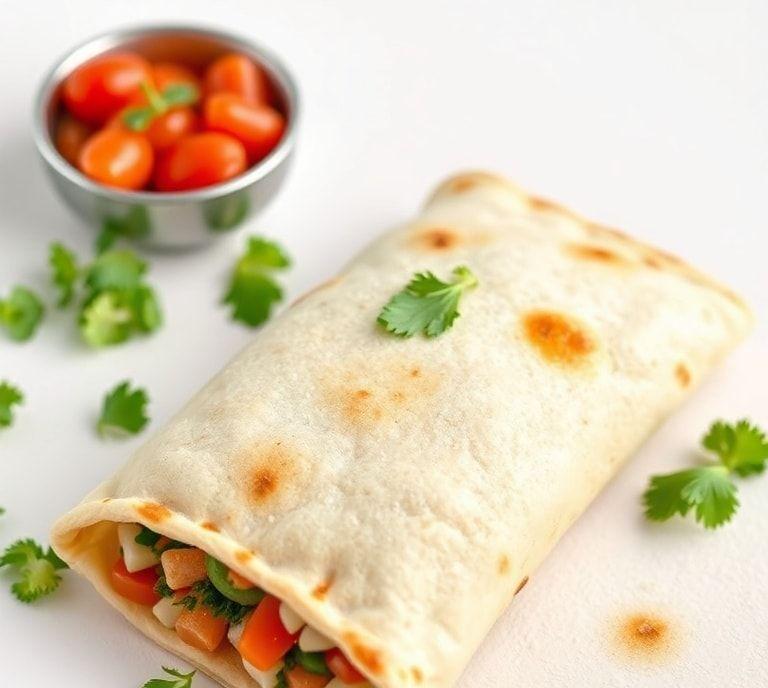
This vegetarian pita pocket recipe is all about simplicity, flavor, and freshness. You can assemble it in no time, making it a great option for a quick lunch or a satisfying dinner. There’s no need for fancy techniques or hard-to-find ingredients-just a few basics, some creativity, and you’re set. Plus, it’s versatile, so you can swap in and out ingredients depending on what you have at hand.
Ingredients Needed
- Whole wheat pita pockets (or regular pita pockets)
- Hummus (store-bought or homemade-I’ll dive into why I love homemade)
- Fresh cucumber, thinly sliced
- Tomatoes, diced or sliced
- Red onion, thinly sliced
- Mixed greens (think spinach, arugula, or a spring mix)
- Feta cheese (crumbled, optional but adds a nice creamy tang)
- Olives (green or black, depending on preference)
- Olive oil (extra virgin, for drizzling)
- Lemon juice (freshly squeezed)
- Salt & pepper (to taste)
Cooking Instructions
- Prep your veggies: Start by washing and slicing your cucumber, tomatoes, and red onion. Keep them thin so they sit nicely inside the pita pocket.
- Warm the pitas: Lightly toast or warm the pita pockets in a dry skillet over medium heat for about 1-2 minutes on each side, just until they’re warm and soft. This step is optional, but it helps to make the pita more pliable for filling.
- Assemble your pocket: Slice open the pita pockets, making a small opening to create a “pocket”. If you’re using a thicker pita, you might want to gently hollow out some of the bread to make room for the fillings.
- Spread the hummus: Generously spread hummus inside the pocket. The creamy texture of the hummus adds richness to the fillings, so don’t skimp on it. It also acts as a sort of “glue” that holds everything together.
- Fill it up: Layer in your cucumber, tomato, red onion, and mixed greens. Sprinkle with crumbled feta cheese and olives for added flavor. The olives give a salty, briny contrast that really brings everything together.
- Finish with a drizzle: Drizzle a little olive oil and lemon juice over the top. A small pinch of salt and pepper will enhance the flavors as well.
- Serve and enjoy: These pita pockets are best enjoyed fresh, but you can also prep them ahead of time for lunch the next day.
Ingredient Science Spotlight
You might be wondering-why exactly do some of these ingredients work so well together? Let’s break it down.
- Pita Bread: This flatbread is a type of unleavened bread, meaning it doesn’t use yeast to rise. Instead, it’s puffed up by the heat during cooking, creating that characteristic pocket. Pita is also lower in calories compared to other bread types, making it a popular choice for lighter meals.
- Hummus: Made from chickpeas, tahini, olive oil, lemon juice, and garlic, hummus is a powerhouse of nutrition. The chickpeas provide a solid dose of plant-based protein and fiber, while tahini (made from sesame seeds) offers healthy fats. It’s not just delicious-it’s also a source of antioxidants and vitamins.
- Olives: Olives are packed with heart-healthy monounsaturated fats and offer an earthy, slightly bitter flavor. They also contain oleuropein, a compound that has anti-inflammatory properties. When added to your pita, they balance out the richness of the hummus and feta, bringing a burst of flavor with each bite.
- Vegetables: The cucumber adds a refreshing crunch, the tomatoes give juiciness, and the onions bring a bit of bite. All of these vegetables are full of vitamins and minerals, making them a great base for any dish. They’re also hydrating, which is a bonus, especially during the warmer months.
Expert Tips
- Choose the right pita: For a more substantial meal, go for whole wheat pita for added fiber and nutrients. If you’re looking for a lighter option, a plain white pita works just as well. Just make sure it’s soft enough to fold, yet sturdy enough to hold the fillings.
- Experiment with hummus flavors: If you want to spice things up, try flavored hummus varieties like roasted red pepper, garlic, or even spicy harissa. It’s a small change that can elevate the whole dish.
- Prepping in advance: You can prep your veggies and hummus ahead of time, storing them in separate containers in the fridge. This makes it easy to assemble the pita pockets quickly when you’re ready to eat.
- Customizing textures: If you like a bit of crunch, throw in some roasted chickpeas or a handful of sunflower seeds. For a creamier texture, try adding mashed avocado.
- Make it your own: Don’t be afraid to get creative. Swap out the feta for goat cheese or shredded mozzarella if you prefer. Add roasted vegetables like bell peppers or zucchini for an extra layer of flavor.
Recipe Variations
This recipe is wonderfully adaptable, and here are some variations you might enjoy:
- Mediterranean Style: Add roasted eggplant, sun-dried tomatoes, and a few sprigs of fresh mint for a Mediterranean twist. You can also sprinkle some za’atar spice over the top to add a bit of depth.
- Spicy Veggie: For a bit of heat, layer in some fresh jalapeños or drizzle a spicy tahini sauce over your filling. A dash of sriracha could also do the trick.
- Falafel Pockets: You can’t go wrong by stuffing your pita with warm, crispy falafel balls. The crunch of the falafel mixed with the creamy hummus makes for a winning combo.
- Asian-Inspired: Swap the hummus for peanut butter or soy-based dressing. Add in some shredded carrots, cilantro, and roasted tofu for an entirely different flavor profile.
Final Words
What I love about these vegetarian pita pockets is how much room there is for personal touch. Whether you’re in the mood for something light and fresh, or craving something with a little more indulgence, you can easily adapt the recipe to fit your needs. They’re an incredible canvas for a variety of flavors, all wrapped up in a soft, warm pocket that’s both comforting and satisfying.
FAQs
What Ingredients Are Typically Used In A Vegetarian Pita Pockets Recipe?
A basic vegetarian pita pockets recipe typically includes whole wheat or white pita bread, a variety of fresh vegetables such as cucumbers, tomatoes, lettuce, and bell peppers, along with a protein source like hummus, falafel, or roasted chickpeas. Additionally, common seasonings might include olive oil, lemon juice, garlic, and tahini for extra flavor.
Can I Make Vegetarian Pita Pockets Ahead Of Time?
Yes, you can prepare most components of vegetarian pita pockets ahead of time. The vegetables and fillings like hummus, falafel, or roasted chickpeas can be stored in the refrigerator for a day or two. However, it is best to assemble the pita pockets shortly before serving to prevent the bread from becoming soggy. If you’re prepping ahead, consider storing the components separately and assembling them just before eating.
Are Vegetarian Pita Pockets Suitable For Meal Prep?
Vegetarian pita pockets can be great for meal prep, especially if you prepare the fillings and vegetables in advance. You can portion the ingredients into separate containers, and when you’re ready to eat, simply stuff the pita with the fillings. To avoid sogginess, store the pita bread and fillings separately until it’s time to assemble.