When it comes to cooking, I’ve always believed that the heart of a dish comes from the ingredients themselves, their story, and how they come together. Korean cuisine, in particular, fascinates me for its deep cultural roots, vibrant flavors, and intricate balance between fresh, fermented, spicy, and savory elements. Yet, there’s something about the simplicity and beauty of vegetarian Korean cooking that makes it stand out. It’s a world of flavor and tradition, without the need for meat. The dish I’ll be sharing with you today is a vegetarian Korean stir-fry, where each ingredient not only adds to the flavor but also tells its own story.
I first stumbled upon this recipe a few years ago, during a trip to Seoul. I was traveling solo, and after a long day of exploring the city, I ended up in a small neighborhood restaurant tucked away in a quiet alley. I asked the owner, who was incredibly kind, if they had a vegetarian option. She smiled, as if this was a perfectly normal request, and brought me a dish that I’ll never forget. It was simple, fresh, and perfectly seasoned, with a delightful balance of textures that stayed with me long after I left the restaurant. The flavors were bright, but the comfort of the dish gave me an overwhelming sense of warmth. This dish, she explained, was inspired by banchan-the traditional Korean side dishes. It was both a main course and a reflection of Korean hospitality.
Now, let’s dive into how you can recreate that feeling at home with a Korean vegetarian stir-fry.
Korean Vegetarian Recipe
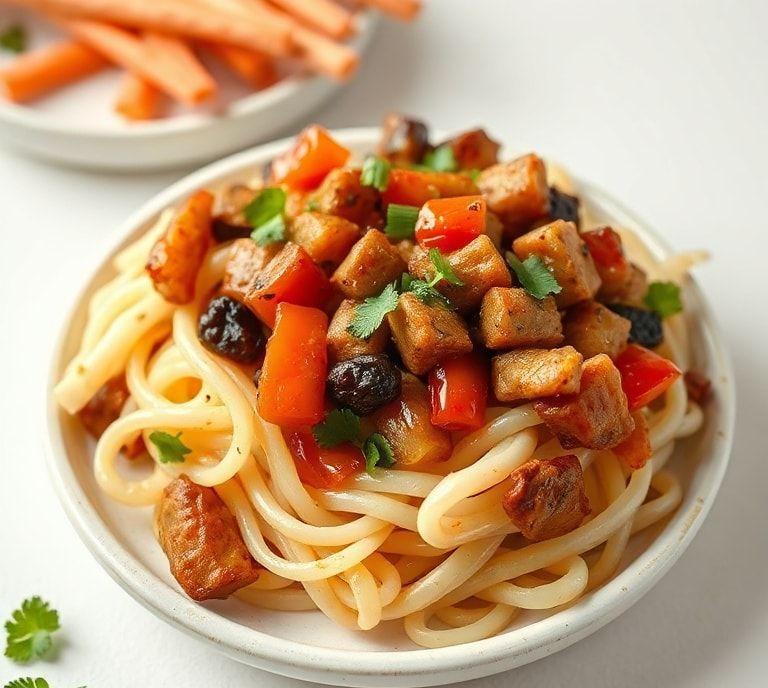
This Korean vegetarian stir-fry is a wonderful balance of texture and flavor, blending sautéed vegetables with tofu, soy sauce, garlic, ginger, and just the right amount of heat from gochujang (Korean chili paste). It’s a dish that packs a punch, but is still light and fresh. Best served with a bowl of steamed rice, it makes for a satisfying meal that will transport you to a warm, bustling Korean kitchen.
Ingredients Needed
- Firm tofu (1 block) – Tofu is a fantastic meat substitute in this dish, offering a hearty texture and taking on the flavors of the seasonings. Pressing the tofu to release excess moisture makes it firmer and less prone to breaking when stir-frying.
- Bell peppers (2, any color) – These add a pop of color and natural sweetness. I like to use red and yellow bell peppers because they brighten up the dish visually and complement the savory notes.
- Carrot (1 medium, julienned) – A simple, crisp crunch that also adds a nice balance to the softer textures of the tofu and peppers.
- Zucchini (1 small, thinly sliced) – Zucchini provides an earthy, refreshing flavor, which absorbs the sauces beautifully.
- Green onion (2 stalks, chopped) – Scallions bring a mild sharpness and freshness to the dish. The green tops add a finishing touch of color.
- Gochujang (1 tbsp) – A fermented Korean chili paste that is simultaneously spicy, umami, and slightly sweet. It’s a must-have in Korean cuisine and adds depth to the stir-fry.
- Soy sauce (2 tbsp) – A staple in Korean cooking, soy sauce gives the dish a salty, savory base.
- Sesame oil (1 tbsp) – A little goes a long way in giving the stir-fry that signature Korean aroma.
- Garlic (3 cloves, minced) – Garlic is always present in Korean cooking, and its pungent yet sweet flavor intensifies when it’s sautéed.
- Fresh ginger (1-inch piece, minced) – Ginger adds a zesty freshness that cuts through the richness of the tofu and enhances the overall flavor.
- Sesame seeds (for garnish) – These little seeds bring a nutty flavor and a satisfying crunch when sprinkled over the finished dish.
- Cooked rice (for serving) – Serve your stir-fry over steamed rice to soak up all those delicious flavors.
Cooking Instructions
- Prepare the Tofu: Start by pressing the tofu to remove any excess moisture. This is important because it helps the tofu crisp up when stir-fried. To do this, wrap the tofu block in a clean kitchen towel, place it on a plate, and set a heavy object (like a pan) on top for about 10-15 minutes. Once pressed, cut the tofu into small cubes.
- Cook the Tofu: Heat a tablespoon of sesame oil in a large pan or wok over medium-high heat. Add the cubed tofu and cook, stirring occasionally, until the tofu is golden brown and crispy on all sides. Remove the tofu from the pan and set it aside.
- Sauté the Vegetables: In the same pan, add a bit more sesame oil, then toss in the garlic, ginger, and white parts of the green onions. Sauté for about 30 seconds until fragrant, being careful not to burn the garlic. Add the bell peppers, zucchini, and carrot. Stir-fry for about 5-7 minutes, or until the vegetables are tender but still have a bit of crunch.
- Combine and Season: Add the cooked tofu back into the pan. Stir in the gochujang and soy sauce, ensuring everything is coated well. Let it cook together for another 2-3 minutes so the flavors meld.
- Final Touches: Sprinkle the sesame seeds and green onion tops over the stir-fry just before serving. Serve hot over a bowl of steamed rice.
Ingredient Science Spotlight
Gochujang: This fermented paste is the soul of many Korean dishes. Made from chili peppers, glutinous rice, fermented soybeans, and salt, gochujang has a complex flavor profile. It brings the heat, sure, but it’s also umami-rich and slightly sweet. The fermentation process not only deepens the flavor but also introduces beneficial probiotics, which are great for gut health. In this dish, it acts as the flavor anchor, binding all the ingredients together in a bold, savory way.
Sesame Oil: This oil is a cornerstone of Korean cooking. It’s not used as a cooking oil per se, but rather as a finishing touch. Its deep, nutty flavor has a distinct aroma that’s hard to replicate with other oils. The oil’s high concentration of unsaturated fats is also considered beneficial for heart health. Plus, it adds richness to the dish, making it feel indulgent without being heavy.
Expert Tips
- Press the tofu properly: Don’t skip pressing the tofu. The texture will be dramatically different-crispier and more satisfying. If you’re short on time, you can buy extra-firm tofu, which needs less pressing.
- Control the heat: Gochujang can vary in spice levels, so start with a tablespoon and taste as you go. You can always add more, but you can’t take it away once it’s in there!
- Add a little sweetness: If you like your stir-fry a bit on the sweeter side, add a teaspoon of sugar or honey to balance out the saltiness of the soy sauce and the heat of the gochujang.
- Don’t overcook the vegetables: One of the joys of this stir-fry is the vibrant, fresh texture of the vegetables. Keep them crisp by not overcooking.
- Pair with kimchi: If you want to bring in an authentic Korean touch, serve your stir-fry with a side of homemade or store-bought kimchi. The tanginess and spiciness complement the mild, savory stir-fry perfectly.
Recipe Variations
- Mushroom Stir-Fry: If you prefer mushrooms to tofu, replace the tofu with shiitake or portobello mushrooms. The mushrooms will absorb the sauce, creating a rich, umami-packed bite.
- Add Nuts: For a little crunch, try adding some roasted peanuts or cashews towards the end of cooking. This adds a different texture and makes the dish even more hearty.
- Swap Vegetables: Don’t hesitate to switch up the veggies based on what you have in your kitchen. You could use spinach, bok choy, or even broccoli. The key is to keep the balance of sweet, savory, and spicy elements.
Final Words
Cooking Korean food at home doesn’t have to be complicated or overwhelming. This vegetarian stir-fry is a great introduction to the flavors of Korean cuisine, combining simple, fresh ingredients with a few key seasonings to create something that’s far greater than the sum of its parts. Each bite offers a perfect balance of textures-crisp vegetables, tender tofu, and that beautiful depth of flavor from the gochujang and sesame oil. Whether you’re looking for a weeknight dinner or something a little more special, this dish has the potential to be a regular in your cooking rotation.
FAQs
What Are Some Common Ingredients In Korean Vegetarian Recipes?
Korean vegetarian recipes typically include ingredients such as tofu, mushrooms, vegetables like napa cabbage, spinach, and bean sprouts, as well as seasonings like soy sauce, sesame oil, garlic, ginger, gochujang (Korean chili paste), and gochugaru (Korean chili flakes). Common dishes may also incorporate grains like rice or noodles, and fermented foods such as kimchi.
Is It Possible To Make Traditional Korean Dishes Vegetarian?
Yes, many traditional Korean dishes can be adapted to be vegetarian. For example, dishes like bibimbap (rice mixed with vegetables), kimchi jjigae (kimchi stew), and banchan (side dishes) can be made without meat. Common substitutions include using plant-based proteins like tofu, tempeh, or seitan in place of animal proteins, and using vegetable broths or mushroom-based sauces to add depth of flavor.
Are Korean Vegetarian Dishes Spicy?
Korean cuisine is known for its bold flavors, and many vegetarian dishes can be spicy due to the use of gochujang (Korean chili paste) or gochugaru (Korean chili flakes). However, not all Korean vegetarian dishes are spicy. Many recipes can be adjusted to suit individual spice tolerance by reducing or omitting these ingredients or by using mild alternatives.