Food has always been a kind of magic for me. The way a simple combination of ingredients can transform into something comforting, vibrant, or even a little nostalgic, is endlessly fascinating. Over the years, I’ve come to realize that cooking doesn’t just feed the body-it feeds the soul. And the magic lies not only in the technique but in the ingredients themselves. One dish that has stuck with me is bucatini-a wonderfully comforting pasta, hearty but with a delicate twist. What makes it even better is that it can be made in a vegetarian style, where fresh vegetables take center stage, letting their natural flavors shine.
So, here’s a recipe for a Bucatini Vegetarian dish that feels both indulgent and nourishing. It’s the kind of recipe I’d cook when I need something satisfying without being heavy. Whether you’re hosting a cozy dinner or just looking for a meal that doesn’t skimp on flavor, this dish is perfect.
Bucatini Vegetarian Recipe
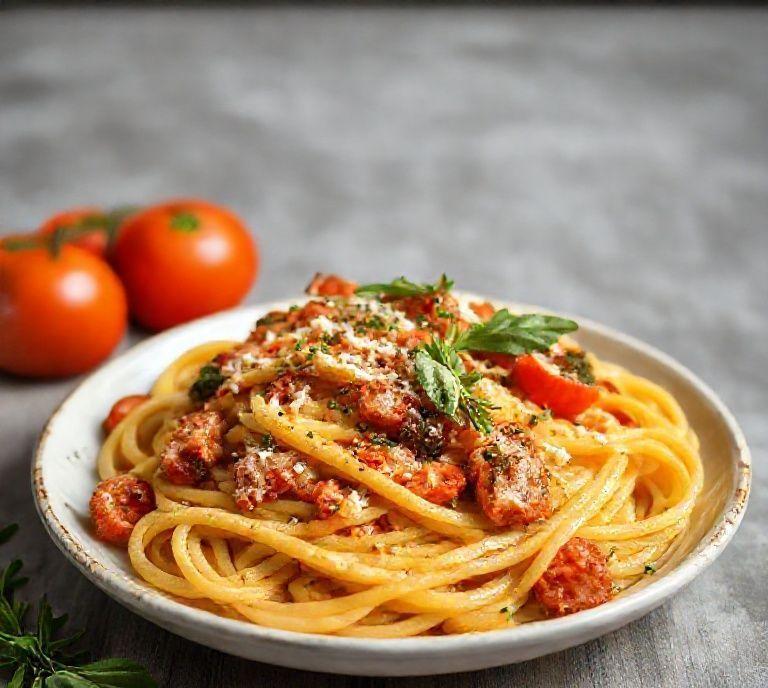
This recipe is all about simplicity and quality ingredients. Bucatini, if you’re unfamiliar, is like spaghetti’s bigger cousin. It’s thick, slightly chewy, and has a hollow center that soaks up sauces in a way other pastas just can’t. That hollow core? It’s basically a pasta sponge, and when paired with rich, savory vegetables, it creates a perfect balance of texture and flavor. The vegetables provide depth, and the pasta gives that satisfying heartiness we all crave.
What I love about this dish is how easily you can adapt it to suit different seasons. Fresh tomatoes and zucchini in summer, roasted squash and mushrooms in the fall-you can almost play it like a blank canvas. And the best part? It’s just as delicious the next day, which makes it perfect for meal prep.
Ingredients Needed
The beauty of this recipe is how few ingredients you need. It’s all about letting the natural flavors shine through, so while the list is simple, every item plays an important role. Here’s what you’ll need:
- Bucatini: 400g (about 14 oz)
- Olive oil: 3 tbsp (extra virgin, of course)
- Garlic: 3 cloves, thinly sliced
- Zucchini: 2 medium, sliced into half-moons
- Cherry tomatoes: 1 pint, halved
- Spinach: 4 cups (fresh)
- Fresh basil: A handful, roughly torn
- Parmesan cheese: ½ cup, grated (or a vegetarian alternative if you prefer)
- Red pepper flakes: ½ tsp (optional, for a little kick)
- Salt and pepper: To taste
- Lemon zest: 1 tsp (this adds a refreshing brightness)
I often use fresh spinach because it wilts beautifully into the sauce, but if you’re craving something with more bite, you can swap it out for kale or Swiss chard.
Cooking Instructions
Cooking this dish is almost like a mini performance-you toss the ingredients into a hot pan and let them come together in a dance of sizzling, softening, and blending. Here’s how to do it:
- Start with the pasta. Bring a large pot of salted water to a boil, and cook the bucatini according to the package instructions. When it’s done, make sure to save about a cup of pasta water before draining. Trust me, you’ll want this liquid-it’s liquid gold for helping your sauce come together.
- Prep the veggies. While the pasta is cooking, heat the olive oil in a large skillet over medium heat. Add the sliced garlic and cook until it becomes fragrant and golden, about 1-2 minutes. This is when your kitchen starts to smell like a restaurant, and you’ll wish you could bottle that aroma.
- Cook the zucchini. Add the zucchini to the pan and sauté it until it softens, about 4-5 minutes. Season with a pinch of salt and pepper to draw out the moisture.
- Tomatoes join the party. Toss in the cherry tomatoes and let them cook down, releasing their juices and creating a juicy, slightly tangy sauce that’ll cling to the pasta later.
- Add the spinach and basil. Now, this is the moment where everything starts to meld together. Add the spinach and let it wilt down, stirring it into the other ingredients. Throw in the fresh basil and red pepper flakes (if you want a bit of heat), and give everything a good stir.
- Combine the pasta and sauce. Add the cooked bucatini to the skillet, and use tongs to toss everything together. If it feels a bit dry, pour in some reserved pasta water-just a bit at a time-until the sauce reaches the desired consistency. Taste, adjust seasoning, and finish with a generous sprinkle of Parmesan and lemon zest.
Ingredient Science Spotlight
One of the things I love most about this recipe is the way it showcases the beauty of each ingredient. Take the zucchini, for instance. It’s such a versatile vegetable-mild in flavor, yet capable of absorbing all the savory goodness you throw at it. When you sauté zucchini, its moisture cooks off, leaving behind a tender bite that feels like it’s part of the sauce. Meanwhile, the tomatoes release natural sugars and acids, giving you a depth of flavor without needing extra seasonings.
The spinach is a little powerhouse too-loaded with vitamins and antioxidants. It wilts down quickly, which means you can pack in a lot of it without overwhelming the dish. The subtlety of spinach in a pasta dish is underrated; it doesn’t take over the flavor, but it adds that earthy balance that makes the entire dish taste richer and more complex.
And of course, the bucatini-the pasta itself-makes everything come together. Its hollow center not only makes each bite more satisfying, but it also ensures that the sauce clings beautifully to the pasta.
Expert Tips
- Don’t skip the pasta water: It’s a game-changer. The starches in the water help thicken the sauce and bind it to the pasta, making the whole dish feel cohesive.
- Add some roasted garlic: If you love garlic, consider roasting a few cloves and adding them to the dish for a sweeter, more mellow garlic flavor.
- Toast your pasta: Before boiling the bucatini, try toasting it in a dry pan for a few minutes. This adds a slightly nutty flavor to the pasta and brings out a unique depth that’s often overlooked.
- Season well: Pasta needs a lot of salt-don’t be afraid to add a generous pinch at different stages. Taste as you go to avoid a bland dish.
Recipe Variations
This dish is like a chameleon-it can shift and adapt to whatever you have on hand or whatever flavors you’re in the mood for. Here are a few fun variations:
- Mushroom Magic: Swap the zucchini for sautéed mushrooms, which bring a savory umami kick to the dish. Mushrooms and bucatini are a match made in heaven.
- Peas & Pesto: Add frozen peas and a dollop of basil pesto at the end for a bright, herby twist.
- Roasted Veggie Overload: Roast a mix of carrots, eggplant, and bell peppers, then toss them into the pasta for a heartier, roasted flavor.
- Lemon Ricotta: For extra creaminess, finish the dish with a spoonful of ricotta cheese or a drizzle of cream. The lemon zest will still work beautifully here, cutting through the richness.
Final Words
I have to say, every time I make this dish, it’s a reminder of why I love cooking so much. There’s something so satisfying about the simplicity of it. It’s not just a meal; it’s a celebration of ingredients coming together in harmony. Whether you’re a seasoned cook or someone just trying to get a quick dinner on the table, this dish offers something for everyone.
FAQs
What Is A Traditional Vegetarian Sauce For Bucatini?
A traditional vegetarian sauce for bucatini often includes a tomato-based sauce, garlic, olive oil, and fresh basil. You can also add roasted vegetables like eggplant, zucchini, or mushrooms for added flavor. A simple pomodoro or marinara sauce is commonly paired with bucatini for a classic vegetarian option.
Can I Make A Creamy Vegetarian Sauce For Bucatini?
Yes, you can make a creamy vegetarian sauce by using ingredients like ricotta, mascarpone, or a plant-based cream. A ricotta and lemon sauce, for example, adds a creamy texture and a fresh, zesty flavor that complements bucatini. To enhance the creaminess, consider adding sautéed spinach or mushrooms for extra depth.
What Vegetables Pair Well With Bucatini In A Vegetarian Recipe?
Bucatini pairs well with a variety of vegetables, such as cherry tomatoes, zucchini, eggplant, spinach, and bell peppers. Mushrooms, especially cremini or portobello, are a popular choice for adding umami to vegetarian dishes. Roasted vegetables or grilled vegetables can also bring out a smoky flavor that works beautifully with the pasta.