The world of food is vast, full of flavors, textures, and memories tied to every meal. If you’re anything like me, food isn’t just about nutrition; it’s an experience. The preparation, the smells filling the kitchen, and finally, the satisfaction of sitting down to eat-these moments matter. I’ve always been drawn to meals that bring warmth and comfort, and nothing hits that spot quite like a good vegetarian Indian dish.
Indian cuisine, with its rich history and endless variety of spices, offers a perfect canvas for creativity. Whether you’re a long-time vegetarian or simply looking to cut back on meat, Indian food is a treasure trove of vibrant, hearty meals that don’t leave you missing the meat. This recipe I’m about to share is one of my personal favorites: a vegetarian Indian dish that’s flavorful, satisfying, and will definitely make you feel like you’ve just sat down to a feast.
So, if you’re ready to dive into the world of spices and flavors, let’s get started.
Dinner Vegetarian Indian Recipe
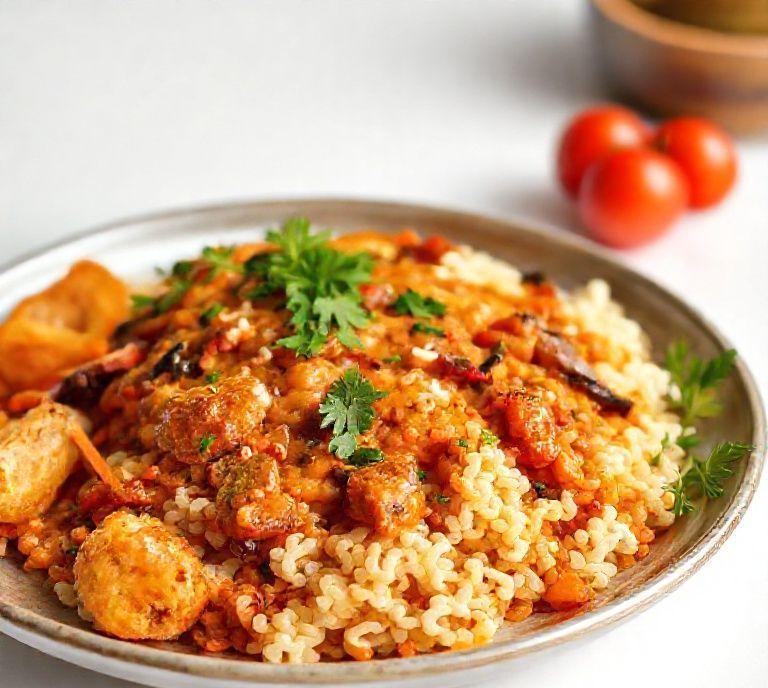
Let’s talk about a classic vegetarian dish that’s also incredibly versatile-Aloo Gobi. It’s a popular North Indian recipe made with potatoes (aloo) and cauliflower (gobi), and it’s cooked with a medley of spices that bring out its deep flavors. I first came across this dish at a cozy little Indian restaurant when I was in college, and ever since then, it’s become a staple in my kitchen. It’s incredibly easy to prepare, yet so satisfying. Trust me, it’s one of those dishes where you just can’t stop eating!
Ingredients Needed
Before we dive into the cooking, let’s gather what we’ll need.
- 2 medium potatoes (peeled and diced)
- 1 medium cauliflower (cut into florets)
- 2 tablespoons vegetable oil
- 1 large onion (finely chopped)
- 2 tomatoes (diced)
- 3 garlic cloves (minced)
- 1-inch piece of ginger (grated)
- 1-2 green chilies (slit, optional for heat)
- 1 teaspoon cumin seeds
- 1 teaspoon turmeric powder
- 1 teaspoon garam masala
- 1 teaspoon coriander powder
- 1 teaspoon ground cumin
- Salt to taste
- Fresh cilantro (chopped, for garnish)
- Lemon wedges (for serving)
I’ll tell you, this list might seem a bit long at first glance, but once you have these spices in your pantry, they’ll quickly become your best friends. And let me tell you, the scent of cumin seeds crackling in oil? That’s one of my favorite things in the world.
Cooking Instructions
Alright, now that we have everything lined up, let’s get cooking.
- Prepare your vegetables: Start by peeling and dicing the potatoes into bite-sized pieces. Cut the cauliflower into small florets. The trick here is to keep the pieces relatively uniform so that they cook evenly. If the cauliflower is too big, it won’t cook as well, and you’ll have some parts soft while others are still crunchy.
- Heat the oil: In a large pan or skillet, heat the vegetable oil over medium heat. Once it’s hot, toss in the cumin seeds. You’ll know they’re ready when they start to sizzle and pop-this brings out their deep, nutty flavor.
- Sauté the aromatics: Add the chopped onions to the pan and sauté them until they turn golden brown. This step is crucial because the caramelized onions bring a subtle sweetness to the dish that balances out the spices. Once they’re golden, add the ginger, garlic, and green chilies. Let that sauté for about a minute until your kitchen starts to smell heavenly.
- Add the tomatoes and spices: Now, toss in the diced tomatoes, turmeric, coriander, ground cumin, and salt. Stir everything together, letting the tomatoes soften and break down. If the mixture starts to look too dry, you can add a splash of water to help the tomatoes release their juices. This will form the base of your curry sauce.
- Cook the potatoes and cauliflower: Add the diced potatoes and cauliflower florets to the pan. Stir to coat everything in the spiced tomato mixture. Cover the pan with a lid and let it cook for about 10 minutes, stirring occasionally. You want the potatoes to soften and the cauliflower to cook through, but you don’t want it mushy. If the vegetables seem to be sticking, just add a little water.
- Finish with garam masala and cilantro: Once the potatoes are tender and the cauliflower has absorbed the spices, sprinkle in the garam masala and give everything a final stir. Let it cook for another 2-3 minutes. Garnish with fresh cilantro, and you’re done!
- Serve: Serve your Aloo Gobi with warm naan or steamed basmati rice, and squeeze a little lemon juice over the top for a burst of freshness.
Ingredient Science Spotlight
You might be thinking, ’What”s so special about potatoes and cauliflower”? Well, there’s more going on with these humble vegetables than meets the eye.
- Potatoes are often overlooked as a simple, starchy filler, but they are an excellent source of carbohydrates that provide long-lasting energy. When cooked with the spices in this dish, they take on a unique texture and flavor that’s comforting and filling. The starch also helps thicken the sauce, giving it a luscious, satisfying texture.
- Cauliflower is packed with nutrients, including vitamins C and K, and is high in fiber. Its mild flavor makes it a great vehicle for the rich, bold spices of Indian cuisine. The cauliflower soaks up all the flavors from the turmeric, cumin, and garam masala, creating a dish that’s not just tasty but healthy, too.
- Turmeric, often hailed as a superfood, is loaded with curcumin, a compound known for its anti-inflammatory properties. It adds that brilliant golden hue to the dish and brings warmth and depth to the flavor.
Expert Tips
- Don’t rush the cooking of the onions: Let them caramelize slowly to bring out their natural sweetness. This will add a layer of complexity to your dish.
- Spice balance: If you’re not a fan of heat, start with just one green chili, or leave it out altogether. But if you like a bit of spice, feel free to add more! You can also adjust the amount of garam masala based on your taste.
- Make it saucy: If you prefer a bit more sauce to your Aloo Gobi, add a little coconut milk or crushed tomatoes towards the end of cooking. It’ll make the dish richer and smoother.
- Don’t forget the lemon: A squeeze of fresh lemon at the end cuts through the richness and gives the dish a nice bright finish. It’s a game-changer.
Recipe Variations
- Add peas: If you want to add a pop of color and sweetness, throw in some frozen peas during the last few minutes of cooking. They’ll cook quickly and blend perfectly with the other veggies.
- Add paneer: If you’re craving some extra protein, add cubes of paneer (Indian cottage cheese) at the end and let them warm through. It adds richness and texture to the dish.
- Use other vegetables: Feel free to swap the cauliflower with other vegetables like zucchini, carrots, or even sweet potatoes. The recipe is flexible and can be adapted based on what you have on hand.
- Spicy Aloo Gobi: For a deeper, more intense spice profile, add a pinch of red chili powder or a splash of Kashmiri chili paste.
Final Words
Cooking, to me, is more than just following a recipe-it’s about creating something that feels like home. Aloo Gobi does that for me. It’s warm, flavorful, and comforting, with just the right balance of spice and heartiness. Plus, it’s vegetarian, making it a great option for a meatless dinner that’s still satisfying.
Whether you’re making it for yourself or sharing it with loved ones, this dish is bound to impress. It’s a reminder of how simple ingredients, when paired thoughtfully, can create something extraordinary.
FAQs
What Are Some Popular Vegetarian Indian Dinner Recipes?
Some popular vegetarian Indian dinner recipes include dishes like Paneer Butter Masala, Vegetable Biryani, Chole (Chickpea curry), Aloo Gobi (Potato and Cauliflower curry), Baingan Bharta (Roasted Eggplant curry), and Palak Paneer (Spinach and Paneer curry). These recipes offer rich flavors and are commonly enjoyed with Indian bread like naan, roti, or rice.
How Do I Make A Simple And Quick Vegetarian Indian Dinner?
A quick and simple vegetarian Indian dinner can include recipes like Aloo Paratha (Potato-stuffed flatbread) served with yogurt and pickle, or a Vegetable Stir-Fry with basmati rice. To prepare, you can sauté mixed vegetables (like peas, carrots, and beans) in a blend of Indian spices like cumin, coriander, turmeric, and garam masala, then pair with flatbread or rice.
Are There Any Healthy Vegetarian Indian Dinner Options?
Yes, there are many healthy vegetarian Indian dinner options. For example, a Vegetable Khichdi (a rice and lentil dish) is nutritious and light. Other healthy options include Moong Dal (yellow lentils), Tofu Curry, and a variety of vegetable-based curries made with low-oil or no-oil methods. Pairing these dishes with whole wheat roti or brown rice enhances the nutritional value of the meal.