If there’s one dish that encapsulates the magic of comfort food with a side of culinary adventure, it’s jajangmyeon. This Korean noodle dish, known for its rich black bean paste sauce, has earned a spot in the hearts of millions worldwide. Whether you’ve had it at a bustling Korean restaurant or ordered it from a nearby takeaway, there’s something about the deep, savory flavor of the sauce that makes it utterly irresistible. But what if you could make a version that’s just as satisfying, but plant-based? That’s where the vegetarian jajangmyeon comes in-a version that brings the same hearty comfort but without the meat. Let me take you through a journey of creating this delicious dish from scratch, share a few kitchen secrets along the way, and guide you in turning your kitchen into a cozy noodle house.
Jajangmyeon Vegetarian Recipe
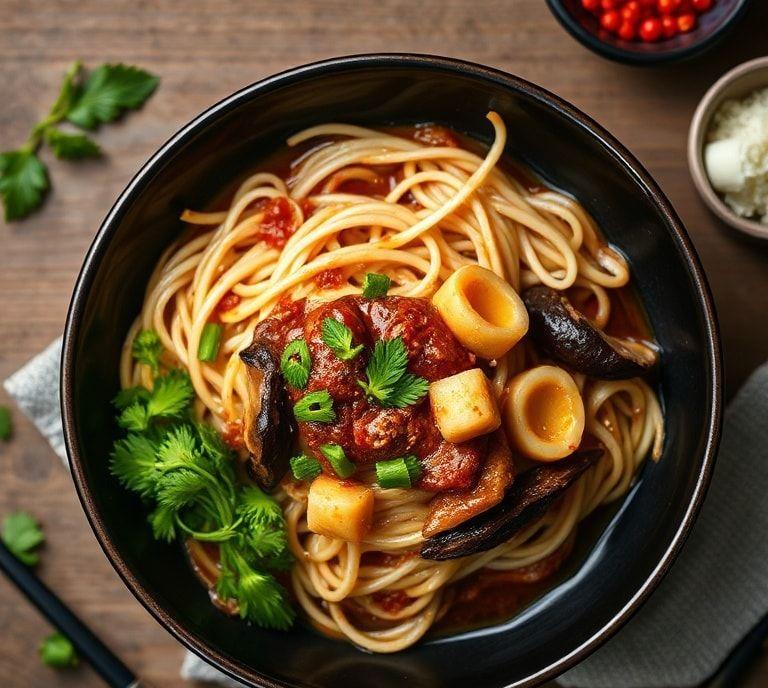
I remember the first time I stumbled upon vegetarian jajangmyeon. It wasn’t in a fancy restaurant or during a cooking class, but rather in the quietest corner of a bustling Asian market, where a small stall had jars of black bean paste stacked high. The idea was simple: could I take something as soul-satisfying as jajangmyeon and recreate it without using the usual pork or beef that dominates many traditional recipes? The answer turned out to be a resounding “yes”. And not only was it possible, but it was also wonderfully satisfying.
The beauty of this recipe lies in its balance: hearty vegetables, chewy noodles, and a velvety sauce that hits all the right notes. The combination of umami-rich black bean paste with the crispy vegetables makes each bite something to look forward to.
Ingredients Needed
You won’t need anything too exotic for this recipe, but there are a few key ingredients that will bring the authentic flavors to life.
Jajang Paste (Chunjang)
This is the backbone of jajangmyeon’s flavor. Made from fermented soybeans, wheat flour, and caramel, it’s deeply savory with a slight bitterness. It’s important to find the right kind-some versions are sweeter than others, so choose based on your taste preferences.
Vegetables
While traditional jajangmyeon often features pork, this vegetarian version shines with a combination of vegetables. I use zucchini, onion, and potatoes to mimic the heartiness of the original meat version. They absorb the sauce beautifully and provide a great texture contrast with the noodles.
Tofu
For the protein component, firm tofu is a perfect stand-in. It soaks up the flavors of the sauce and gives the dish a satisfying, meat-like bite.
Soy Sauce
A splash of soy sauce deepens the savory umami of the dish and balances the sweetness of the black bean paste.
Sugar
Just a teaspoon or two will balance the bitterness of the black bean paste and enhance the sauce’s complexity.
Sesame Oil
This aromatic oil adds a lovely, nutty finish to the sauce. It’s a must-have for that authentic taste.
Noodles
Traditional jajangmyeon is made with wheat noodles, which are thick, chewy, and perfect for holding onto the sauce. You can find these noodles in most Asian markets or use a similar type of udon noodle as a substitute.
Water
To help create the sauce base. You’ll want to add enough to bring everything together into a rich, glossy texture.
Cooking Instructions
Now that you’ve gathered your ingredients, it’s time to cook. This part is simple, but the key is in how you balance the flavors as you go. Here’s how to pull it all together.
-
Prepare The Vegetables
Start by chopping your vegetables into small, bite-sized pieces. The potatoes should be diced into small cubes so they cook quickly, and the zucchini and onions should be sliced thinly for even cooking. Drain and press your tofu to remove excess moisture, then cut it into cubes.
-
Cook The Noodles
Boil the noodles according to the package instructions, usually around 4-5 minutes until they’re tender but still firm to the bite. Once cooked, drain them and set them aside. Keep them warm by tossing them with a tiny bit of sesame oil.
-
Sauté The Vegetables And Tofu
In a large pan or wok, heat up a tablespoon of vegetable oil over medium heat. Add your tofu cubes and sauté until they’re golden and crispy. Remove them from the pan and set them aside. In the same pan, add the onions and cook until they soften and become translucent. Then add the potatoes and zucchini, cooking them until they just begin to soften-around 5 minutes.
-
Make The Sauce
Push the vegetables to the side of the pan and add the black bean paste to the empty space. Let it cook for a minute to release its aromas, then add the soy sauce, sugar, and water. Stir everything to combine and let it simmer for about 10-15 minutes, until the potatoes are tender and the sauce has thickened.
-
Combine Everything
Once the sauce is ready, add the tofu back into the pan. Stir everything together until the tofu and vegetables are well coated. If the sauce seems too thick, you can add a splash of water to reach your desired consistency.
-
Serve
Divide the cooked noodles into bowls and ladle the vegetable-filled sauce over the top. Garnish with a drizzle of sesame oil and a sprinkle of sesame seeds for extra flavor.
Ingredient Science Spotlight
One of the most interesting elements of this dish is the black bean paste, or chunjang. The fermentation process of the beans not only breaks them down into simpler sugars and amino acids but also creates a deep umami flavor that’s similar to the savory richness of miso. It’s this complexity that gives jajangmyeon its signature taste. When paired with vegetables, the paste’s slight bitterness contrasts beautifully with the sweetness of onions and the creamy texture of tofu. Plus, the natural starches in potatoes and zucchini help thicken the sauce, creating that luscious, velvety consistency.
Tofu, too, is an ingredient worth noting. While it might seem plain, tofu is incredibly versatile. It soaks up the flavors of whatever you cook it with, acting as a perfect sponge for the black bean paste’s rich sauce. The firm tofu here provides structure and body, mimicking the hearty bite of traditional meat.
Expert Tips
- Don’t Skip the Sesame Oil: It’s the finishing touch that gives this dish its signature fragrance. Just a teaspoon drizzled over the top makes all the difference.
- Tofu Texture Matters: For the best tofu texture, press it well before cooking to get rid of excess water. This way, it’ll crisp up beautifully when sautéed and soak up more of the sauce.
- Control the Salt: Soy sauce and black bean paste both bring saltiness to the table, so taste your sauce before adding extra salt.
- Customize the Veggies: You can switch out the vegetables based on what’s in season or your personal preferences. Mushrooms, carrots, or even bell peppers work wonderfully too.
Recipe Variations
If you’re feeling adventurous or want to tailor this dish to your tastes, here are a few variations to consider:
- Spicy Jajangmyeon: Add a tablespoon of gochujang (Korean chili paste) or a sprinkle of chili flakes to bring some heat to the sauce.
- Mushroom Medley: Instead of the tofu, use a mix of mushrooms like shiitake or oyster mushrooms to give the dish a more earthy flavor.
- Sweet Potato Version: Swap out the regular potato for sweet potato for a naturally sweet twist that pairs well with the savory black bean sauce.
- Gluten-Free Option: Use gluten-free noodles or even zucchini noodles (zoodles) to make this dish completely gluten-free.
Final Words
Making vegetarian jajangmyeon is more than just about substituting meat-it’s about creating a dish that’s rich, comforting, and full of flavor. Each ingredient serves a purpose, and the beauty lies in how they all come together in perfect harmony. Plus, with a little practice, you’ll be able to make this recipe your own, tailoring it to fit your taste buds and dietary needs.
FAQs
What Ingredients Are Needed To Make A Vegetarian Version Of Jajangmyeon?
To make vegetarian jajangmyeon, you typically need noodles (preferably wheat noodles), vegetable oil, diced onions, zucchini, cabbage, mushrooms, and optionally other vegetables like carrots or peas. The key flavor comes from chunjang (Korean black bean paste), which should be checked to ensure it contains no animal-derived ingredients. Cornstarch or potato starch is often used to thicken the sauce, and water or vegetable broth serves as the base. Some recipes may include tofu or tempeh as a protein substitute.
How Can I Make The Sauce For Vegetarian Jajangmyeon Rich And Flavorful?
The richness of the sauce comes from properly sautéing the vegetables with chunjang to enhance its roasted, savory taste. Start by stir-frying the paste in oil for 1-2 minutes before adding vegetables. Use vegetable broth instead of water to add depth, and season with soy sauce, sugar, and optionally a splash of sesame oil for aroma. Cornstarch mixed with water helps achieve the thick, glossy texture characteristic of jajangmyeon sauce. Adjust the seasoning gradually to balance sweetness and saltiness.
Can I Make Vegetarian Jajangmyeon Gluten-free?
Yes, you can make vegetarian jajangmyeon gluten-free by choosing rice noodles or other gluten-free noodles instead of traditional wheat noodles. Additionally, ensure that the chunjang (black bean paste) you use is labeled gluten-free, as some varieties contain wheat. Soy sauce should be replaced with tamari or a gluten-free alternative. The rest of the recipe, including vegetables and starch-thickened sauce, is naturally gluten-free, making it easy to adapt for a gluten-sensitive diet.