Mushroom pasta has this incredible ability to be both comforting and sophisticated, like the dish you crave on a rainy afternoon but could also serve at a dinner party. It’s a wonderful balance of earthy flavors from the mushrooms, creamy richness from the sauce, and a touch of garlic and herbs that somehow feels both homey and refined. If you’ve ever wandered into a kitchen with just a handful of ingredients and wondered what you could make out of a pile of mushrooms and pasta, then you’re in for a treat. This dish is the answer to that quiet, almost secret craving for something hearty, satisfying, and nourishing-but without all the fuss.
I’ll take you through the recipe, step by step, with some insights into the ingredients and tips to make it even better. By the end, you’ll have a go-to recipe for any occasion, whether it’s a solo dinner or a gathering with friends. I’m all about dishes that feel special without demanding hours of effort, and this mushroom pasta does just that. Let’s dive in.
Mushroom Pasta Vegetarian Recipe
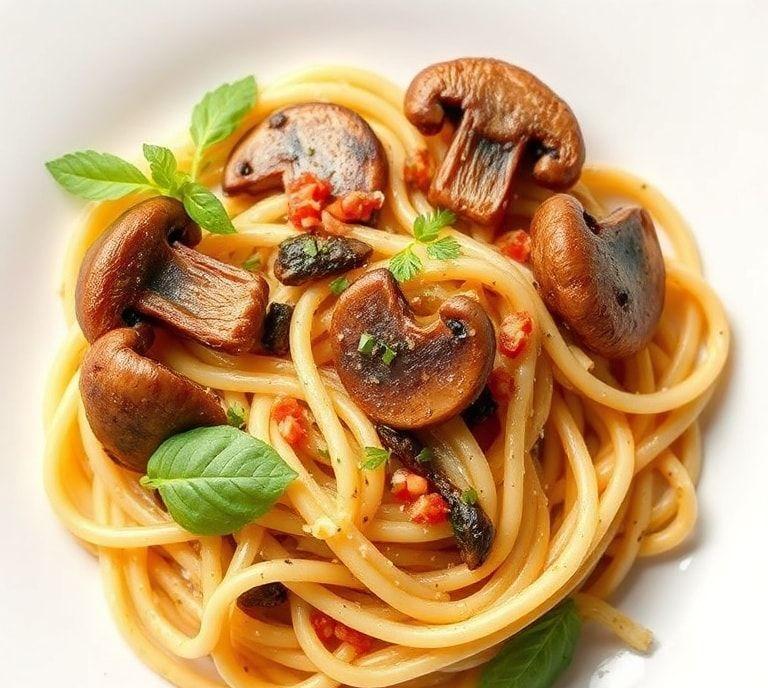
This is one of those dishes that you can really make your own with just a few tweaks. You might have your favorite type of pasta, your preferred mushrooms, or maybe you want to add a bit of spice to it. Either way, this recipe works, and it works beautifully. It’s a versatile, satisfying meal that uses simple ingredients to create something flavorful and comforting.
Ingredients Needed
- Pasta: Any pasta you love works here-linguine, spaghetti, penne, even farfalle (bow-tie pasta) if you want to add a little whimsy to the plate. I usually go with something long and thin, like spaghetti or fettuccine, to let the sauce cling to the strands. It just feels more indulgent.
- Mushrooms: You can’t go wrong with cremini mushrooms, but if you have access to some wild varieties like shiitake, oyster, or chanterelle, they can elevate the dish even more. I tend to choose a mix of mushrooms for a depth of flavor, but cremini (or baby bellas) are always a solid choice.
- Garlic: Fresh garlic adds that essential aroma and flavor to the sauce. I’d say don’t skimp on the garlic-add a little more than you think you need. Trust me, you’ll be happy you did.
- Olive Oil: A good olive oil is key here. I use it to sauté the mushrooms, which adds a rich, slightly fruity undertone. You can also use butter if you prefer a creamier, more decadent base for the sauce.
- Vegetable Broth: This is the heart of the sauce, adding depth without overwhelming the mushrooms’ natural flavors. I always go for low-sodium broth, so I can control the seasoning.
- Heavy Cream or Plant-Based Cream: A little creaminess goes a long way. This adds body to the sauce and makes the dish feel like an indulgence. You can swap this out for coconut cream or a cashew cream if you’re going for a dairy-free version.
- Parmesan (or Vegan Parmesan): If you’re not vegan, a good dusting of freshly grated Parmesan adds the final touch, giving the dish an extra hit of umami. You can also try a vegan version if you prefer.
Cooking Instructions
- Cook the pasta: Start by boiling a large pot of salted water. Once it’s at a rolling boil, add your pasta and cook until al dente-about a minute less than the package instructions. Reserve about a cup of pasta water before draining, as you can use it to adjust the sauce later.
- Sauté the garlic: While the pasta is cooking, heat a few tablespoons of olive oil in a large skillet over medium heat. Add your sliced garlic and sauté for about 1 minute, or until fragrant. Be careful not to burn it, as garlic can turn bitter when overcooked.
- Cook the mushrooms: Add the mushrooms to the pan with the garlic. Let them cook, stirring occasionally, for about 5-7 minutes, or until they release their moisture and start to brown. Don’t overcrowd the pan, as this will prevent them from caramelizing properly.
- Add the broth and simmer: Pour in your vegetable broth, stirring to combine. Let the mixture simmer for 5 minutes, allowing the flavors to meld and the sauce to thicken a bit.
- Make the sauce creamy: Lower the heat and stir in the cream. Let the sauce simmer for another 3-5 minutes, until it thickens to your desired consistency. If it gets too thick, just add a splash of pasta water to loosen it up.
- Toss the pasta: Add your cooked pasta directly into the skillet, tossing it to coat in the mushroom cream sauce. If you need more sauce, add some of that reserved pasta water. Taste for seasoning, and add salt and pepper as needed.
- Serve: Plate the pasta and top with freshly grated Parmesan (or vegan cheese) and a sprinkle of fresh herbs. A bit of cracked black pepper on top is always a nice touch.
Ingredient Science Spotlight
Let’s talk about mushrooms for a second, because they’re truly the star of the show here. Mushrooms contain natural umami, which is the savory, almost meaty flavor that you often find in things like soy sauce or parmesan cheese. This is thanks to the amino acid glutamate, which is present in varying levels in different mushrooms. When you cook them, the umami gets more intense, which is why mushrooms pair so beautifully with pasta-they bring this deep, earthy richness that enhances the overall dish.
The reason we add the cream is to balance out the umami with something a bit more mellow and rich. The fat in the cream helps round out the flavor and carries the mushrooms’ natural sweetness. The fat also helps your body absorb the fat-soluble vitamins in mushrooms, like Vitamin D. The olive oil is another fat that aids in the absorption of nutrients while enhancing the overall mouthfeel of the sauce.
Expert Tips
- Don’t overcrowd the pan when cooking the mushrooms: If you add too many mushrooms to the pan at once, they’ll steam rather than sauté. Give them room to breathe. It’s all about getting that golden, crispy edge on each piece for the best flavor.
- Season in layers: When cooking, season a little bit at each step. A pinch of salt with the garlic, a dash with the mushrooms, and a final taste at the end make a huge difference in depth of flavor.
- Use fresh herbs: Fresh thyme, rosemary, or parsley can really elevate this dish. Add the herbs toward the end of cooking to preserve their fresh, vibrant flavors. If you don’t have fresh, dried herbs work fine, but just use less (about a third of what you would use for fresh).
- Add a squeeze of lemon: A small squeeze of lemon juice at the end brightens up the dish and cuts through the creaminess. It’s subtle but makes a big difference.
Recipe Variations
- For a richer flavor: Add a splash of white wine to the mushrooms after they’ve sautéed. Let it reduce before adding the broth.
- Add greens: Wilt in some spinach, arugula, or kale for a pop of color and a bit of extra nutrition.
- Make it spicy: Add a pinch of red pepper flakes to the garlic and oil to add a little heat to the dish.
- Swap the pasta: For a lighter version, use zucchini noodles or spaghetti squash instead of regular pasta.
Final Words
This mushroom pasta is one of those dishes that feels like a warm hug-satisfying but never too heavy, with layers of flavor that evolve with each bite. It’s simple enough for a weeknight dinner but fancy enough to impress guests. The mushrooms bring the richness, the garlic and cream bring warmth, and the pasta ties it all together in the most comforting way.
It’s a dish that leaves room for creativity, so feel free to experiment with different types of mushrooms or even a little squeeze of truffle oil if you’re feeling fancy. It’s the kind of recipe that evolves with you over time, and every variation feels like a little personal touch added to a meal made with love.
FAQs
What Types Of Mushrooms Are Best For Making Vegetarian Mushroom Pasta?
For a vegetarian mushroom pasta, it’s best to use a variety of mushrooms that offer both flavor and texture. Commonly used mushrooms include cremini, white button, portobello, and shiitake. Cremini and portobello mushrooms have a rich, earthy flavor, while shiitake mushrooms bring a slightly smoky taste. A mix of these mushrooms creates a depth of flavor and provides an interesting texture in the pasta dish.
Can I Make A Creamy Mushroom Pasta Without Dairy?
Yes, you can make a creamy mushroom pasta without dairy by using plant-based alternatives. A great option is to use coconut milk, cashew cream, or almond milk to create a rich, creamy sauce. Blended cashews, in particular, create a smooth, velvety texture. You can also incorporate nutritional yeast to add a cheesy, umami flavor without dairy.
What Seasonings Work Best With Vegetarian Mushroom Pasta?
To enhance the flavor of your vegetarian mushroom pasta, consider using a combination of garlic, thyme, rosemary, and oregano. These herbs complement the earthy taste of mushrooms. Adding a bit of white wine or vegetable broth during cooking can deepen the flavor. For a touch of heat, a pinch of red pepper flakes can be included. Freshly ground black pepper and a squeeze of lemon juice can also add brightness and balance to the dish.