There’s something incredibly comforting about a slice of moist, buttery cake, especially when it’s fresh out of the oven, paired with a hot cup of tea or coffee. But what if you could enjoy that same indulgence without any eggs or dairy? Enter the vegetarian pound cake. A classic favorite, the pound cake is traditionally made with equal parts butter, sugar, eggs, and flour, but there’s plenty of room to play around, even with the most basic ingredients. Making a vegetarian pound cake isn’t just about swapping out butter and eggs-it’s about finding balance and flavor. If you’re looking to make a cake that’s rich, velvety, and every bit as satisfying as its traditional counterpart, you’ve come to the right place.
I remember the first time I decided to bake a vegetarian pound cake. I had a group of friends coming over for a little catch-up session, and I wanted to impress them with something a little unexpected. The first bite of that fluffy, perfectly sweetened cake made me realize just how well the simplest of ingredients could come together, even without the usual animal products. Since then, I’ve made this version countless times, tweaking it each time and discovering new ways to make it better. And now, I want to share that experience with you.
Vegetarian Pound Cake Recipe
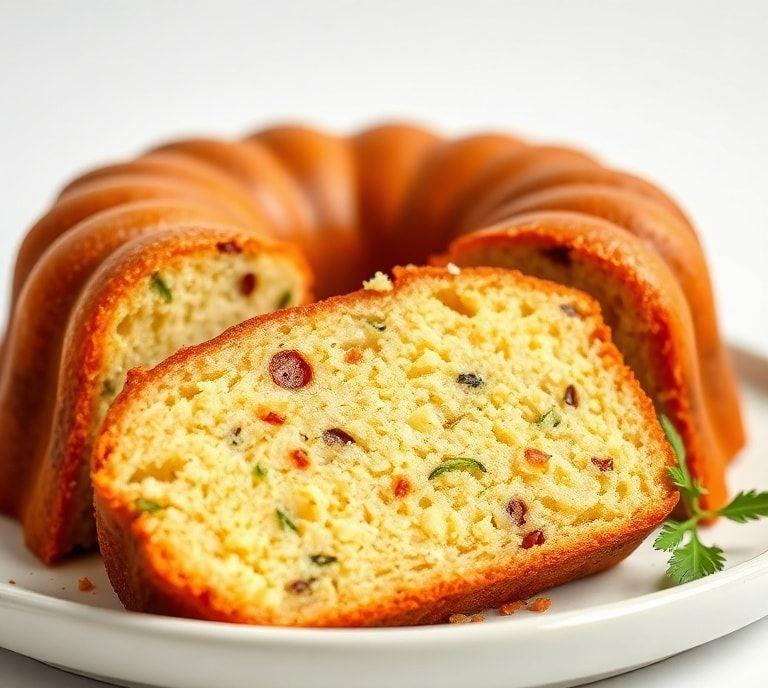
A vegetarian pound cake recipe might sound a bit daunting at first, especially if you’ve never baked without eggs or dairy before. But I promise you, once you get the hang of it, it’s just as simple as the traditional method. The key is to find substitutes that replicate the richness of butter and eggs, but in a way that still delivers the flavor and texture we all crave.
Here’s a recipe that’s been a huge hit in my kitchen and among my friends. It’s easy to make, and the results are always incredibly satisfying. So, grab your apron, preheat the oven, and let’s get started.
Ingredients Needed
- 1 ½ cups of all-purpose flour
- 1 cup sugar (you can use coconut sugar for a more natural sweetness)
- 1 tsp baking powder
- ½ tsp baking soda
- ½ tsp salt
- 1 cup unsweetened applesauce (this replaces the eggs)
- ½ cup coconut oil or vegan butter (melted)
- 1 tsp vanilla extract
- 1 tbsp lemon zest (optional, but adds a nice freshness)
- 1 tbsp almond milk (or any plant-based milk of your choice)
Cooking Instructions
- Preheat your oven to 350°F (175°C). Grease a loaf pan (about 9×5 inches) and line the bottom with parchment paper. This helps the cake come out easily after baking.
- In a medium-sized bowl, whisk together the flour, sugar, baking powder, baking soda, and salt.
- In another bowl, mix the applesauce, melted coconut oil or vegan butter, vanilla extract, and lemon zest if you’re using it. Stir in the almond milk to help bring everything together.
- Gradually pour the wet ingredients into the dry mixture, stirring gently until just combined. Be careful not to overmix, as this can lead to a dense cake. The batter should be thick but smooth.
- Pour the batter into your prepared pan and spread it out evenly. Place it in the preheated oven and bake for 50-60 minutes. It’s done when a toothpick inserted into the center comes out clean, or with just a few crumbs attached.
- Let the cake cool in the pan for about 10 minutes, then transfer it to a wire rack to cool completely. Slice, serve, and enjoy!
Ingredient Science Spotlight
It’s easy to think of baking as just following instructions, but the magic happens when you understand the science behind each ingredient. Let’s take a closer look at a few key components of this recipe and what they do:
- Applesauce: This is one of the best egg substitutes you can use. It provides moisture and a natural sweetness without overpowering the flavor of the cake. Plus, the pectin in applesauce helps bind the ingredients together, mimicking the role eggs would typically play in providing structure.
- Coconut oil or vegan butter: The fat content in coconut oil (or its vegan butter counterpart) is essential for creating that rich, moist texture we all love in a pound cake. Coconut oil, with its slightly sweet, nutty flavor, adds another layer of taste to the cake. If you’re more into a neutral flavor, you can always opt for a refined coconut oil or vegan butter that doesn’t have a strong taste.
- Baking soda & baking powder: These leavening agents are essential in creating that slight rise and fluffiness. The baking soda works with the acidity of the applesauce to give the cake lift, while the baking powder helps maintain the cake’s lightness during baking.
Expert Tips
- Don’t skip the parchment paper: Trust me on this one. Parchment paper helps to ensure that the cake doesn’t stick to the pan, which can be a real nightmare if you’re trying to get a perfect slice. It’s one small step that makes a big difference in presentation.
- Let the cake cool completely: It might be tempting to dive in once that golden crust forms, but trust me-waiting a little while pays off. As the cake cools, it firms up, which makes slicing a lot easier and keeps the texture intact.
- Experiment with flavorings: This recipe is a blank canvas. You can add in things like orange zest for a citrusy twist, or even fold in some fresh berries or chocolate chips to add a fun surprise in each bite.
Recipe Variations
- Lemon Pound Cake: Add a few tablespoons of fresh lemon juice along with the zest for a vibrant, tangy twist. The acidity of the lemon enhances the sweetness of the cake while adding a refreshing note.
- Spiced Pound Cake: For a cozy, autumn-inspired version, add 1 tsp of ground cinnamon and ½ tsp of ground nutmeg to the dry ingredients. It’ll give your cake a warm, inviting flavor.
- Berry Swirl Pound Cake: If you’re in the mood for something a little extra, gently fold in a handful of fresh or frozen raspberries, blueberries, or blackberries into the batter before baking. The fruit will create beautiful swirls throughout the cake.
- Chocolate Chip Pound Cake: Fold in a cup of dairy-free chocolate chips to the batter for a rich, decadent twist on the classic.
Final Words
Baking a vegetarian pound cake is one of those simple pleasures in life that anyone, whether they’re a novice or an experienced baker, can enjoy. There’s something so satisfying about pulling a golden cake from the oven and knowing that it’s not just delicious but also thoughtful and accommodating to a variety of dietary needs. Plus, it’s one of those recipes that can be personalized endlessly, so you can make it your own every time you bake it.
FAQs
Can I Substitute Eggs In A Vegetarian Pound Cake Recipe?
Yes, eggs in a vegetarian pound cake recipe can be substituted with several plant-based alternatives. Common options include using a flaxseed meal (1 tablespoon ground flaxseed mixed with 3 tablespoons of water), unsweetened applesauce (¼ cup for each egg), or a store-bought egg replacer. These substitutes will help bind the ingredients while maintaining the cake’s texture.
What Type Of Flour Is Best For A Vegetarian Pound Cake?
For a traditional vegetarian pound cake, all-purpose flour is commonly used. However, you can use whole wheat flour for a denser, more rustic texture or gluten-free flour blends if you need a gluten-free option. When using alternatives, make sure to adjust the other ingredients accordingly to maintain the proper consistency.
How Do I Ensure My Vegetarian Pound Cake Is Moist And Not Dry?
To ensure your vegetarian pound cake remains moist, consider adding ingredients that retain moisture such as sour cream, yogurt, or even a bit of vegetable oil or melted coconut oil. Additionally, avoid overmixing the batter, as this can lead to a dry cake. Be sure to monitor the baking time closely, as overbaking can also cause dryness.