Pasta salad-it’s one of those dishes that can take you through the seasons, seamlessly fitting in at a summer BBQ or as a quick lunch on a lazy weekend. It’s colorful, it’s hearty, and it’s endlessly adaptable, making it a perfect choice for any occasion.
One thing I’ve always loved about pasta salad is its versatility. You can throw it together with just a handful of ingredients and it always feels like something special. The tangy vinaigrette, the bite of fresh veggies, and the satisfying chew of the pasta create such a balance of flavors and textures, it’s like eating a little party in a bowl. Plus, there’s the bonus that it’s vegetarian, so even your non-meat-eating friends can enjoy it. Trust me, it’s one of those recipes that can feed a crowd, please picky eaters, and even taste better the next day (if there are leftovers, that is).
This particular vegetarian pasta salad is not just about being meat-free, though-it’s about bringing out the best of fresh ingredients, tossing them together in a bright, flavorful dressing, and creating something that’s as vibrant as it is delicious.
Pasta Salad Vegetarian Recipe
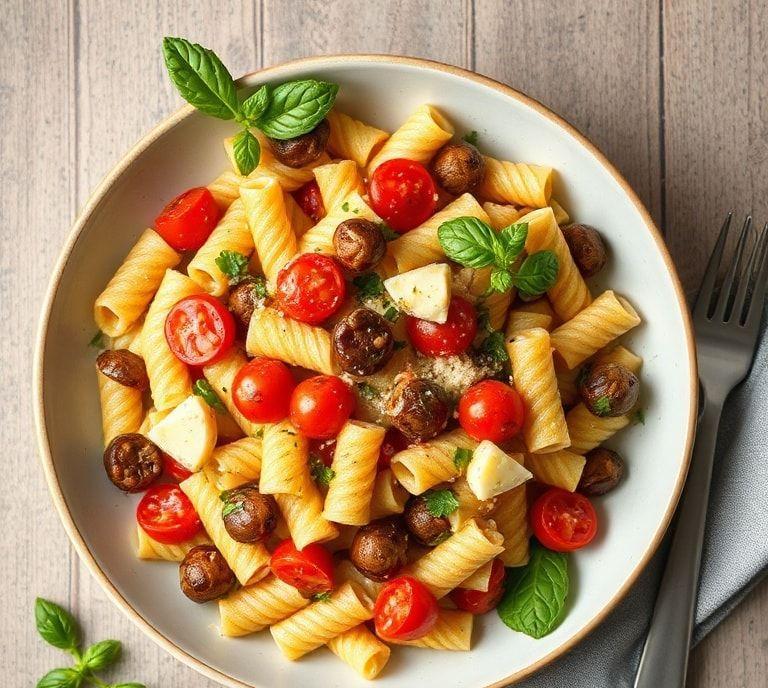
Let’s talk about what makes this pasta salad stand out from the rest. There’s the base of perfectly cooked pasta, of course, but it’s the burst of fresh vegetables, tangy dressing, and the little surprises of herbs and cheese that make each bite so enjoyable. What’s also great is how easy it is to make-a simple dish that brings joy to both the cook and the eater. It’s like assembling your favorite ingredients and letting them do all the heavy lifting.
This recipe is also really forgiving. Don’t have a certain veggie on hand? No worries. Have a different dressing in mind? Go for it. The beauty of a pasta salad is that it welcomes personal tweaks.
Ingredients Needed
- Pasta: 2 cups (any short pasta works, like penne, rotini, or farfalle-anything that holds up well when tossed)
- Cherry tomatoes: 1 cup, halved
- Cucumber: 1 medium, diced
- Red bell pepper: 1, diced
- Red onion: 1/2 small, thinly sliced
- Fresh parsley: 1/4 cup, chopped
- Feta cheese: 1/2 cup, crumbled (optional for a creamy element)
- Black olives: 1/2 cup, pitted and sliced
- Extra virgin olive oil: 1/4 cup
- Red wine vinegar: 2 tbsp
- Dijon mustard: 1 tsp (adds a little zing)
- Garlic: 1 clove, minced
- Salt and pepper: To taste
- Dried oregano: 1 tsp (a little sprinkle for that herbaceous kick)
This is a basic structure for a vibrant pasta salad. However, I always recommend playing around with what you’ve got. You can swap the feta for goat cheese, add roasted veggies if you want to go the extra mile, or even toss in a handful of nuts or seeds for crunch.
Cooking Instructions
- Cook the pasta: Bring a large pot of salted water to a boil. Add the pasta and cook according to the package instructions, typically around 8-10 minutes for most short pasta types. You want the pasta to be al dente-firm to the bite but not hard. Once it’s done, drain and rinse with cold water to stop the cooking process. This helps the pasta maintain its texture and keeps it from becoming mushy when mixed with the dressing.
- Prepare the veggies: While the pasta is cooking, slice up your veggies. Halve the cherry tomatoes, dice the cucumber, and chop the bell pepper. The red onion can be a little tricky if you don’t want it to overpower the dish, so thin slices are key here. You want a slight bite, but not something that’s going to overwhelm the fresh, light feel of the salad.
- Make the dressing: In a small bowl, whisk together the olive oil, red wine vinegar, Dijon mustard, minced garlic, salt, pepper, and dried oregano. Taste it before adding more salt or pepper-dressing is one of those things that really depends on personal preference, so this is your chance to adjust it to your liking.
- Assemble the salad: In a large bowl, toss together the cooked pasta, veggies, and feta (if using). Drizzle the dressing over everything and toss gently to combine. Don’t overdo it with the tossing; you want everything coated but still recognizable-there’s no need for the pasta to get lost under the dressing.
- Chill: Let the salad sit in the fridge for at least 30 minutes before serving. This allows the flavors to meld together. But, if you’re in a rush, it’s perfectly fine to eat right away; just know it will taste even better after the flavors have had time to soak in.
Ingredient Science Spotlight
Now, let’s take a moment to appreciate the little magic that happens with each ingredient in this salad. I’ve always been fascinated by how simple elements can come together and create something greater than the sum of their parts.
For example, pasta: It’s more than just a filler. The starch released when pasta is cooked helps it absorb the dressing better, which is why it tastes so good after it’s had a chance to sit and marinate. The cucumber brings a fresh, watery crunch, balancing out the rich olive oil. The tomatoes give a burst of sweetness and acidity, while the red onion (in moderation) adds a slight sharpness that cuts through the richness of the cheese and oil. The olives give an unexpected briny flavor, and the feta? Well, that’s just creamy, tangy goodness that binds everything together.
The dressing is where the magic really happens. The acidity of the red wine vinegar and the slight heat from the Dijon mustard create a perfect contrast to the rich olive oil. That balance between fat and acid is the key to making the salad feel complete.
Expert Tips
- Don’t skip the chill time: As tempting as it might be to dig into the salad right after mixing it, letting it sit for at least 30 minutes in the fridge helps the flavors develop and marry together. Trust me, this one’s worth the wait.
- Fresh herbs are your friends: While dried oregano is fine, fresh parsley (or basil, if you prefer) can elevate the salad to another level. Fresh herbs brighten up the whole dish and add a punch of color.
- Season in layers: Instead of adding all the salt and pepper at once, try seasoning as you go. Taste after adding the pasta, then again after adding the veggies. This ensures each layer is perfectly seasoned, and you won’t end up with an under-salted pasta or overly salty veggies.
- Don’t overcook the pasta: Overcooked pasta can ruin the texture of your salad. Keep it al dente, and it’ll hold up better in the salad and mix well with the veggies.
- Play with textures: To add a little extra crunch, you can toast some nuts or seeds (like sunflower or pine nuts) and sprinkle them over the salad before serving. It’s a small touch that makes a big difference in the eating experience.
Recipe Variations
- Mediterranean: Swap out the feta for some crumbled goat cheese, add kalamata olives instead of regular black olives, and toss in some sun-dried tomatoes and a few artichoke hearts.
- Pesto twist: Use a pesto dressing instead of the simple vinaigrette. It brings a whole new level of depth, and the basil and Parmesan flavors tie everything together beautifully.
- Roasted vegetables: If you’re feeling fancy, try roasting the veggies (like the bell pepper, zucchini, or even sweet potato) before adding them to the salad. The caramelized flavors will add complexity and warmth to the dish.
- Protein-packed: Add a handful of chickpeas or cannellini beans for a boost of protein and fiber. This will make the salad even more filling for a main-course meal.
Final Words
This pasta salad is the kind of dish that can be tweaked to suit any taste or dietary preference. It’s flexible, it’s easy to make, and it can serve a crowd or become your go-to lunch throughout the week. Whether you’re making it for a picnic or to have something light and refreshing in the fridge for a few days, it’s a winner.
Sometimes, simplicity is the key to great cooking. You don’t need to overthink it or complicate the process. Just good ingredients, a little bit of seasoning, and some time to let the flavors shine.
FAQs
What Ingredients Are Typically Used In A Pasta Salad Vegetarian Recipe?
A typical pasta salad vegetarian recipe includes pasta (such as rotini, penne, or bowtie), fresh vegetables (like tomatoes, cucumbers, bell peppers, and onions), olives, cheese (such as feta or mozzarella), and a dressing, often made from olive oil, vinegar, herbs, and seasonings. You can also add beans, chickpeas, or roasted vegetables for extra protein and flavor.
Can I Make A Pasta Salad Vegetarian Recipe Ahead Of Time?
Yes, pasta salad vegetarian recipes can be made ahead of time. In fact, they often taste better after sitting for a few hours or overnight, as the flavors have time to meld together. To store, keep the salad in an airtight container in the refrigerator. If you’re using a dressing, it’s best to add it just before serving to prevent the pasta from becoming soggy.
How Can I Customize A Pasta Salad Vegetarian Recipe For Different Dietary Preferences?
You can customize a pasta salad vegetarian recipe in several ways to accommodate different dietary preferences. For a gluten-free option, use gluten-free pasta. If you’re avoiding dairy, substitute cheese with vegan cheese or nutritional yeast. For a lower-carb option, replace pasta with spiralized vegetables or quinoa. You can also adjust the dressing to be dairy-free, oil-free, or add ingredients like tahini or avocado for creaminess.