Cooking is often about more than just preparing food; it’s a chance to connect with your environment, your memories, and your emotions. When I think of comforting, hearty meals that blend simplicity with deep flavors, one dish always stands out: pilaf. It’s one of those meals that effortlessly straddles the line between everyday comfort food and something a little more special, especially when you go the vegetarian route.
I have so many fond memories of making pilaf during the early days of cooking. I remember the first time I got it right: the rice was perfectly tender, the vegetables caramelized just enough to bring out their sweetness, and the spices gave it that warming depth that only comes from slow, careful cooking. Pilaf can be such a blank canvas-it’s easy to customize with the vegetables and seasonings you love, or just whatever you have on hand. But the best part is that you can always expect a bowl of something delicious.
This vegetarian pilaf recipe is simple, satisfying, and healthy. Plus, it’s one of those dishes that feels like a complete meal without being overwhelming. No need for complex steps or obscure ingredients-just real, wholesome flavors you can enjoy again and again.
Pilaf Vegetarian Recipe
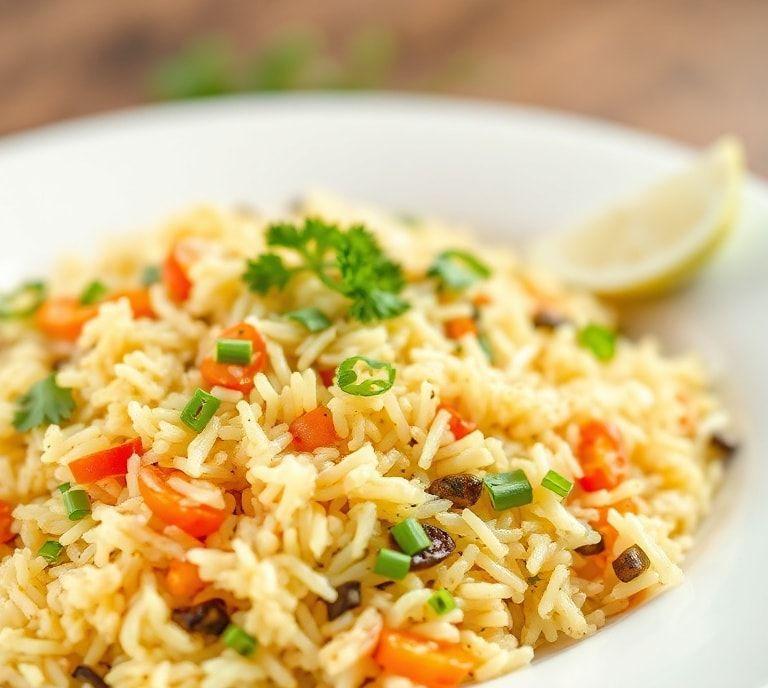
Here’s my take on a comforting vegetarian pilaf. It’s packed with vegetables, seasoned just right, and of course, that perfect rice base. The beauty of this recipe lies in its versatility-switch up the vegetables based on the seasons, or add a handful of nuts or dried fruit for some extra texture and sweetness.
Ingredients Needed
- 1 cup long-grain white rice (or basmati for a fragrant touch)
- 2 tablespoons olive oil
- 1 large onion, diced
- 1 medium carrot, peeled and diced
- 1 zucchini, diced
- 1 red bell pepper, diced
- 1/2 cup peas (frozen or fresh)
- 2 garlic cloves, minced
- 1 teaspoon ground cumin
- 1 teaspoon ground coriander
- 1/2 teaspoon turmeric (optional, for color and warmth)
- Salt and black pepper, to taste
- 2 cups vegetable broth (or water, if you’re in a pinch)
- Fresh herbs (parsley or cilantro), chopped, for garnish
- A handful of toasted slivered almonds or pine nuts (optional, for a crunchy topping)
Cooking Instructions
- Prepare the Rice: Start by rinsing the rice under cold water until the water runs clear. This helps remove excess starch, preventing the rice from becoming too sticky. Set it aside.
- Cook the Vegetables: Heat the olive oil in a large saucepan over medium heat. Add the onion and cook, stirring occasionally, for about 5 minutes, until softened. Add the diced carrots, zucchini, and bell pepper. Let them sauté for another 5 minutes until they start to soften and develop a little color. I love the way the vegetables look as they caramelize in the pan-they get so vibrant and sweet.
- Season the Veggies: Stir in the garlic and cook for another minute until fragrant. Then, add the cumin, coriander, turmeric, salt, and pepper. The aroma of these spices should be pretty inviting by now-they fill your kitchen in the best way.
- Simmer the Rice: Add the rice to the pan, tossing it with the vegetables and spices to coat it. Pour in the vegetable broth, bring everything to a boil, then lower the heat to a simmer. Cover the pan with a lid, and let it cook for 15-20 minutes, or until the rice is tender and the liquid has been absorbed.
- Finishing Touches: Remove from heat and let the pilaf sit, covered, for about 5 minutes. This gives the rice a chance to firm up and absorb any remaining liquid. Fluff the rice gently with a fork, and stir in the peas, letting the residual heat warm them through. Garnish with fresh herbs and toasted nuts, if you like.
Ingredient Science Spotlight
Rice, the base of any pilaf, has its own fascinating history and purpose. It’s not just a filler in the recipe-it’s the star. The long grains of rice, especially basmati or jasmine, work best for pilaf because they cook up fluffy and separate, which is exactly the texture you want in a pilaf. The way rice absorbs liquid is also key-it’s like a blank canvas soaking in the flavors of the vegetables and spices, transforming into something greater than the sum of its parts.
Then there’s the magic of turmeric. It’s not just a color enhancer; this golden root has been used for centuries not just for flavor, but for its health benefits too. Curcumin, the active compound in turmeric, is known for its anti-inflammatory properties, which makes this dish as healing as it is tasty. The cumin and coriander are there to bring in warmth and earthiness, while garlic and onion tie everything together with that savory backbone we all crave.
Expert Tips
- Choose the right rice: For the best pilaf texture, you want rice that stays separate when cooked, so go for long-grain varieties like basmati or jasmine. If you like a bit more fragrance, basmati is a great pick.
- Season well: Pilaf’s magic lies in how the spices work with the rice. Don’t be shy with your cumin, coriander, and turmeric. If you’re in the mood for something more exotic, throw in a cinnamon stick or a few cardamom pods while cooking the rice to add another layer of complexity.
- Veggie options: This recipe is super flexible. You can swap out the zucchini for eggplant, add in some mushrooms for earthiness, or even throw in roasted sweet potatoes for a touch of sweetness. Pilaf is your canvas-go ahead and get creative.
- Texture matters: If you like a bit of crunch, consider adding toasted nuts like almonds or pistachios at the end. They not only add texture but also a delightful roasted flavor that elevates the dish.
Recipe Variations
Pilaf with Nuts and Dried Fruit: Add a handful of raisins or dried apricots toward the end of the cooking time for a sweet contrast to the savory vegetables. Top with a generous handful of toasted almonds or pine nuts.
Spicy Pilaf: If you like a little heat, try adding a diced chili pepper or a pinch of red pepper flakes. You can also use smoked paprika for a deeper, smoky flavor that pairs beautifully with cumin and coriander.
Lemon Pilaf: For a fresh, zesty twist, squeeze the juice of half a lemon over the finished pilaf and stir it in. The citrus brightens up the whole dish and adds a refreshing contrast to the richness of the rice and spices.
Final Words
This pilaf is the kind of recipe you’ll want to keep in your back pocket-it’s simple, adaptable, and always a crowd-pleaser. It’s the kind of dish that can be both a quick weeknight dinner and a side for something fancier. You could even make a big batch of it and have leftovers for lunch. What I love most about it, though, is that it’s nourishing without being heavy. It’s a celebration of vegetables and spices, creating a dish that’s satisfying without ever feeling like too much.
FAQs
What Ingredients Are Typically Used In A Vegetarian Pilaf?
A vegetarian pilaf generally includes long-grain rice such as basmati, a variety of vegetables like carrots, peas, bell peppers, and onions, and flavoring agents such as garlic, ginger, and fresh herbs. Common spices include cumin, turmeric, coriander, and sometimes cinnamon or cardamom for a richer aroma. Vegetable broth or water is used to cook the rice, and optional additions may include nuts like almonds or cashews and dried fruits such as raisins or apricots for texture and sweetness.
How Can I Make A Vegetarian Pilaf More Flavorful Without Using Meat?
To enhance the flavor of a vegetarian pilaf without meat, you can toast the rice briefly in oil or butter before adding liquids, which brings out a nutty aroma. Use vegetable broth instead of water for a richer taste, and incorporate aromatic spices and herbs such as saffron, bay leaves, thyme, or parsley. Sautéing vegetables until slightly caramelized also intensifies their natural sweetness. Finally, finishing the dish with a squeeze of lemon juice or a sprinkle of toasted nuts adds a layer of complexity and depth.
Can Vegetarian Pilaf Be Made In Advance And Reheated?
Yes, vegetarian pilaf can be prepared in advance and reheated with good results. To prevent the rice from becoming mushy, slightly undercook it initially. Store the cooked pilaf in an airtight container in the refrigerator for up to 3-4 days. When reheating, add a small amount of water or vegetable broth and cover the dish to steam the rice evenly. Gently fluff the pilaf with a fork after reheating to restore its texture, and optionally add a drizzle of olive oil or a few fresh herbs to refresh the flavor.